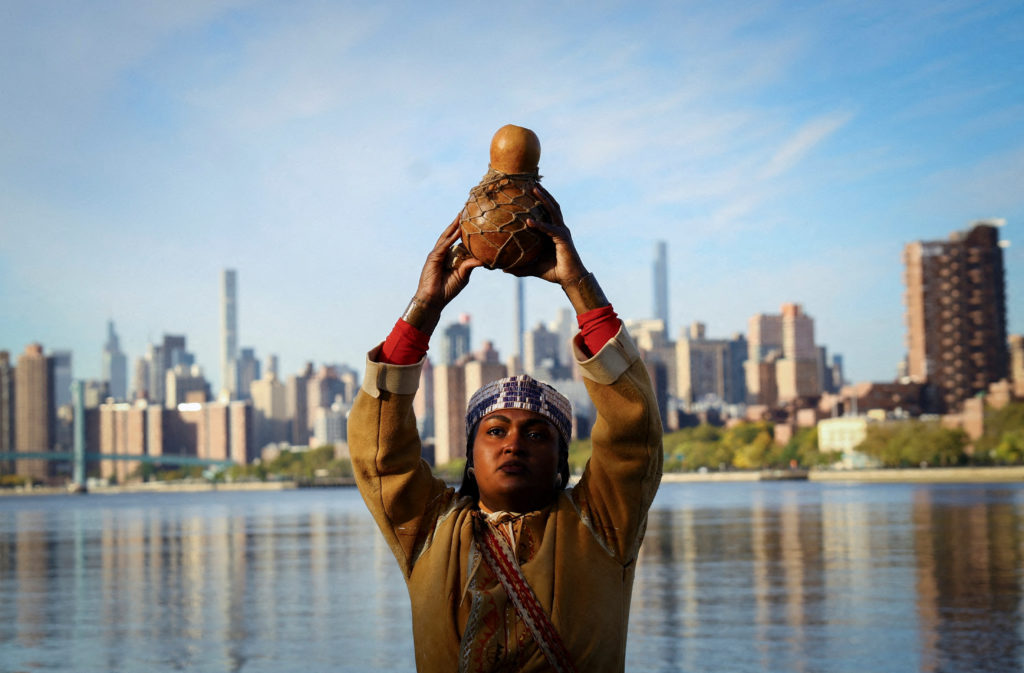
On Monday, October 12, 2026, observers across the United States marked Indigenous Peoples' Day with ceremonies, dances, and speeches. The day, which falls on the second Monday of October, is recognized by dozens of states and cities to celebrate Native American history and culture.
The observance serves as an alternative or addition to Columbus Day, a federal holiday established in 1937 to commemorate Christopher Columbus’ 1492 arrival in the Americas. While former President Joe Biden officially recognized Indigenous Peoples' Day in 2021, President Donald Trump signed a 2025 proclamation focusing the holiday on Columbus. Trump's proclamation stated that Columbus has been the target of a "merciless campaign" to erase history and heritage.
Indigenous Peoples' Day is currently not a federal holiday, though a formal effort to designate it as one continues in Congress. Supporters, such as California Congresswoman Norma Torres (D-CA), state that federal designation would be an important step in recognizing historical injustices. Conversely, the 2025 presidential proclamation from the White House praised Columbus' legacy of "faith, courage, perseverance, and virtue" and criticized the removal of monuments dedicated to the explorer.
This ongoing shift in holiday recognition affects the official calendars and public observances of over a dozen states—including Alabama, Alaska, California, New Mexico, and Oklahoma—as well as major cities like New York, Los Angeles, and Chicago. For residents in these areas, the local designation determines whether schools, government offices, and school systems recognize the second Monday in October as Columbus Day, Indigenous Peoples' Day, or both.
The day is often used to advocate for environmental justice, the return of Indigenous lands, and to honor missing and murdered Indigenous women. For students, the holiday shift often translates to a change in classroom instruction; scholars like Shannon Speed note that many university students enter higher education with little knowledge of the history of the estimated 10 million people living in the Americas before 1492.
While the federal government has not made Indigenous Peoples' Day a permanent federal holiday, the matter remains a point of legislative interest in Congress. Future observances will continue to be determined by individual state legislatures and city councils. President Trump's 2025 proclamation sets the executive branch stance in favor of Columbus Day, though advocates for Indigenous recognition continue to hold annual events to highlight what they describe as a more honest representation of American values.