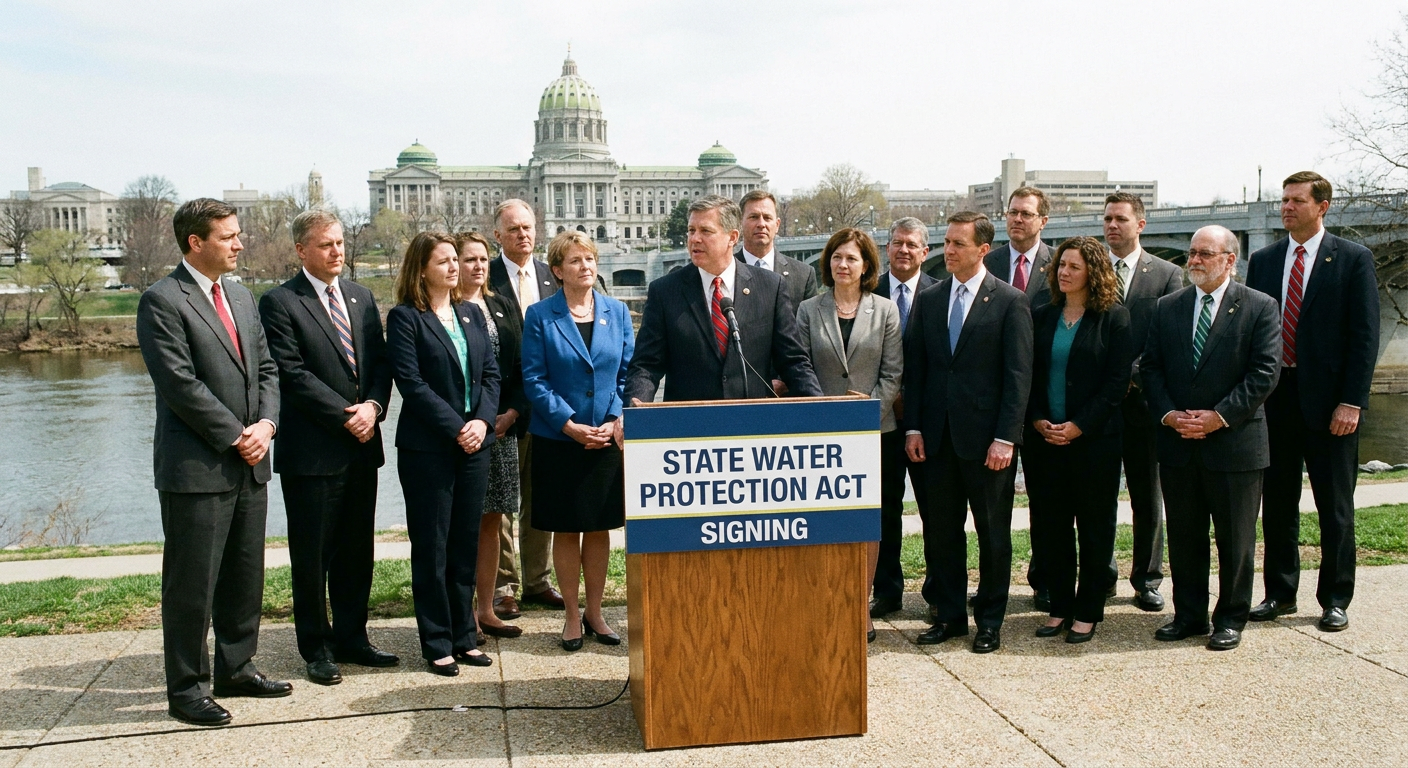
Several U.S. states have enacted or proposed local water quality laws to maintain environmental standards following recent federal changes. These state-level actions are a response to a 2023 U.S. Supreme Court ruling and subsequent moves by the Trump administration to reduce federal oversight of wetlands and other water bodies.
The shift in regulatory authority follows the 2023 Supreme Court decision in Sackett v. EPA, which narrowed the definition of "waters of the United States." This ruling effectively removed federal Clean Water Act protections for millions of acres of wetlands that do not have a continuous surface connection to larger bodies of water. Following this decision, the Trump administration has taken steps to further weaken remaining federal environmental rules.
In response to the reduction in federal jurisdiction, some states are moving to fill the regulatory gap. These states are passing laws that establish independent permitting processes and protection standards for wetlands and streams within their borders. According to the report, these local measures are intended to ensure that development and industrial activity do not degrade water quality in areas no longer covered by the federal government.
The scale of this impact is vast, as wetlands provide natural flood control and water filtration for millions of households. Without federal oversight, the burden of monitoring water pollution and managing flood risks falls to state agencies, which may lack the funding or staff of the Environmental Protection Agency (EPA). Residents in states that do not enact their own protections may notice changes in local water quality or increased flooding risks over the next several years as development proceeds in formerly protected areas. Conversely, in states that have implemented their own rules, the cost of compliance will be borne by local industries and developers through state-level permit applications and environmental assessments.
This movement sets a precedent for a fractured regulatory landscape where environmental rights and business obligations vary significantly by state line. The knock-on effects could influence future housing prices, agricultural costs, and the long-term health of regional watersheds that cross state boundaries. While the Supreme Court issued its ruling in 2023 and the Trump administration is currently moving to implement new rules, the specific effective dates for various state-level responses continue to emerge as legislatures meet. The final extent of these state protections will depend on upcoming legislative sessions and potential further court challenges to state authority.