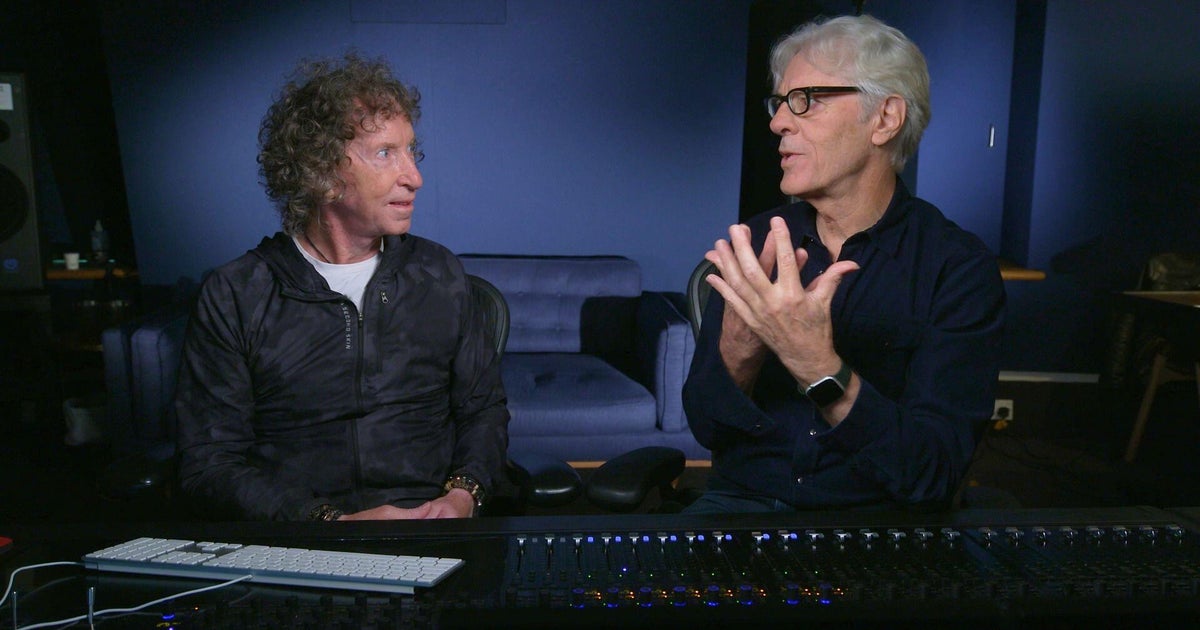
Musician Stewart Copeland and naturalist Martyn Stewart have collaborated on a new album titled "Wild Concerto," which integrates orchestral compositions with field recordings of wildlife. The project utilizes audio from Stewart’s archive of approximately 100,000 recordings collected over several decades, including sounds from hyenas, howler monkeys, and various bird species. Copeland, a former drummer for the band The Police, wrote the musical arrangements to complement the specific vocalizations and rhythms of the animals.
The collaboration began after Stewart was diagnosed with cancer, prompting his family to seek ways to preserve and share his life's work. The audio archive serves as a record of biodiversity, containing sounds from species that are currently endangered or extinct in the wild, such as the golden Panamanian frog and the northern white rhino. The production took place at Abbey Road Studios, where Copeland selected approximately 30,000 hours of recordings to determine which animal sounds would lead the orchestral pieces.
During the recording process, musicians wore headsets playing the animal sounds to ensure the orchestral instruments remained in sync with the natural vocalizations. Copeland noted that the raw sounds of the animals, such as the howling of arctic wolves, dictated the choice of instruments, including the use of a trombone to match the wolves' tones. Stewart described the audio archive as a "barometer" for planetary health, stating that changes in animal sounds over 20 years indicate significant shifts in the environment.
The concrete day-to-day impact for the general public is primarily educational and cultural. Listeners will hear the vocalizations of extinct-in-the-wild species, such as the northern white rhino, providing a permanent auditory record of animals that no longer exist in their natural habitats. Stewart expressed hope that by presenting these sounds in a musical format, the project could influence public perception of mass extinction and environmental preservation. The album also represents a shift in how "found sound"—a technique Copeland previously used in the 1983 film "Rumble Fish"—is applied to classical music and conservation efforts.
The project sets a precedent for how private archives of environmental data can be commercialized or popularized to fund preservation or awareness campaigns. As Stewart noted, his archive has become a repository for species that have disappeared during his 60-year career. The next steps for the project involve the ongoing release and promotion of the album to draw attention to the recorded species. While the source notes the story was updated following its initial April 19, 2026, broadcast, specific distribution deadlines or future live performance dates were not reported.