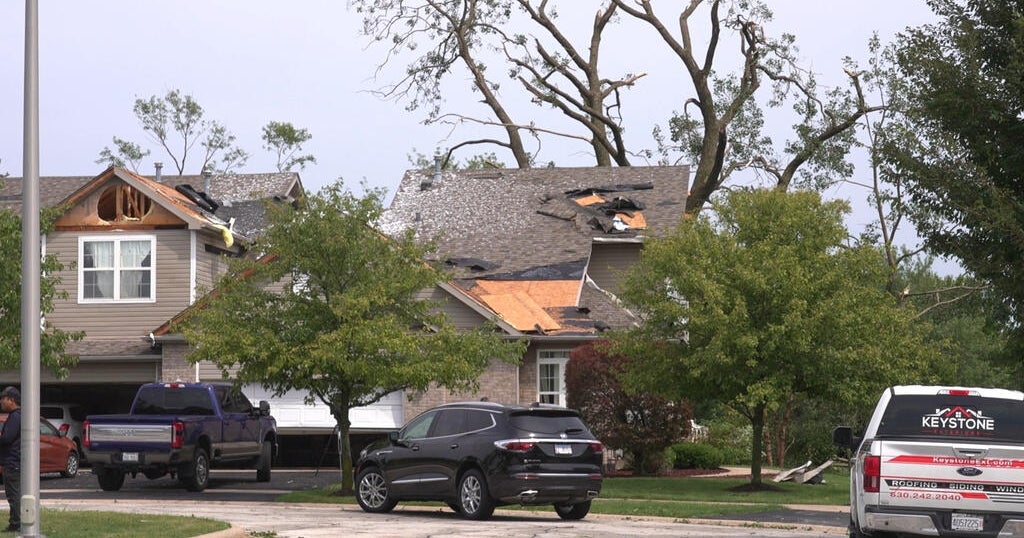
Severe thunderstorms and high winds caused power outages for nearly 1 million customers across Illinois, Indiana, Ohio, and Kentucky on Tuesday. The National Weather Service reported that the region was affected by a "ring of fire" weather pattern, which occurs when high atmospheric pressure triggers moisture and storms along its edges.
The storms resulted in at least two deaths and significant property damage throughout the Midwest. In Portage, Indiana, a home explosion during the storm killed one person, though officials said it was not immediately clear if the weather caused the blast. In Roseville, Ohio, Governor Mike DeWine reported that a resident died during a health emergency when floodwaters prevented first responders from reaching the location.
Transportation and public events were also disrupted. Chicago O'Hare International Airport saw 45% of its flights delayed and 10% canceled on Tuesday, while all flights were temporarily grounded at both of Chicago's major airports. In Indiana, organizers canceled the fifth day of the Lake County Fair. Residents in suburbs like Flossmoor and Tinley Park, Illinois, reported downed power lines, fallen trees, and structural damage to homes.
The storms also impacted regional infrastructure and emergency services. In Ohio, the closure of public buildings like the Westerville library due to flooding and the early dismissal of government workers in Columbus disrupted local administrative functions. The death in Roseville highlights how severe weather can delay medical response times by blocking road access for first responders. These disruptions extend to the travel sector, where thousands of passengers at Chicago's airports faced delays and cancellations that required a backlog to be cleared before normal operations could resume.
Meteorologists and state officials stated that the effects of the weather system would continue beyond the initial storm day. Governor DeWine noted that flood hazards would persist, and forecasters indicated that multiple rounds of rain were expected to cause flood risks in the Ohio Valley through Friday. While utility companies worked to restore power, some residents reported being unable to travel due to road closures caused by fallen trees and debris. The weather service maintained warnings of continued dangerous conditions as the moisture-heavy system moved through the region.