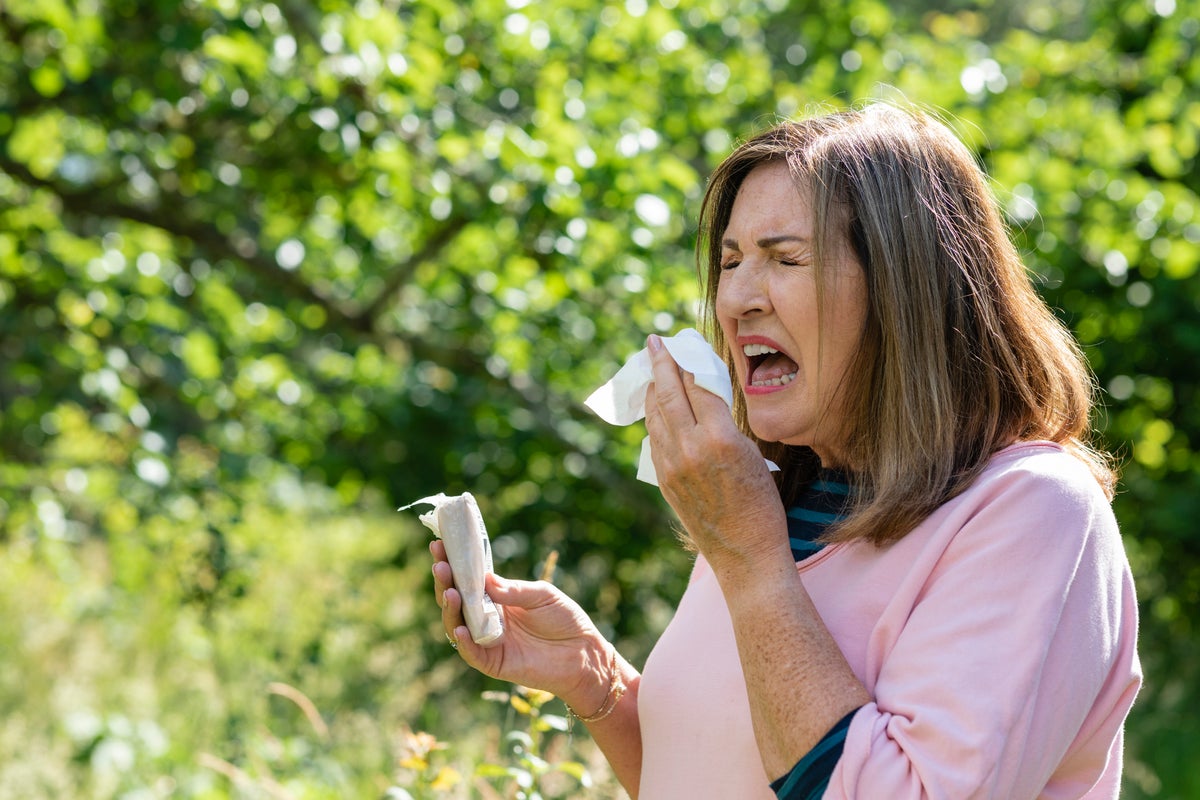
Researchers at the Mass General Brigham Health Care System have identified a mechanism in nerve cells that may explain the development and intensification of seasonal allergies. According to a study published by October 19, 2026, sensory nerve cells that process pain and itching appear to form a "memory" of allergens such as pollen and mold. This memory allows these cells to generate stronger reactions during subsequent exposures, even after the initial allergen is no longer present.
The research conducted in mice involved testing allergens like dust mites and a papaya-derived compound. Scientists found that exposure activated a specific cellular process that sensitized the mice to other allergens with similar activity but different molecular structures. Senior author Dr. Caroline Sokol stated that this finding provides a potential explanation for why individuals who develop a sensitivity to one allergen often become susceptible to others.
The study comes as environmental factors are reportedly extending allergy seasons in the United States. Data from the non-profit Climate Central indicates that nearly 180 U.S. cities now experience their first freeze an average of 12 days later than in the early 1970s. Additionally, forecasters noted that the current "super El Niño" climate pattern has brought increased moisture to the Southeast and southern Rockies, which contributes to higher pollen levels.
For the average household, this discovery shifts the understanding of allergies from a strictly immune-system response to one involving the nervous system. A person with seasonal allergies might notice that their reactions become more severe or frequent even when pollen counts remain stable, a phenomenon the study attributes to these "remembering" nerve cells. The research also suggests that because the first freeze—which typically ends the fall allergy season—is occurring nearly two weeks later than it did 50 years ago, individuals are facing longer periods of exposure to these triggers.
The identification of this cellular memory sets a precedent for developing new medical interventions that focus on the nervous system rather than just the immune system. Dr. Sokol noted that this allergic memory appears to fade over time, which has led the research team to investigate methods for "resetting" the memory to reduce overall allergy risk. While a specific date for human clinical trials or new treatments was not reported, the team is currently investigating how to deliberately clear these cellular records.