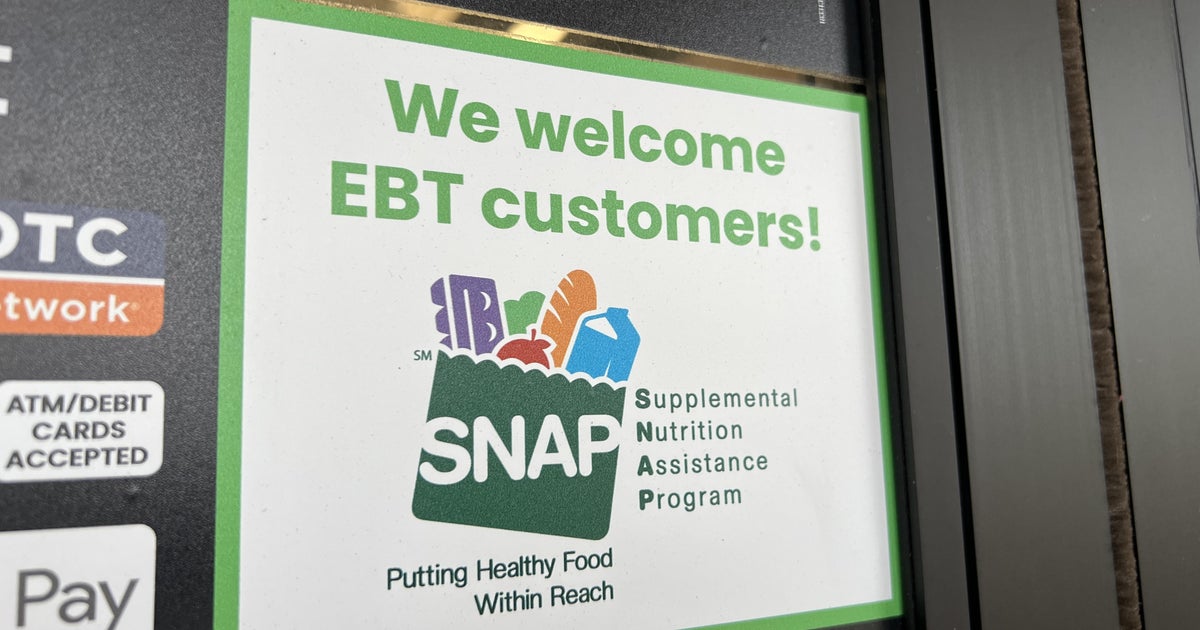
A new study from economic and public health experts at the University of Chicago, MIT, and Stanford University found that state-level restrictions on food stamps reduced sugary drink purchases by more than 12%. The research tracked the impact of Trump administration policies that allow states to limit which items are eligible for purchase under the Supplemental Nutrition Assistance Program (SNAP).
The policy shift began in March when Health and Human Services Secretary Robert F. Kennedy Jr. announced an end to federal subsidies for soda through SNAP. Following this, the Agriculture Department (USDA) began issuing waivers in May to allow states to redefine eligible foods. As of the study's release, 23 states had received waivers, with eight implementing bans and ten more in the process of doing so. A judge's ruling in June blocked implementation in five other states.
Researchers tracked the purchasing habits of 15,000 SNAP-enrolled households using market data. The study found that between January and June of 2026, sugary drink purchases fell by 12.4% in states with restrictions, a figure comparable to a 13% decrease found in a separate study by the University of Iowa and University of Georgia. Stanford economist Hunt Allcott noted that the reduction was larger than most researchers had predicted. However, the study also found that when restrictions only targeted specific drinks, some recipients substituted them with other items like energy drinks.
However, the restrictions also introduce a concrete change in the social experience of shopping for food. A July survey included in the study found that SNAP recipients in states with bans reported a heightened sense of stigmatization and "feeling judged" while using their benefits. Nutrition science experts and anti-hunger groups, such as the Food Research & Action Center, state that this increased stigma can create administrative barriers that discourage eligible people from applying for food assistance. They argue that if people avoid the program due to shame, the resulting hunger could pose a separate threat to public health that offsets the gains from reduced sugar intake.
The long-term health outcomes and financial savings remain projections rather than established facts, as critics note the data is based on a subset of households over a six-month period. Whether the 12.4% reduction in soda purchases will be sustained over several years is not yet known. Currently, 10 states are still in the process of implementing these restrictions, and the legal status of bans in five states remains subject to court rulings following the June injunction. No specific deadlines for further nationwide expansion were reported.