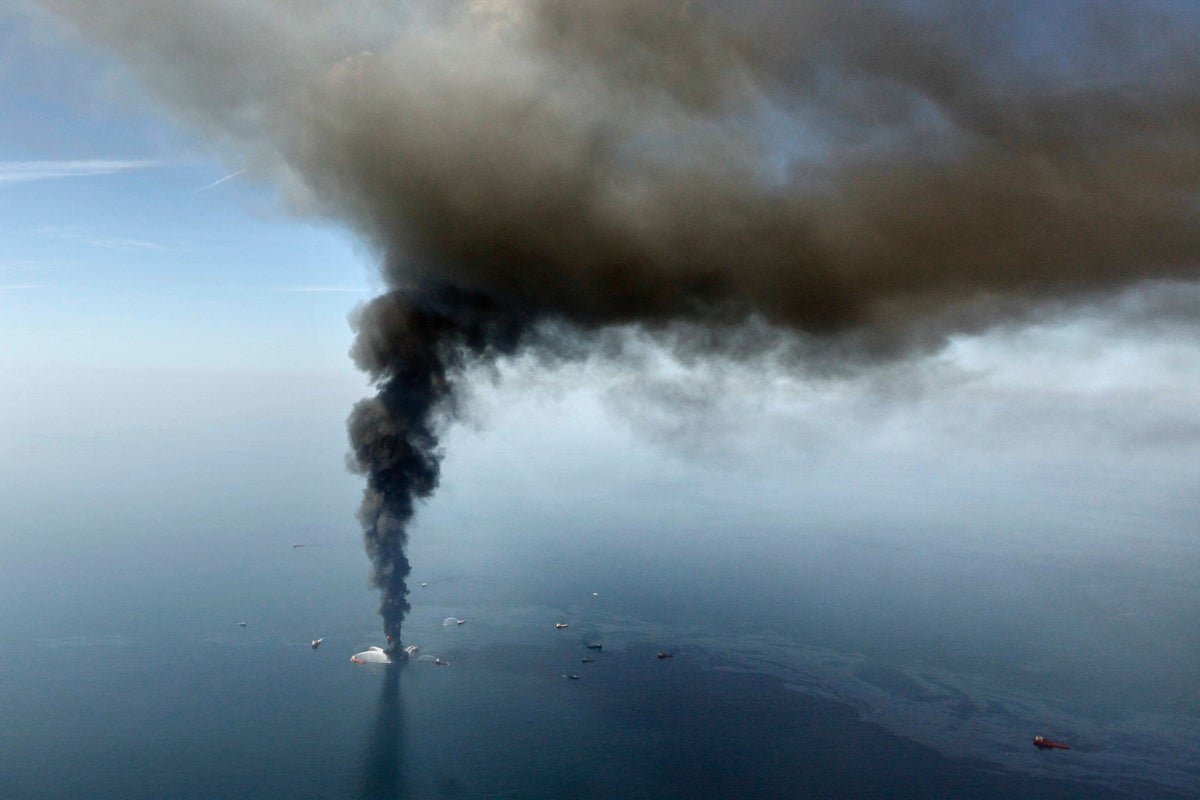
A new study published in the journal PNAS on Monday, October 19, 2026, reports that marine populations in the deep waters of the Gulf of Mexico declined by approximately 60 percent following the 2010 Deepwater Horizon oil spill. Researchers found that fish, crustaceans, and cephalopods in the ocean's "twilight zone" experienced significant population drops between 2011 and 2015, with little evidence of recovery in the years since.
The study, led by biological oceanographer Tracey Sutton of Nova Southeastern University, focused on the ecosystem above the seabed where 134 million gallons of oil were released from a BP-operated well. Because the area had not been evaluated prior to the 2010 disaster, researchers used a 2011 post-spill survey as a baseline. When they returned to the same location three and a half years later using identical equipment, they found marine life had fallen to between one-third and one-quarter of 2011 levels.
According to the data, fish numbers fell by 63.5 percent, crustaceans like shrimp and krill declined by 62 percent, and squid and octopuses dropped by 59.7 percent. Sutton stated that while a direct causal link cannot be definitively proven, researchers ruled out natural variables such as temperature, oxygen supply, and food, concluding the oil spill was the most likely cause. BP spokesperson Paul Takahashi said the accident "forever changed" the company and that changes have been implemented to prevent a recurrence.
The research indicates that both crude oil and chemical dispersants contributed to the decline. Chemical oceanographer Isabel Romero noted that dispersants broke the oil into tiny droplets, which increased exposure for organisms deeper in the water column. Scientists documented reduced genetic diversity from inbreeding and noted that pollutants absorbed by surviving animals were passed to their eggs, affecting subsequent generations.
The scale of the impact involves a 134-million-gallon spill that resulted in population drops of up to 63.5 percent for fish and nearly 60 percent for larger mollusks. Marine scientist Kaitlin Frasier, who was not involved in the study, noted that these findings align with other research showing dolphin and whale population drops of up to 83 percent in the Gulf. This suggests that the interconnected nature of the ocean means impacts at the deep-water level are reflected in the upper layers where these predators feed.
The study establishes a precedent for how deep-water industrial accidents are monitored and may influence future policy regarding deep-sea mining and expanded deep-water oil drilling. Environmental microbiologist Rita Colwell suggested that future cleanup efforts should prioritize agents that promote oil-degrading microbes over chemical dispersants. While the primary data collection for this study concluded in 2015, ongoing sampling through 2023 continues to show suppressed populations, and the findings will likely inform international debates on the risks of deep-ocean resource extraction. No specific future court dates or legislative votes were reported.