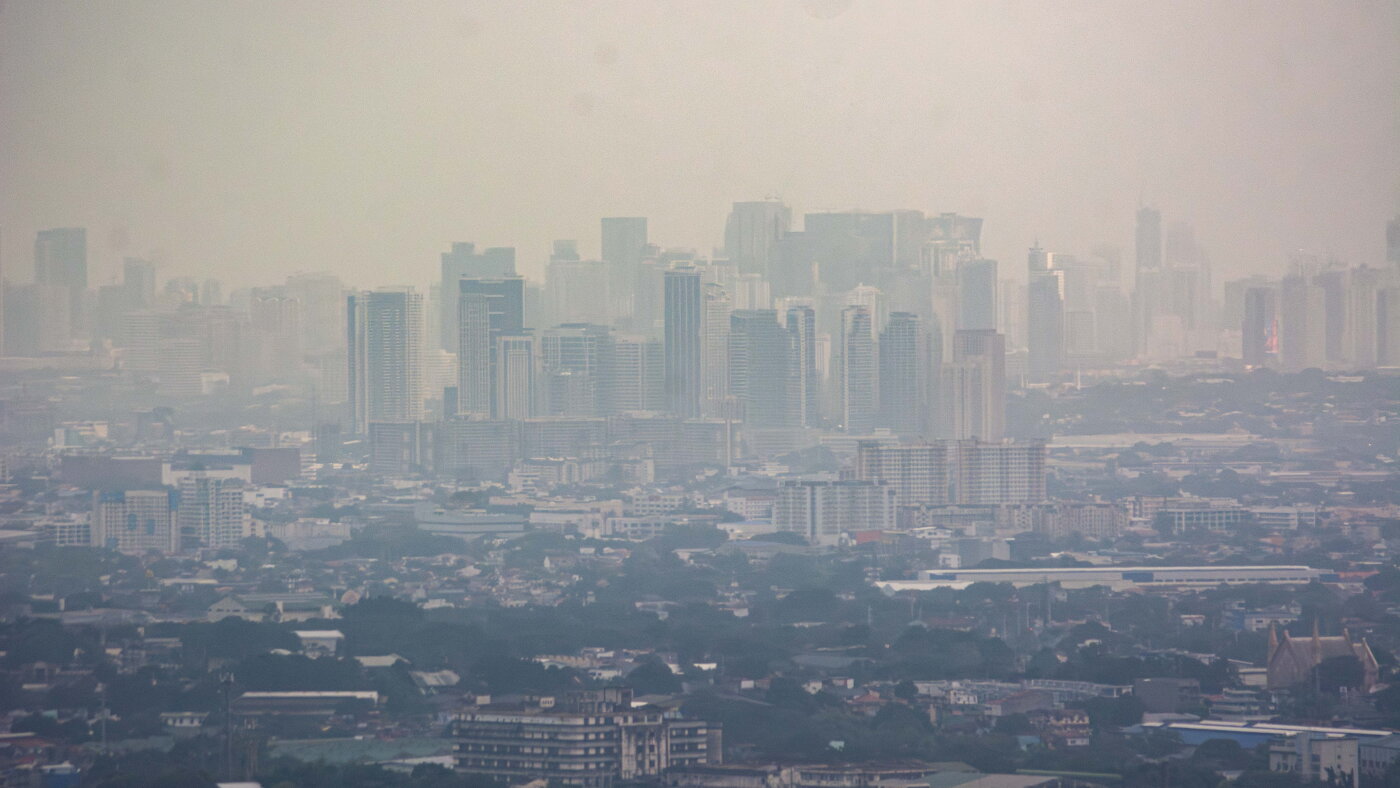
A study published Monday in the journal PNAS reports that air pollution levels rose in dozens of cities after the Trump administration ended an air quality monitoring program at U.S. embassies. Researchers found that satellite-measured pollution levels increased by an average of 24% to 33% in the months following the program's closure, which researchers estimate translates to a 4% increase in ground-level PM2.5. The State Department did not respond to requests for comment in time for publication.
The monitoring initiative began in 2008 at the U.S. embassy in Beijing and eventually expanded to more than 80 embassies and consulates worldwide. The program provided public data on PM2.5, which are small particles that can enter the lungs and bloodstream. In March 2025, the Trump administration ended the program, citing monetary costs.
Researchers from Columbia University and the University of Michigan used satellite data to compare air quality across 46 cities before and after the surveillance stopped. The study found that while pollution trends were stable for 300 days prior to the shutdown, levels began to rise approximately three to four months after reporting ended. The increase was most pronounced in Southeast Asian cities such as Manila, Rangoon, and Vientiane, particularly in areas with few alternative monitoring systems.
The data suggests that public monitoring serves as an accountability mechanism for local industries and governments. Without the embassy data, researchers like Eric Zou and Zoe Yiyuan Zhou suggest that companies may have reduced spending on pollution controls, leading to higher levels of hazardous particles in the air. While individual health impacts vary, environmental economists note that particulate matter exposure is linked to long-term health issues. The study noted that pollution levels slightly decreased after an initial peak, which researchers suspect may be due to local governments or individuals starting their own monitoring efforts to fill the gap left by the U.S. withdrawal.
The findings suggest that the removal of international environmental surveillance can lead to immediate changes in local industrial behavior and air quality. The study's authors emphasize that access to public information is a necessary component for maintaining air quality gains. Moving forward, the continued monitoring of these 46 cities will determine if local alternatives can successfully replace the former U.S. program or if pollution levels will remain higher than they were prior to March 2025.