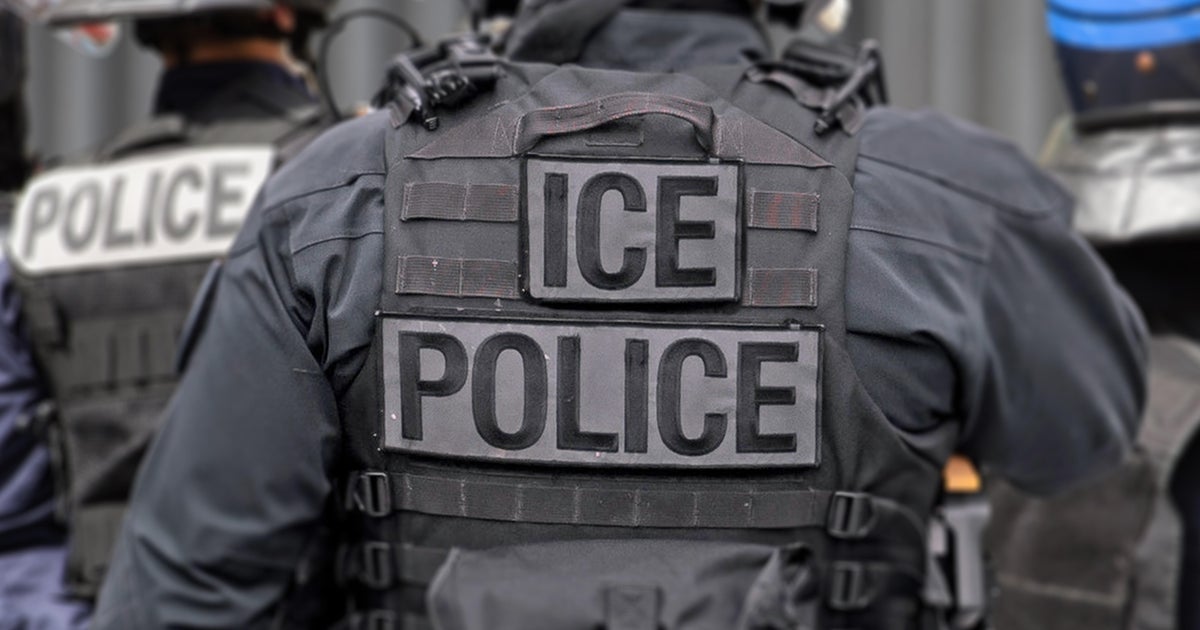
A report from the Brookings Institution found that employment levels declined in U.S. cities where U.S. Immigration and Customs Enforcement (ICE) arrests increased most rapidly in 2025. The study indicated that in targeted metropolitan areas, employment fell 0.4% below expected trajectories both immediately following surges in detentions and for up to one year afterward. Researchers stated that each arrest in these areas was associated with an average of four lost jobs across the local economy.
The findings follow a period of increased immigration enforcement during the second Trump administration. In July 2025, ICE detentions reached a monthly record for the administration, with more than 46,000 individuals taken into custody for alleged immigration violations, including illegal entry and visa overstays. The administration also deployed thousands of federal agents to Minneapolis-St. Paul in January 2025 to investigate alleged fraud, an operation that resulted in protests and the deaths of two U.S. citizens by federal officers.
White House spokeswoman Lauren Bis dismissed the study's findings, stating that previous surges in illegal immigration under the Biden administration had threatened fiscal health, contributed to inflation, and suppressed wages. She stated that the administration is committed to enforcing immigration laws while creating jobs for American workers. Conversely, Marcela Escobari, the report's lead author, told CBS News that the enforcement surges created fear that caused workers to withdraw from the labor force and reduced consumer spending, impacting both immigrants and U.S. citizens.
The Brookings report identified three primary drivers for the job losses: workers failing to report for duty due to fear of ICE encounters, businesses experiencing labor disruptions that led to closures or hiring freezes, and a decline in local consumer demand. Escobari cited the construction sector as an example, noting that if an immigrant-led framing crew stops working, related projects stall, potentially leading to job losses for equipment operators and managers who are U.S. citizens. Other research from the Wharton School and the UCLA Latino Policy and Politics Institute also reported drops in economic activity and customer visits following enforcement operations.
For a typical household or small business, this would be noticed through changes in local services and business operations. A workplace might reduce hours, freeze new hiring, or close entirely if labor disruptions caused by enforcement actions occur. Consumers in affected areas might notice fewer people at local stores and restaurants; the UCLA Latino Policy and Politics Institute found that customer visits in Los Angeles County fell by as much as 11% in the weeks following enforcement operations in the region. These effects affected workplaces and stores across various industries.
The knock-on effects include reduced tax revenue for local governments and a potential precedent for how immigration enforcement influences domestic labor policy. The Wharton School study noted that these economic declines did not lead to a shift toward online shopping, suggesting a net loss in economic activity for the affected communities. What happens next depends on future administration policy and the continuation of enforcement surges. While the White House maintains that enforcement protects American workers and reduces strain on communities, researchers suggest the effects of the enforcement approach do not dissipate over time.