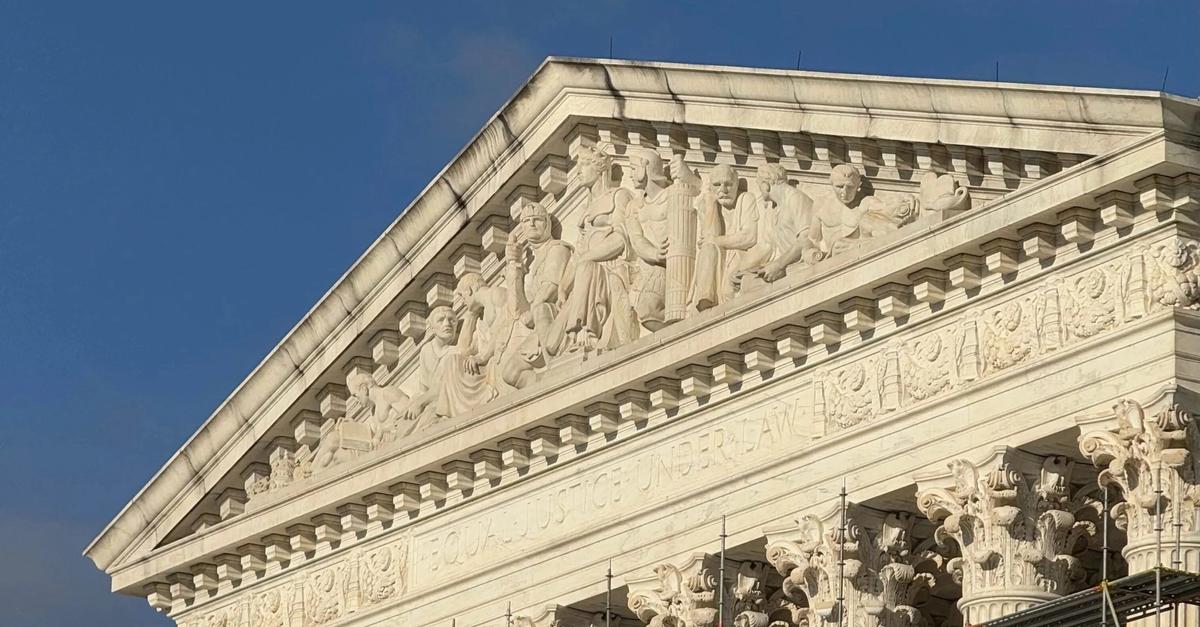
A new study has documented significant shifts in the conduct of U.S. Supreme Court oral arguments between October 2005 and April 2026. The research, as reported by The New York Times, indicates that the average duration of arguments has increased from one hour to approximately 90 minutes since the COVID-19 pandemic, during which the court transitioned to telephone-based sessions.
The study highlighted changes in the participation levels of individual justices during the 2025-26 term. Justice Ketanji Brown Jackson was identified as the most talkative member of the court, averaging 1,263 words per case, which is more than double the average for the other justices. In contrast, Justice Clarence Thomas remained the least talkative, accounting for 3% of the justices' total speaking time. Chief Justice John Roberts has also become more reserved, with the study noting he now speaks at a rate similar to Justice Thomas.
In other court activity, Justice Elena Kagan on Thursday denied a request by Apple Inc. to pause lower-court proceedings regarding App Store commission rates while the Supreme Court reviews a related appeal. Additionally, the court denied a stay of execution for Anthony Darrell Dugard Hines, who was executed in Tennessee on Thursday. On the legislative front, House Minority Leader Hakeem Jeffries (D-NY) stated at the National Association of Black Journalists convention that Democrats are considering several options for Supreme Court reform, including term limits.
The shift in court dynamics is occurring alongside significant policy and administrative changes that affect specific groups across the country. The State Department’s new task force targeting "birth tourism" has already revoked the visas of more than 600 individuals, a move that follows the Supreme Court’s June 30 decision striking down an executive order on birthright citizenship. In Alaska, the state is pursuing felony voter misconduct charges against U.S. nationals from American Samoa, despite a recent Supreme Court ruling in Trump v. Barbara which the defense argues grants citizenship to those born in U.S. territories.
What happens next depends on several upcoming deadlines and pending decisions. The Supreme Court is scheduled to release its second summer order list on Monday at 9:30 a.m. EDT. The court is also being urged by the Trump administration to issue a prompt decision on an emergency application regarding a mail-in voting executive order, a request currently opposed by 23 states and the District of Columbia. Furthermore, the House Minority Leader has indicated that the potential for court reform, including term limits and changes to election spending rules, will remain a focus for Democratic candidates leading into future elections.