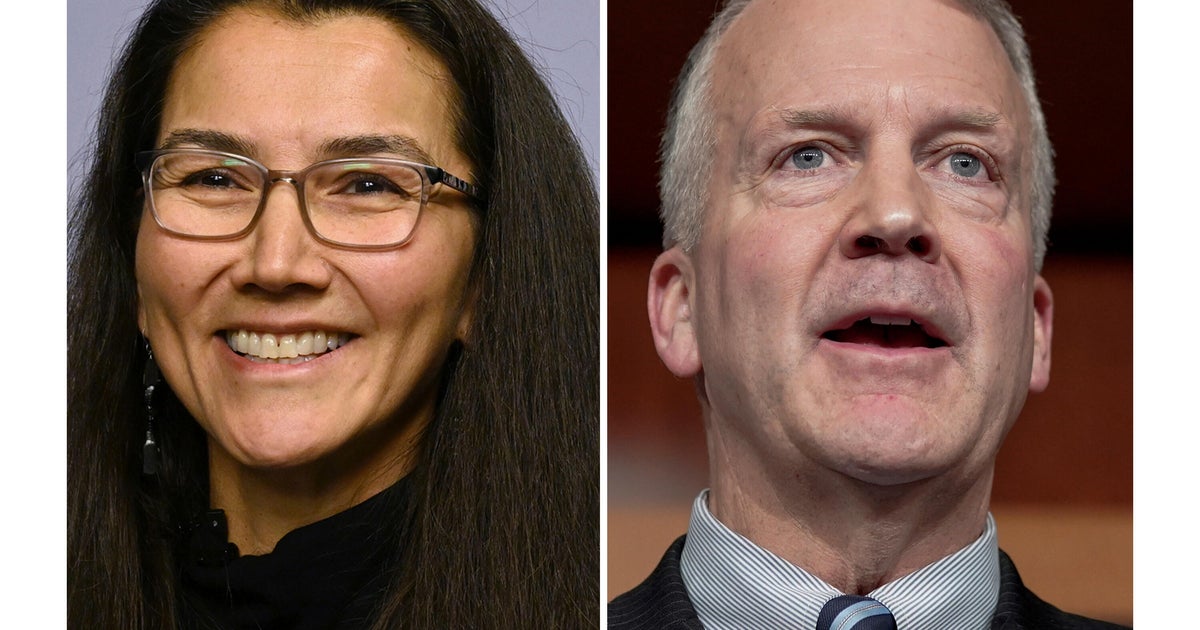
Incumbent Sen. Dan Sullivan (R-AK) and former Rep. Mary Peltola (D-AK) have advanced to the general election in Alaska’s U.S. Senate race. According to CBS News projections, both candidates secured spots in the top four during the state's nonpartisan primary. The identities of the other two candidates who will advance have not yet been determined.
Alaska utilizes a primary system where the four candidates receiving the most votes, regardless of party affiliation, move on to the November ballot. Sullivan, a second-term senator and Marine veteran, is seeking to maintain Republican control of a seat the party has held since 2008. Peltola, who in 2022 became the first Alaska Native elected to Congress, is attempting to flip the seat as Democrats seek to gain seats in the chamber.
Financial investment in the race has already begun from national organizations. The Senate Leadership Fund, a Republican-aligned group, announced $17 million in advertising spending to support Sullivan. On the Democratic side, the Senate Majority PAC has reserved more than $12 million in television advertising to support Peltola.
Campaign dynamics have seen Peltola distancing herself from national figures. Her campaign recently rejected fundraising support from former Vice President Kamala Harris’ PAC. Peltola, who lost her House reelection bid in 2024 by less than three percentage points while the Republican presidential candidate won the state by 13 points, has characterized herself as an independent voice for Alaskans.
The scale of spending in this race is significant for a state with a relatively small population. The combined $29 million currently committed by the Senate Leadership Fund and Senate Majority PAC represents a high per-voter expenditure compared to many other states. Voters will see a constant stream of television and digital advertisements throughout the fall, funded by these national groups attempting to influence the balance of power in Washington.
For Democrats to take control of the Senate, they must win four seats while defending their existing incumbents. Because the 2026 map offers few pickup opportunities for the party, the Alaska race has become a priority. The next steps in this process include the final certification of primary results to identify the remaining two candidates, followed by the general election in November. The winner will be seated when the new Congress convenes in January.