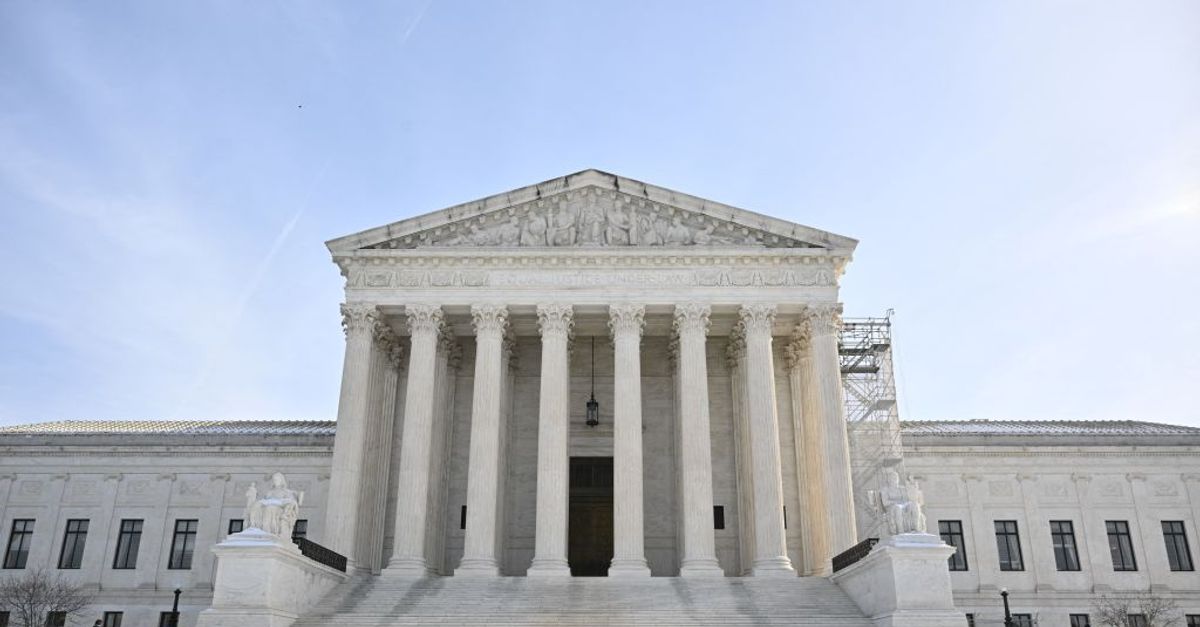
The U.S. Supreme Court has appointed two former law clerks to serve as amici curiae, or "friends of the court," for upcoming oral arguments in October and November 2026. Anthony Dick and Brian Barnes were selected to defend lower court rulings that the federal government or other parties declined to support in the cases of Beaird v. United States and Maxwell v. Dinis.
These appointments follow a long-standing but informal tradition where the "circuit justice"—the Supreme Court justice responsible for administrative matters in a specific geographic region—invites an attorney to argue a position otherwise unrepresented in a case. Both Dick and Barnes previously clerked for Justice Samuel Alito, who serves as the circuit justice for the U.S. Court of Appeals for the 5th Circuit, where both cases originated.
Research into these appointments indicates they are often relationship-driven and lack official guidance. A 2016 study by law professor Katherine Shaw noted that invitations to serve as an amicus overwhelmingly go to former Supreme Court law clerks, particularly those who worked for the justice responsible for the circuit where the case began. According to a survey of 24 appointments made between 2016 and 2026, 79% were men and 83% were former clerks for justices appointed by Republican presidents.
The scale of these appointments shows a high degree of demographic and ideological concentration. Of the 24 appointments reported since 2016, 19 were men and 22 had previously clerked at the Supreme Court. Furthermore, 11 of these appointments came from just two circuits: the 5th and the 11th. In contrast, the 1st Circuit has had no amicus appointments during the same period. This concentration means that a very small group of legal professionals, largely drawn from a pool of approximately 36 law clerks hired annually, receives the specialized experience of arguing before the justices.
An ordinary person would notice this impact primarily through the legal theories presented in cases affecting federal sentencing and inmate rights. For example, in Beaird v. United States, the appointed lawyer will argue to maintain a sentence increase for a Texas man involving a firearm conviction, a position the federal government has abandoned. The knock-on effect of the current selection process is the reinforcement of a specialized Supreme Court bar, which some observers argue limits the democratization of high-court advocacy. The next scheduled steps occur on Oct. 13, 2026, when Anthony Dick will argue in the Beaird case, followed by Brian Barnes' argument in Maxwell v. Dinis less than three weeks later.