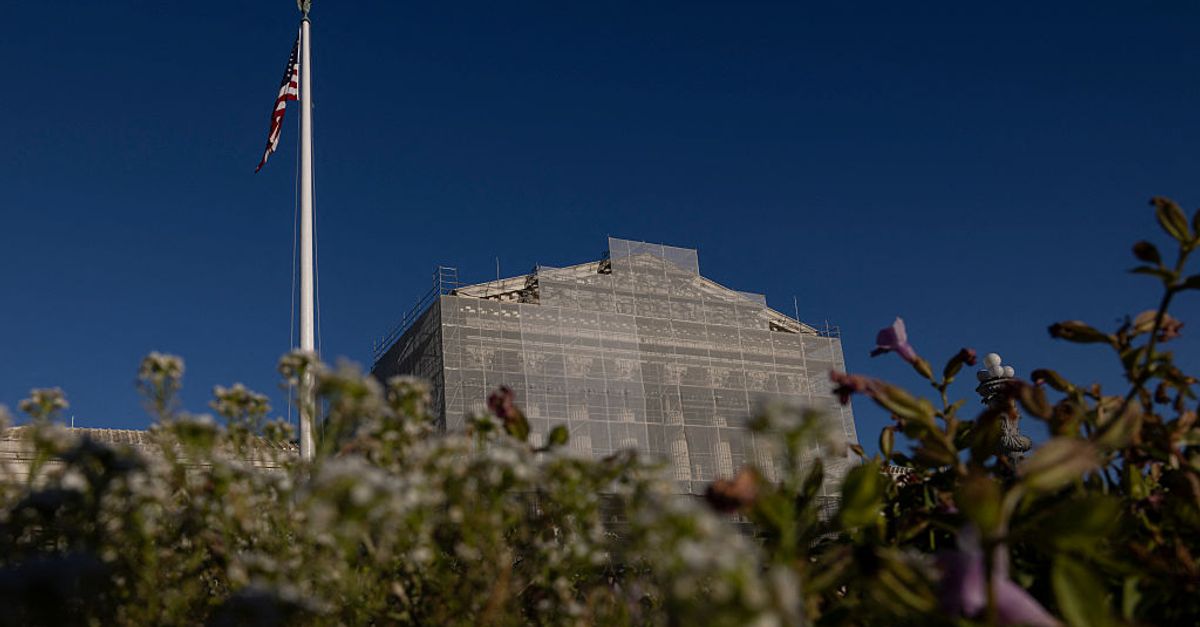
The U.S. Supreme Court has been asked to review a federal policy that mandates the detention of migrants arrested within the United States without the possibility of a bond hearing. Both the Department of Justice and attorneys for migrants filed petitions requesting that the justices resolve a split among federal appeals courts regarding whether Immigration and Customs Enforcement (ICE) can legally deny these individuals the chance to request release from an immigration judge.
The legal challenge centers on a policy shift that occurred in July 2025. For decades, immigration officials applied mandatory detention primarily to those encountered at or near the border, while those arrested in the interior of the country were generally permitted to seek release on bond. However, ICE issued new guidance in July 2025 stating it would detian every migrant found anywhere in the country who lacked permission to enter, without the option for a bond hearing. The Department of Justice’s Board of Immigration Appeals upheld this policy two months later.
Data from July 2026 shows that ICE's detention operations have expanded, holding a daily average of 65,634 people compared to approximately 40,000 in January 2025. According to the agency, nearly 59,000 of those held in July 2026 were arrested by ICE in the interior, while only 1 in 10 were arrested by Customs and Border Protection at the borders. The government argues that allowing bond requests for those without legal status is "perverse," while the ACLU, representing migrants, argues the policy is a "countertextual interpretation" of the Immigration and Nationality Act.
Seven federal appeals courts—the 1st, 2nd, 6th, 7th, 9th, 10th, and 11th Circuits—have ruled against the administration's policy, finding that migrants in the interior must be allowed to request bond. The 6th Circuit further ruled that the policy violates the Fifth Amendment’s due process clause. Conversely, the 5th and 8th Circuits have sided with the administration, ruling that federal law requires the mandatory detention of anyone present without admission, regardless of location or duration of stay.
On a per-household level, the policy change means the difference between a family member returning home while awaiting a court date or being held in a facility for months or years. Currently, approximately 90% of those in detention were arrested in the interior rather than at the border, meaning the vast majority of the current detainee population is directly impacted by this specific legal interpretation. The 6th Circuit's ruling highlighted that a lack of bond hearings poses "grave due-process concerns" regarding the basic legal rights of individuals within U.S. borders.
The Supreme Court's decision will establish a single nationwide rule for how the Immigration and Nationality Act is applied, ending the current situation where a migrant’s right to a bond hearing depends on which state they are arrested in. A ruling in favor of the government would solidify the executive branch's authority to implement aggressive enforcement tactics, while a ruling against would reinforce the role of immigration judges in reviewing detention cases. The court is expected to decide whether to add these cases to its calendar in the coming months, which would likely lead to arguments and a final decision by 2027.