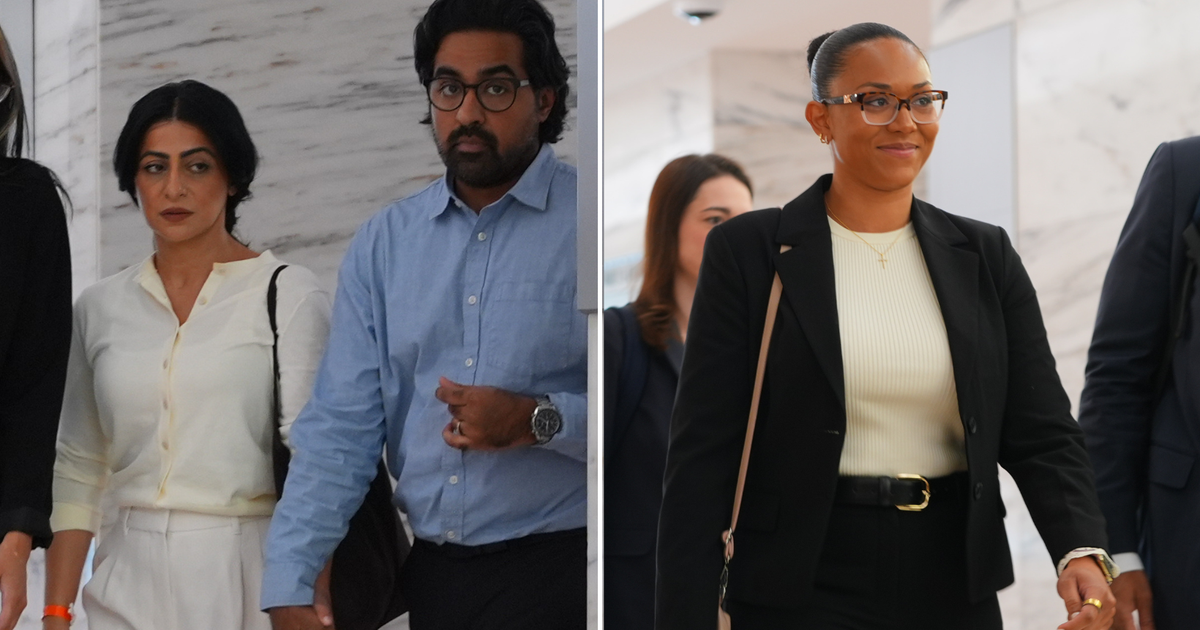
The U.S. Supreme Court declined on Tuesday, Sept. 22, 2026, to intervene in a custody dispute between a California couple and a surrogate who gave birth to a child with a serious heart defect. Justice Elena Kagan rejected an emergency appeal from the surrogate, McKenna West, who sought to halt a California court order naming the couple, Omar Ahmed and Nausheen Gilkar, as the child's legal parents. Kagan, who oversees emergency appeals for the region including California, did not provide a detailed legal reasoning for the denial.
The dispute originated from a surrogacy contract between the couple and West, which included a provision allowing the couple to request an abortion in the event of a fetal abnormality. In April, a 20-week scan revealed the baby had hypoplastic left heart syndrome (HLHS), a life-threatening condition where the heart cannot properly pump blood. Following the diagnosis, the couple requested an abortion. West, who lives in Alaska, refused and traveled to Texas, where she gave birth to the boy on Aug. 12.
Before the birth, a California court recognized Ahmed and Gilkar as the legal parents. West’s attorneys argued that under Texas law, West should be recognized as the mother because she gave birth in that state. They also claimed the couple intended to halt lifesaving care. In response, lawyers for Ahmed and Gilkar stated they have been present in the pediatric intensive care unit around the clock and are committed to directing the child's medical treatment. The child has already undergone a Norwood procedure, the first of three surgeries typically required for HLHS.
For the parties involved, the decision preserves a California court order, meaning the couple will continue to manage the child's pediatric intensive care and upcoming surgeries. Had the Supreme Court intervened, it would have introduced legal uncertainty regarding who possesses the right to consent to medical procedures for a critically ill newborn. The surrogate’s legal team argued that Texas law should take precedence because the birth occurred there, but the Supreme Court's refusal to stay the California order keeps parentage rights with the couple who entered the original surrogacy contract.
The case also highlights the legal complexities of interstate surrogacy and medical decision-making. While Texas Attorney General Ken Paxton briefly intervened to ensure the hospital provided care, he has since withdrawn. The child, whom West calls Gabriel and the couple calls Rumi, remains in critical condition and may require heart transplants or additional surgeries. With the Supreme Court appeal denied, the California parentage order remains in effect as the child continues treatment in a Dallas hospital.