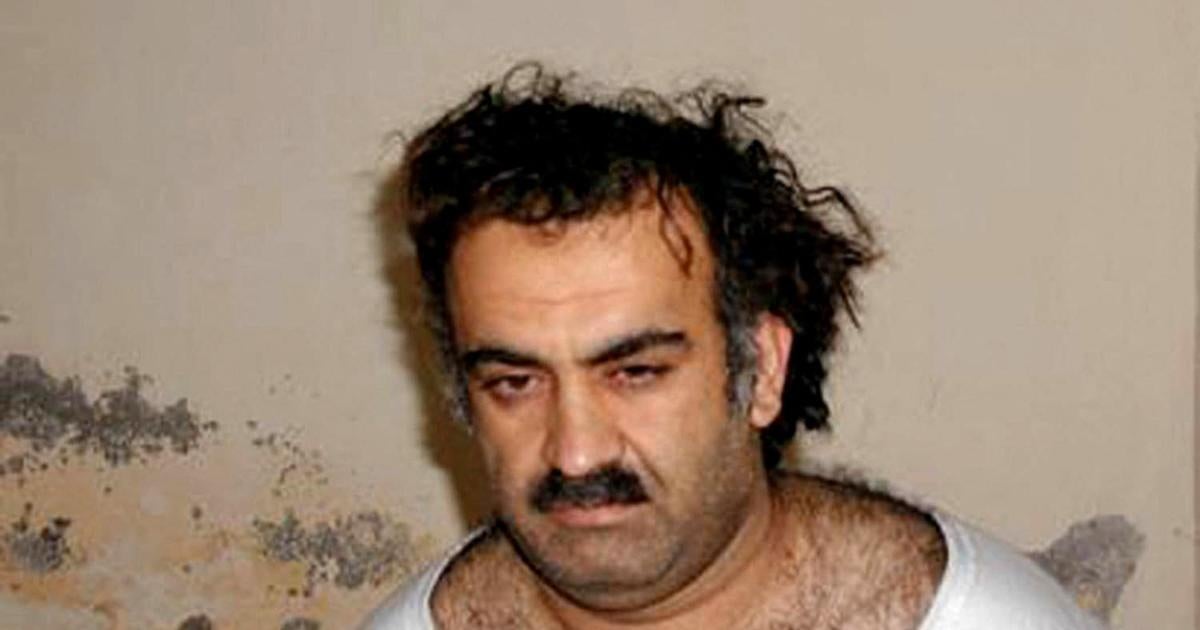
The Supreme Court on Monday declined to hear an appeal from Khalid Sheikh Mohammed and two other defendants seeking to reinstate plea agreements that would have removed the death penalty in the Sept. 11, 2001, attacks case. The unsigned order leaves in place a lower court ruling that permitted the Defense Secretary to revoke the deals.
Khalid Sheikh Mohammed, Mustafa al Hawsawi, and Walid bin 'Atash were captured in 2003 and charged before a military commission for their roles in the 2001 attacks. The cases have faced years of delays related to the use of evidence obtained during "enhanced interrogation techniques" while the defendants were held in secret CIA prisons. They were moved to the U.S. detention facility at Guantanamo Bay in 2006 and formally charged in 2008.
In 2024, the defendants reached pretrial agreements with military prosecutors, approved by retired Brigadier General Susan Escallier, the Convening Authority for military commissions. Under these terms, the three men would plead guilty to all charges in exchange for life sentences instead of the death penalty. Shortly after the announcement, Defense Secretary Lloyd Austin revoked the agreements, asserting his authority over the process.
While a military judge and a military appeals court initially found Austin's revocation unlawful, the U.S. Court of Appeals for the D.C. Circuit later ruled in favor of the government. That panel determined the Defense Secretary had the legal authority to withdraw from the deals. Justice Brett Kavanaugh did not participate in the Supreme Court's consideration of the matter.
The scale of the legal proceedings involves over 20 years of litigation and detention for the individuals captured in 2003. The process has involved multiple layers of the military and federal court systems, including the D.C. Circuit and the Supreme Court. The legal focus remains on the three specific defendants, though the outcome addresses the authority of the Secretary of Defense to intervene in pretrial agreements reached by military commission officials.
The effects concern the future of military commissions and the long-standing debate over evidence derived from CIA interrogations. By upholding the Secretary’s right to revoke the deals, the court ensures that the case proceeds toward a potential trial rather than a settled guilty plea. What happens next is a return to the military commission proceedings at Guantanamo Bay; however, the source does not specify new trial dates or deadlines for the next phase of the litigation following the Supreme Court's refusal to intervene.