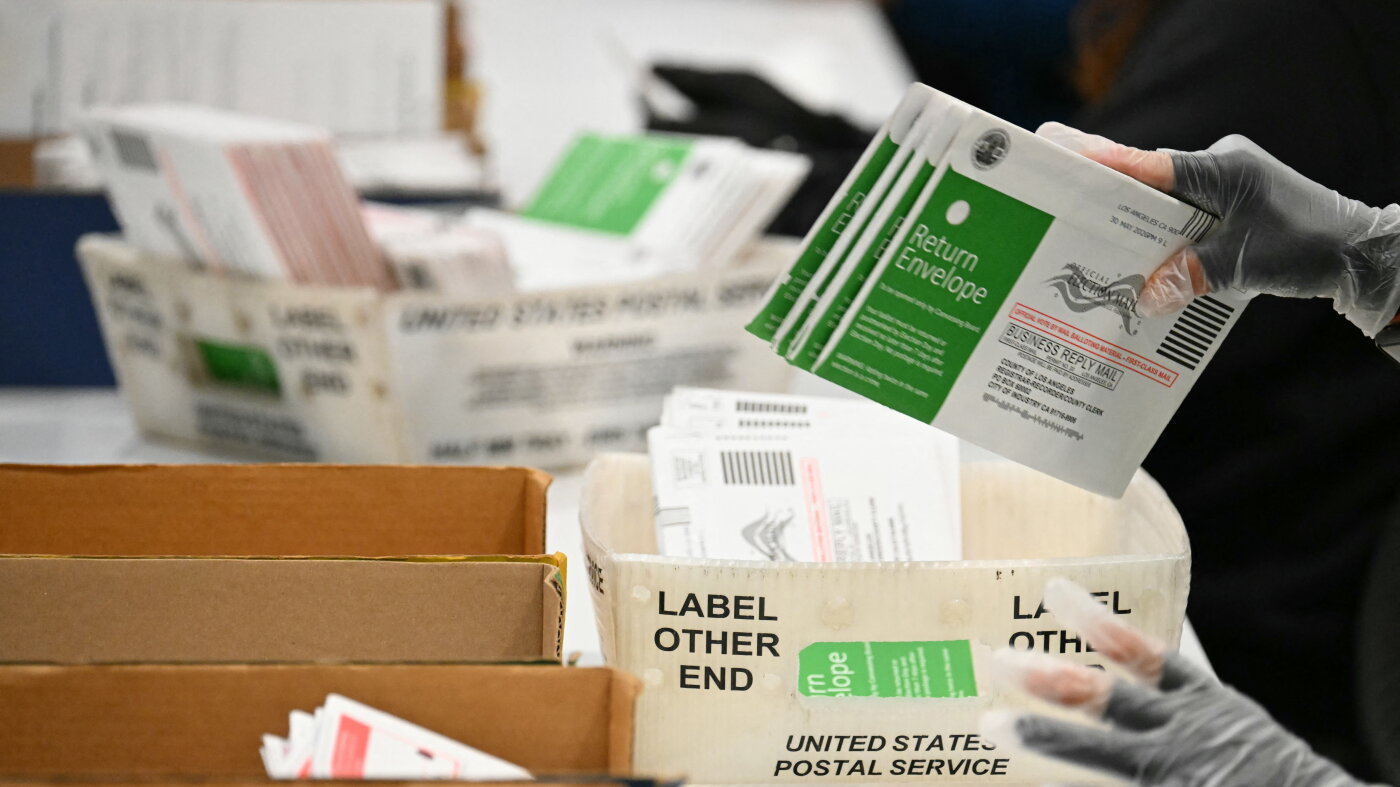
The U.S. Supreme Court on Monday, September 14, 2026, denied a request from the Trump administration to implement new U.S. Postal Service (USPS) requirements for mail-in ballots for the upcoming midterm elections. The ruling maintains lower court injunctions that prevented the agency from requiring states to provide voter lists and specific barcodes on ballot envelopes to ensure delivery.
The administration’s plan followed an executive order by President Trump intended to address illegal voting by non-citizens. However, a federal judge in Boston previously blocked the plan, ruling that the Postal Service lacks the authority to regulate mail-in voting. A second federal judge issued a similar injunction on Sunday, September 13, 2026, leading to the administration's emergency appeal to the high court.
In the Supreme Court's order, a majority of justices determined the administration was unlikely to succeed on the merits of its legal challenge. Justice Brett Kavanaugh, while suggesting the rules might eventually be found within USPS authority, wrote that implementing them now would be "arbitrary and capricious" under the Administrative Procedure Act because election officials lack time to adapt. Justices Samuel Alito and Clarence Thomas dissented, stating they would have granted the administration's request to pause the lower court's ruling.
The scale of the impact involves approximately one-third of the national electorate, based on participation trends from the last two federal elections. While the total number of affected voters for 2026 was not reported, data from the MIT Election Data and Science Lab shows that in 2024, 37% of Democrats and 24% of Republicans reported casting ballots by mail. In states like Hawaii, Oregon, and Washington, where elections are conducted primarily or entirely by mail, any change to delivery requirements would alter the mechanism by which residents participate.
For voters in states where mail-in voting has already begun—including Alabama, North Carolina, and Wisconsin—the ruling means their ballots will be processed without the new USPS requirements. The decision avoids effects that state officials warned could include errors or the failure to deliver ballots that did not meet the proposed standards. With the Supreme Court declining to intervene at this stage, the current mail-in voting rules will remain in place through the 2026 midterm cycle.