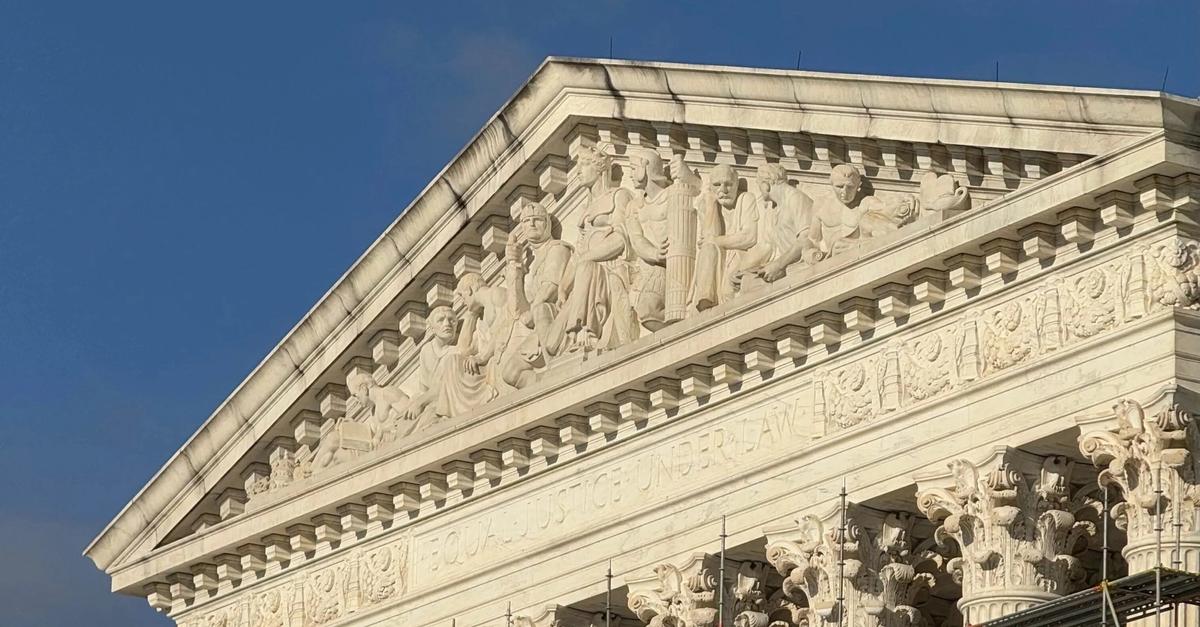
On Wednesday, Oct. 21, 2026, the U.S. Supreme Court denied a request from the Trump administration to implement a Federal Bureau of Prisons policy regarding transgender inmates. The policy would have prevented these inmates from receiving hormone therapy, gender-transition surgeries, and social accommodations. While the Court did not provide a majority explanation for the denial, Justices Clarence Thomas and Samuel Alito indicated they would have granted the administration's application.
Later that same day, the Trump administration filed a new application on the Court’s interim docket, also known as the shadow docket. The administration is asking the justices for permission to resume construction of the border wall in the Big Bend region of southwestern Texas.
Separately, three cities and an immigrant legal services group have petitioned the Supreme Court to pause an agreement between the Department of Justice and the state of Texas. The agreement currently blocks the enforcement of a rule from the Biden administration that allows immigration judges to pause certain deportation proceedings. Responses to this application are due to the Court by 4 p.m. EDT on Thursday, Oct. 22, 2026.
A person affected by these rulings would notice immediate changes in their legal rights or access to services. Transgender inmates will continue to have access to transition-related healthcare and accommodations while the underlying litigation proceeds. Residents in southwestern Texas would see the physical resumption or continued halt of wall construction, while immigrants in deportation proceedings would see whether judges have the authority to pause their cases. The Supreme Court's use of the interim docket allows for these changes to take effect before the cases receive full briefing or oral argument, which the Congressional Research Service notes can result in orders that serve as the last meaningful ruling in fast-moving disputes.
The use of the interim docket for these matters continues a trend that has drawn attention from policymakers. Decisions on this docket are often issued as summary orders without signed majority opinions or detailed legal reasoning, which some observers say makes it difficult to evaluate the Court's consistency. The next steps for the border wall and immigration cases involve the Court reviewing filed responses and deciding whether to issue stays or injunctions. Deadlines for responses in the immigration case were set for Oct. 22, 2026.