The Supreme Court of the United States ruled unanimously on June 5, 2025, that a lawsuit filed by the government of Mexico against American gun manufacturers is barred by federal law. The court held that Mexico failed to sufficiently allege that manufacturers like Smith & Wesson Brands, Inc. aided and abetted the illegal trafficking of firearms to drug cartels.
The case originated when the Mexican government sued several U.S. gun manufacturers in federal court, alleging that their business practices facilitated the flow of weapons to cartels, resulting in severe gun violence within Mexico. A district court initially dismissed the case based on the Protection of Lawful Commerce in Arms Act (PLCAA), which generally prohibits lawsuits against firearm manufacturers and sellers for crimes committed by third parties. The U.S. Court of Appeals for the First Circuit later reversed that decision, allowing the suit to proceed under a "predicate exception" for cases involving knowing violations of statutes applicable to gun sales.
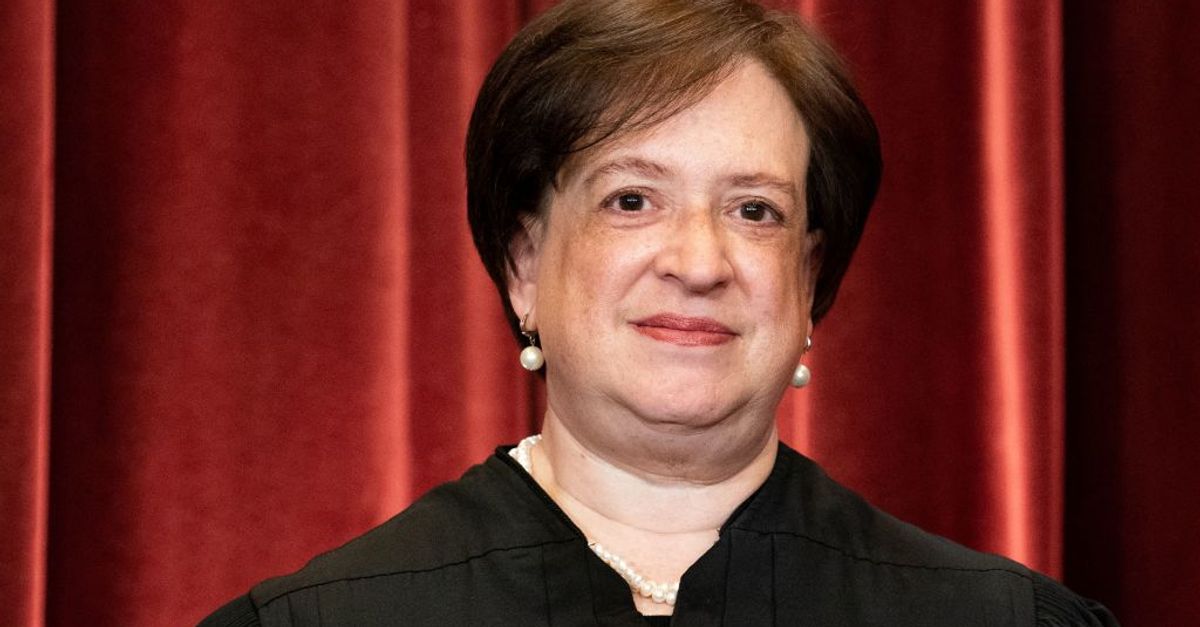
Writing for the 9-0 court, Justice Elena Kagan stated that Mexico’s complaint did not plausibly allege the manufacturers aided and abetted unlawful sales. The opinion clarified that while the PLCAA allows for exceptions, such as when a manufacturer violates a specific law like aiding and abetting a firearms offense, Mexico's arguments did not meet the legal standard required to bypass the statute's general bar on liability. The ruling reversed the First Circuit’s judgment, effectively ending Mexico's attempt to hold the manufacturers civilly liable for cartel violence in U.S. courts.
The scale of the impact involves the entire U.S. firearms manufacturing industry and the sovereign government of Mexico. While the source does not provide a specific dollar amount for the damages Mexico sought, the litigation challenged the business practices of several major manufacturers simultaneously. For the manufacturers, the 9-0 decision provides a definitive legal precedent that prevents foreign governments from using the "predicate exception" to sue over domestic production and sales practices unless they can provide specific, plausible evidence of aiding and abetting criminal activity.
For the general public, this ruling means that legal challenges against gun makers for downstream violence will remain difficult to pursue under current federal law. A person would not notice a direct change in their personal paycheck or taxes, but the ruling limits the legal avenues available for domestic or foreign entities to seek compensation for gun-related injuries through the court system. The case is now concluded following the Supreme Court’s reversal of the lower court’s judgment, setting a firm barrier against similar theories of liability in the future.