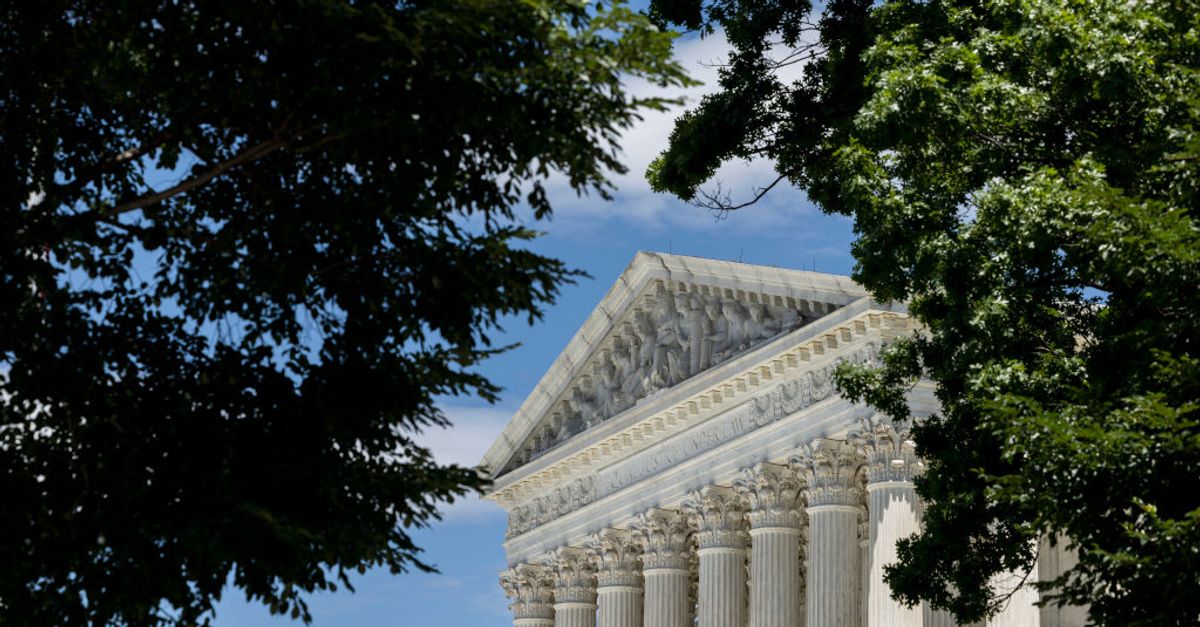
The U.S. Supreme Court’s emergency docket, often referred to as the "shadow docket," has seen a significant increase in volume and variety over the past decade. While high-profile cases involving federal policy or executions often dominate public attention, the court also receives emergency applications for a wide range of matters, including deportation proceedings, financial judgments, and state-level disputes. A recent application seeking to halt the euthanasia of a dog in California highlighted the broad nature of cases currently reaching the justices.
Emergency applications are requests for temporary relief rather than a final ruling on the merits of a case. Applicants typically ask the court to move quickly to either prevent an action from occurring or to allow one to proceed while litigation continues in lower courts. To succeed, applicants must generally demonstrate they are likely to win the case eventually and that they will suffer "irreparable harm" without immediate intervention. Most applications are first reviewed by a single justice assigned to the specific geographic circuit where the case originated.
Recent filings show the docket’s breadth. In October 2025, Alex Jones applied to pause the collection of a $1.4 billion judgment related to the Sandy Hook shooting, which the court denied. In April 2026, the court denied a request from an Ohio man, Sam Ronan, who sought to remain on a Republican primary ballot. Other cases have addressed EPA environmental rules, New York City zoning for adult entertainment, and the construction of a new White House ballroom. The current Trump administration has also used the docket to address immigration programs and federal funding disputes.
The scale of this shift is measurable. According to reports cited by The New York Times, the number of emergency applications addressed by the full Supreme Court each term has nearly doubled over the last 10 years. In some terms, the court now handles more emergency applications than cases on its traditional oral argument docket. This change translates to a faster legal environment where significant policy shifts—such as environmental regulations or election rules—can be paused or enacted within days of a filing, rather than the months or years required for standard proceedings.
The increase in filings has prompted congressional scrutiny and internal debate among the justices. During budget hearings in July 2026, Justice Elena Kagan suggested that the court may be encouraging more "long-shot" applications by granting relief more frequently, leading lawyers to file petitions they might otherwise have skipped. The lack of detailed explanations in many emergency orders has led to calls for more transparency from both lawmakers and legal observers. As the court continues to receive a diverse array of requests, the next significant dates will be determined by the specific deadlines of pending applications and any future legislative hearings regarding court reform or security funding.