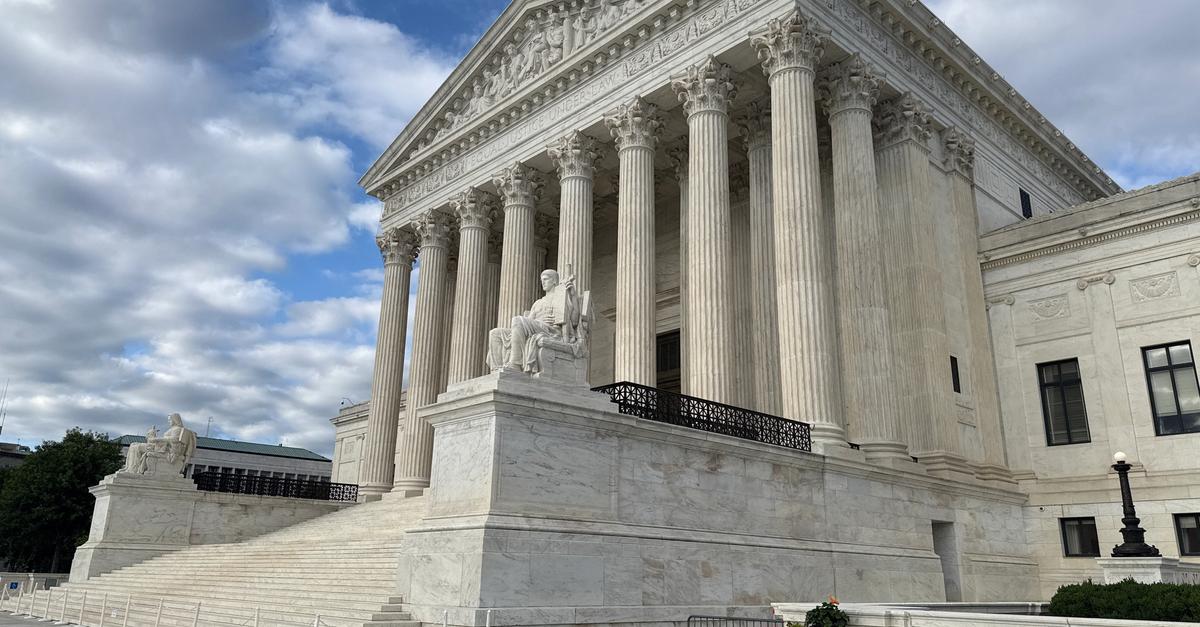
The U.S. Supreme Court has increased the frequency of detailed, written explanations for its emergency rulings, often shifting where these decisions are published on its official website. The court recently issued a five-page unsigned opinion in FCC v. Brown, an interim docket case regarding Federal Communications Commission advertising rates, and published it on the "Opinions of the Court" page rather than as a brief summary order.
This change occurs amid a long-standing debate among legal commentators and the justices themselves regarding the "shadow docket"—a term used to describe the court's non-merits orders that are frequently brief and unexplained. While merits cases involve full briefing and oral argument, emergency applications for stays or injunctions have historically been decided with little to no written reasoning, a practice criticized by some for a lack of transparency.
Since January 2025, the court has handled approximately three dozen emergency requests from the Trump administration involving issues such as immigration, mail-in voting, and federal funding. In response to questions about the lack of transparency, Justices Elena Kagan and Amy Coney Barrett testified before Congress in July 2026. Justice Kagan noted that the court was making an effort to provide more explanation to avoid confusion for lower courts.
The Supreme Court website now categorizes these decisions into three areas based on the level of detail provided. The "Opinions of the Court" page, traditionally reserved for argued merits cases, now includes substantial interim opinions like FCC v. Brown. The "Opinions Relating to Orders" page hosts brief orders accompanied by separate concurrences or dissents from individual justices. Finally, the "Orders of the Court" page contains "Miscellaneous Orders" that state a result—such as the grant or denial of a stay—without any legal explanation.
The shift toward more frequent writing is reflected in the court's records. For the 2025-26 term, seven opinions in non-argued interim docket cases appeared on the "Opinions of the Court" page, compared to three in the 2024-25 term and one in the 2023-24 term. Despite this increase, lengthy explanations remain the exception rather than the rule for the thousands of non-merits matters the court handles each year.
The scale of this docket is substantial; while the court issues only 50 to 80 merits decisions annually, it disposes of thousands of non-merits matters. These emergency rulings often serve as the final meaningful word in time-sensitive disputes, such as death penalty cases or election law changes, where the opportunity to act may pass before a full merits review can occur. Because these orders can pause government actions or agency rules, they directly impact the legal rights and benefits of millions of people across multiple states before a trial even concludes.
The increased transparency through written opinions provides a clearer precedent for lower courts, which Justice Kagan noted had previously struggled to interpret brief, unexplained orders. This change helps legal experts and the public track whether the justices are applying consistent logic across different cases. What happens next depends on the ongoing 2026-27 term, which began in early October. The court will continue to release order lists, typically on Monday mornings following Friday conferences, and will issue further interim rulings as emergency applications are filed throughout the year.