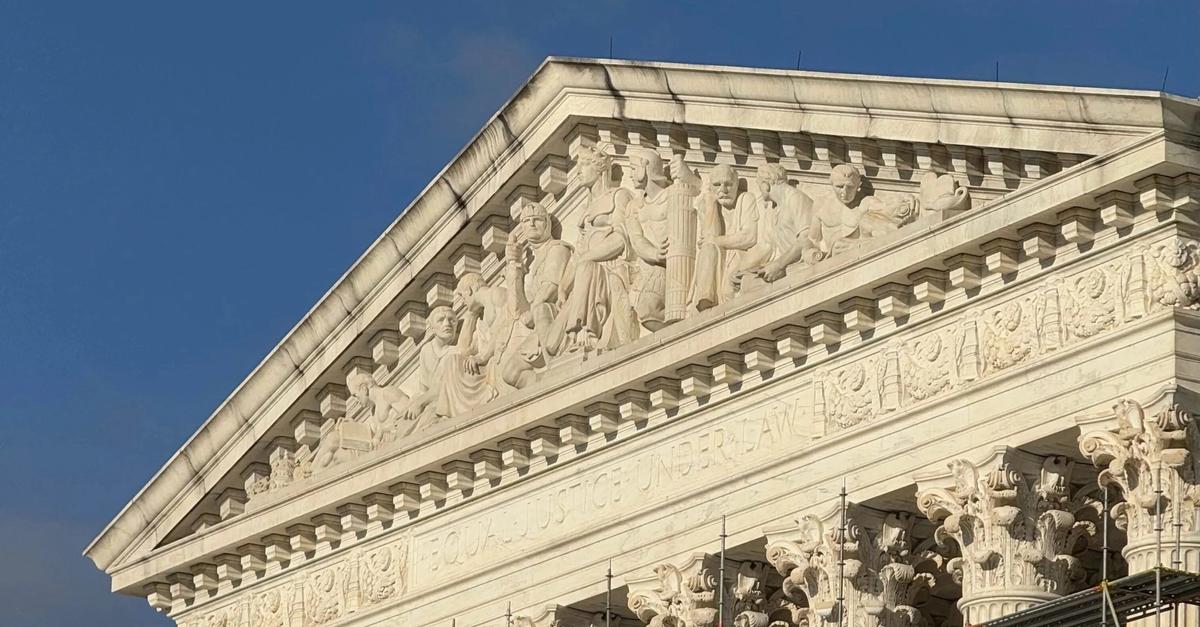
Chief Justice John Roberts issued a temporary administrative stay on Friday to permit the continued construction of a new White House ballroom. The order puts a hold on a lower court ruling that would have stopped above-ground work on the 90,000-square-foot project.
The action follows a decision by Senior U.S. District Judge Richard Leon, who had ordered a halt to the construction effective at the end of the day Friday. Roberts’ stay allows the project to proceed while the Supreme Court considers the matter.
In a separate development, the U.S. Postal Service published regulations on Friday that would restrict mail-in voting. These regulations are intended to comply with a presidential executive order that seeks to establish state-by-state citizen lists for determining voter eligibility. The Postal Service stated it would not implement these specific rules for the 2026 election unless the Supreme Court rules in favor of the administration.
The construction of the 90,000-square-foot ballroom at the White House is also at stake, involving federal contractors and government resources. While the administrative stay is temporary, a final ruling will determine if the multimillion-dollar project can proceed to completion or must remain halted due to the legal challenges raised in District Judge Richard Leon's court. Workers on site would see an immediate stop to above-ground activity if the stay is lifted without a further ruling in the administration's favor.
Beyond these specific cases, the Department of Justice is facing legal challenges regarding its method of appointing acting U.S. attorneys without Senate confirmation. Two appeals court panels recently ruled against this practice in cases involving Nevada and the Northern District of New York. A Department of Justice spokesperson said the agency plans to appeal these decisions to the Supreme Court, which could set a precedent for how federal prosecutorial vacancies are filled across the country. Decisions on the mail-in voting order and the appointment maneuvers are expected as the court manages a high volume of emergency applications.