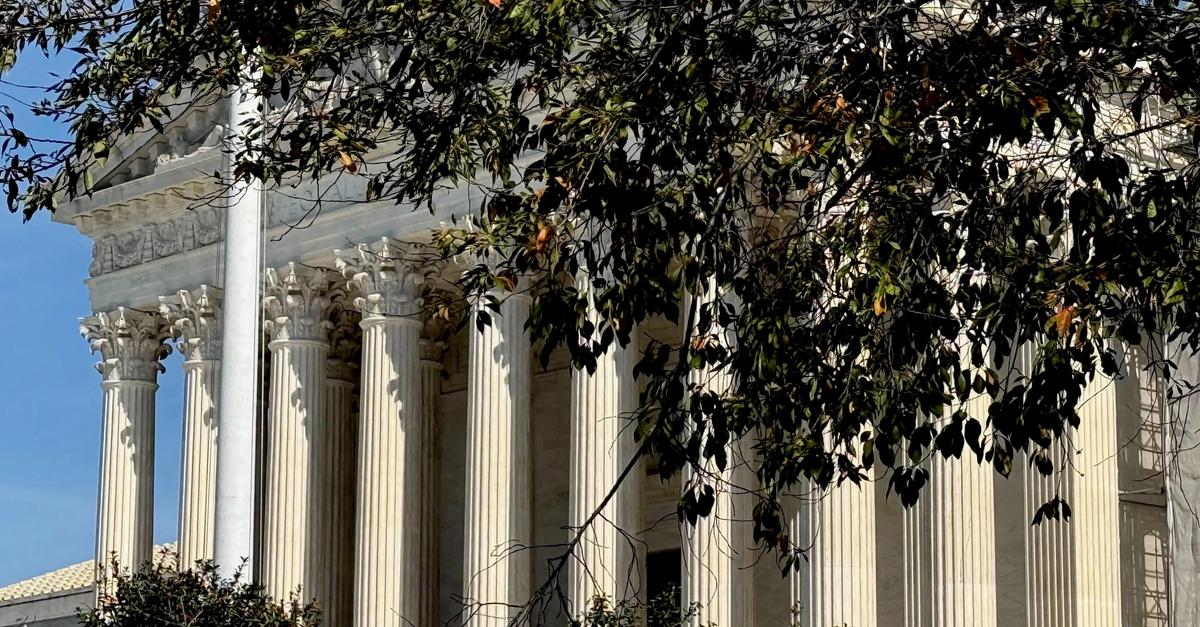
The U.S. Supreme Court ruled in late June that a federal religious liberty law does not permit prisoners to sue state officials personally for money damages. Justice Neil Gorsuch, writing for a 6-3 majority, found that while the Religious Land Use and Institutionalized Persons Act of 2000 (RLUIPA) protects inmates from religious burdens, it does not authorize financial recovery from individual officers. The decision centered on the constitutional limits of the federal government's spending power rather than the merits of the underlying religious claim.
The case, *Landor v. Louisiana Department of Corrections*, originated when Damon Landor, a Rastafarian inmate, sued after prison officials forcibly shaved his dreadlocks despite his religious objections. Landor sought personal money damages from the officials involved, citing RLUIPA's provision for "appropriate relief." While the Supreme Court had previously allowed similar lawsuits under the Religious Freedom Restoration Act (RFRA), the majority determined that the different constitutional foundations of the two laws required different outcomes for individual liability.
The majority explained that RLUIPA is a "spending power" statute, meaning it functions as a contract between the federal government and the state entities that receive federal funds. Because the individual prison guards were not parties to this funding agreement, the court held they cannot be held personally liable for damages. In contrast, the dissenters and some legal commentators argued that the ruling undermines the statute's purpose of protecting civil rights by removing a primary incentive for officials to comply with the law.
The decision reinforces a legal distinction between different types of federal civil rights laws. For state employees and small-business owners who interact with federal programs, the ruling clarifies that personal assets are shielded from federal lawsuits under spending-power statutes unless Congress explicitly names individuals as parties to the "deal." Legal scholars note this creates a precedent where the same phrase—"appropriate relief"—carries different meanings depending on whether a law is a direct mandate or a condition of federal funding. This could limit the scope of remedies in other areas tied to federal grants, such as education or infrastructure.
Moving forward, the focus shifts to whether Congress will amend RLUIPA to specifically include individual liability or if the Supreme Court will revisit the *Smith* doctrine, which currently limits constitutional religious exemptions. In July, following the *Landor* decision, the Supreme Court vacated a lower court ruling in an Arkansas arson case, directing the U.S. Court of Appeals for the 8th Circuit to reconsider the limits of federal authority in light of this new spending-power interpretation. Lawmakers or advocates seeking to restore money-damages remedies for inmates would now need to pass new federal legislation or pursue claims under different legal frameworks.