The Plain Record

Neutral daily news — clear headlines, complete facts.

National

Supreme Court Permits White House Ballroom Work; Army Secretary Resigns

The Supreme Court allowed White House ballroom construction to proceed, the Army Secretary resigned, and the U.S. launched new strikes against Iran.

Published August 31, 2026 at 8:00 PM EDT

The short answer

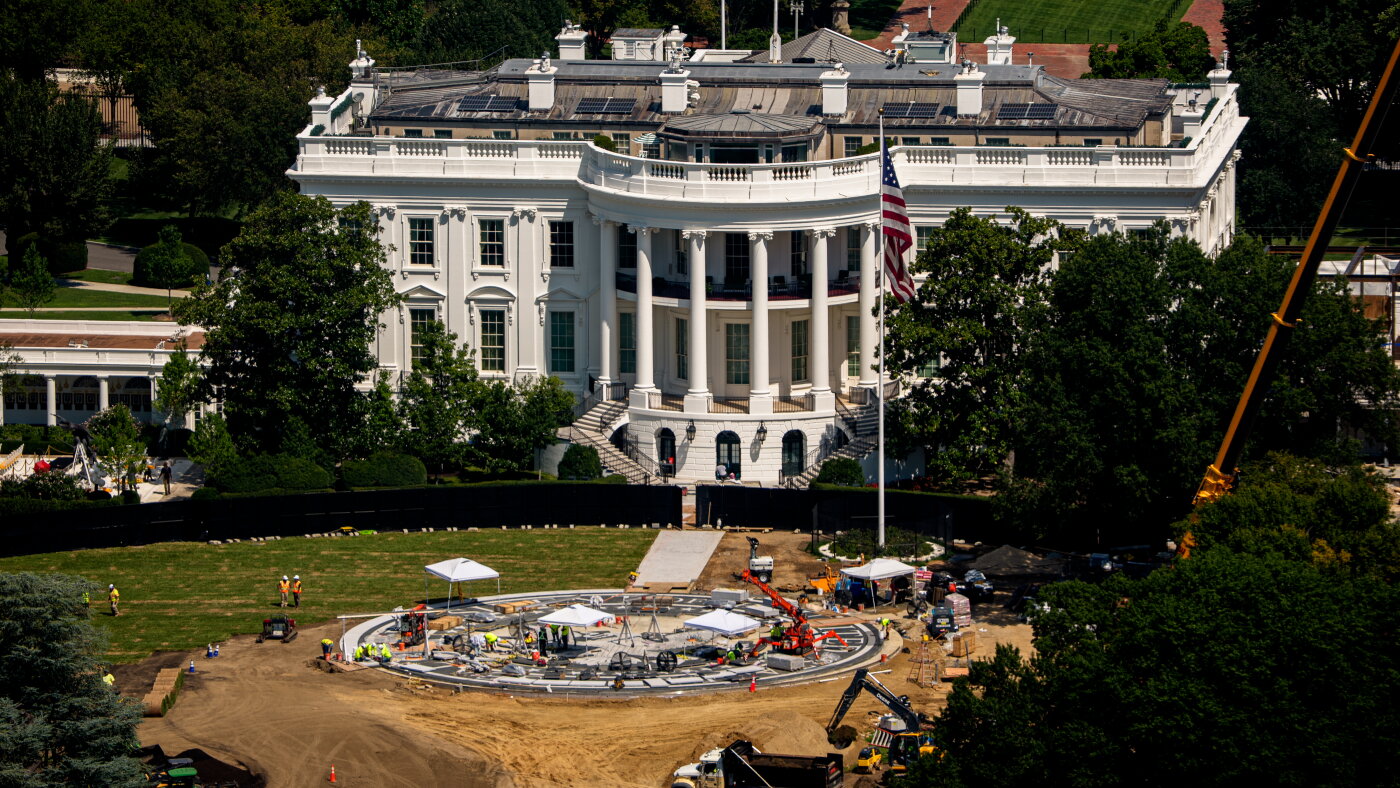
The Supreme Court allowed White House ballroom construction to proceed, the Army Secretary resigned, and the U.S. launched new strikes against Iran. The U.S. Supreme Court ruled on Monday, August 31, that President Donald Trump may proceed with construction of a ballroom in the former East Wing of the White House.

Supreme Court Permits White House Ballroom Work; Army Secretary Resigns

The Facts

Who
President Donald Trump, Chief Justice John Roberts, Army Secretary Dan Driscoll, Defense Secretary Pete Hegseth
What
Supreme Court ruling on White House construction and high-level Pentagon resignation.
When
Monday, August 31 and Tuesday, September 1, 2026
Where
Washington, D.C. and North Carolina
Why
The court ruling allows a $300 million taxpayer-funded project to continue despite dissents regarding congressional authority, while a top military civilian leader resigned amid internal Pentagon tensions and active conflict with Iran.

Timeline of what happened

Key dates and decisions, in the order they occurred.

  1. October 1, 2025

    President Trump displays ballroom renderings

  2. August 31, 2026

    Supreme Court rules ballroom construction may continue

  3. August 31, 2026

    Army Secretary Dan Driscoll resigns

  4. September 1, 2026

    U.S. launches strikes against Iran following tanker attacks

  5. September 1, 2026

    Whistleblower report released regarding USPS election technology

The U.S. Supreme Court ruled on Monday, August 31, that President Donald Trump may proceed with construction of a ballroom in the former East Wing of the White House. In the decision, the court determined that the National Trust for Historic Preservation lacked legal standing to sue because it had not suffered a concrete injury. Chief Justice John Roberts and the court's three liberal justices dissented, with Roberts writing that the project is likely unlawful and requires congressional approval that has not been met. The ruling did not address whether the demolition of the East Wing or the construction itself were legal, but it allowed work to continue while a legal dispute over the project potentially moves toward a final hearing.

In a separate development, Army Secretary Dan Driscoll resigned on August 31 after 18 months as the service's top civilian leader. Driscoll, who became the youngest-ever Army secretary at age 38, reportedly faced rising tensions with Defense Secretary Pete Hegseth. The resignation comes amid ongoing U.S. military activity in Iran and reports that Hegseth has been replacing top military officers with others seen as more loyal to him.

Simultaneously, U.S. Central Command reported new military strikes against Iran on Tuesday, September 1, following attacks on two oil tankers in the Strait of Hormuz. The U.S. also announced "Operation Economic Outcast" during a G20 summit in North Carolina, threatening penalties against countries doing business with Tehran. Additionally, a whistleblower report released on September 1 warned that the U.S. Postal Service (USPS) is rushing untested technology for a new online portal for state election officials to submit absentee voters' names and ballot envelope barcodes, which could affect the upcoming midterm elections.

The resignation of Army Secretary Dan Driscoll affects the civilian leadership of the U.S. Army. Although the secretary is not in the military chain of command, the departure of a top official closely tied to Vice President JD Vance during an active conflict in Iran creates a shift in leadership at the Pentagon. Defense Secretary Pete Hegseth continues to reorganize top leadership roles.

The whistleblower report regarding a new USPS online portal for state election officials could affect eligible absentee voters ahead of the November midterm elections. If the technology is deployed without adequate testing, voters in states utilizing the portal may experience delays in receiving their mail-in ballots or not receive them at all. This comes as gasoline prices remain more than a dollar per gallon higher than before the conflict with Iran. The administration has stated that new oil pipelines will make the Strait of Hormuz shipping route irrelevant by 2028, though energy experts have disputed this timeline.

Summaries are written by The Plain Record to state the facts of a story plainly and without political slant. Drafted with AI assistance and checked against the source record before publication. See how we report, or report a correction.

← Back to the front page

Questions readers ask

What happened: Supreme Court Permits White House Ballroom Work; Army Secretary Resigns?

The U.S. Supreme Court ruled on Monday, August 31, that President Donald Trump may proceed with construction of a ballroom in the former East Wing of the White House. In the decision, the court determined that the National Trust for Historic Preservation lacked legal standing to sue because it had not suffered a concrete injury.

Who is involved?

President Donald Trump, Chief Justice John Roberts, Army Secretary Dan Driscoll, Defense Secretary Pete Hegseth

When did this happen?

Monday, August 31 and Tuesday, September 1, 2026

Where did this happen?

Washington, D.C. and North Carolina

Why does this matter?

The court ruling allows a $300 million taxpayer-funded project to continue despite dissents regarding congressional authority, while a top military civilian leader resigned amid internal Pentagon tensions and active conflict with Iran.