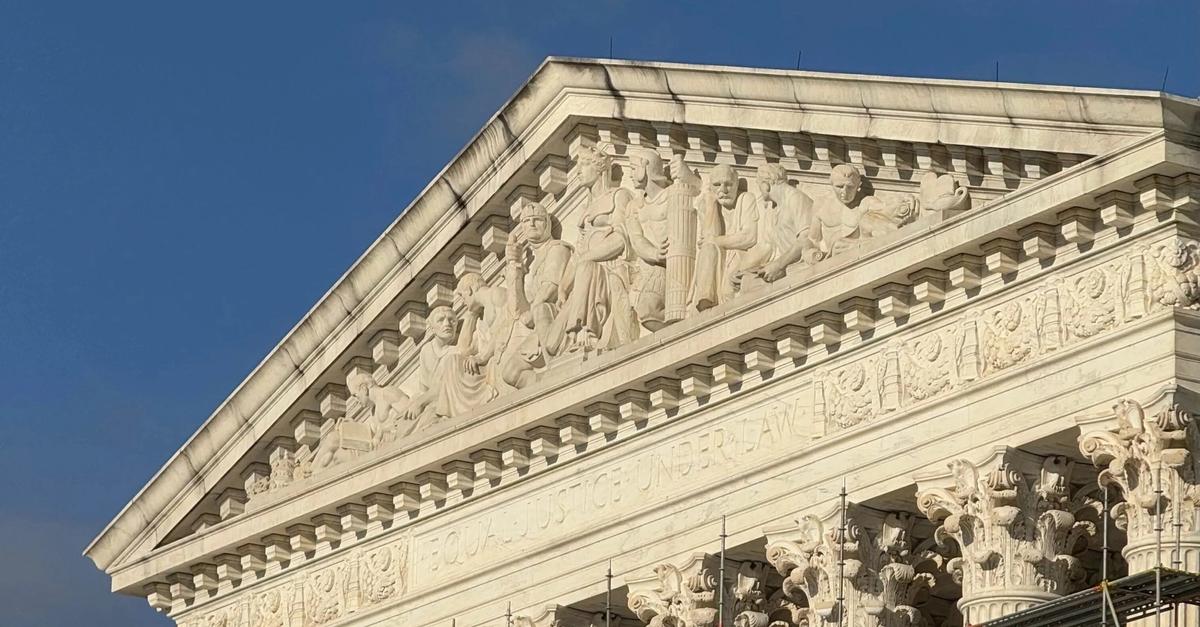
The U.S. Supreme Court on Tuesday, Oct. 27, 2026, declined to halt an agreement between the state of Texas and the Department of Justice that restricts immigration judges' ability to pause certain deportation proceedings. The decision allows the deal to remain in effect, maintaining a block on a Biden-era rule that had previously granted judges that discretion.
The legal challenge was brought by three cities and an organization that provides legal services to immigrants. These groups filed a request to pause the enforcement of the Texas-Department of Justice agreement, but the Supreme Court denied the application without any noted dissents from the justices.
In a separate matter involving border policy, the Trump administration filed an application with the Supreme Court on Oct. 21, 2026. The administration is seeking permission to resume construction of the border wall in the Big Bend region located in southwestern Texas. The court has set a deadline for responses to that application for Thursday, Oct. 29, 2026, at 4 p.m. EDT.
The Supreme Court's decision directly affects the enforcement of a Biden-era rule that allows immigration judges to delay or suspend certain cases. By declining to pause the Texas-Department of Justice deal, the court ensures that the agreement blocking that rule remains in place while litigation continues.
The challenge involved residents and legal service providers in at least three cities. For those currently in the deportation process, the decision maintains the status quo in Texas, where the judicial option to pause removal under the specific Biden-era rule is currently unavailable. The next step in the related border wall dispute occurs on Oct. 29, 2026, when responses are due from parties opposing the resumption of construction in the Big Bend region.