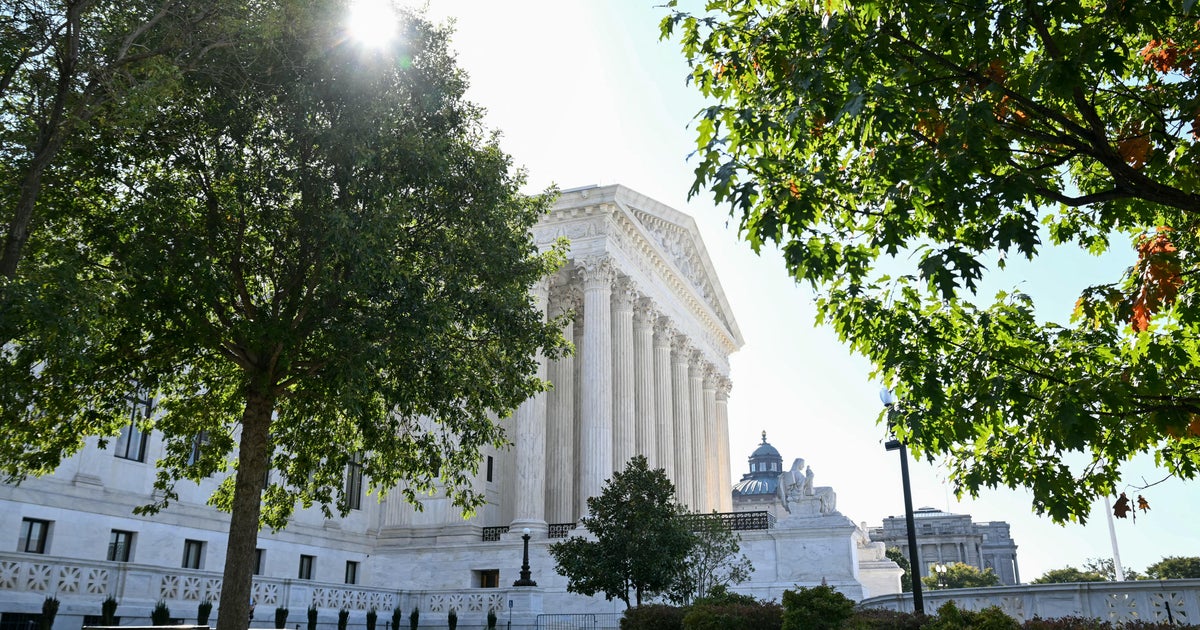
The Supreme Court on Wednesday rejected an emergency appeal from the Justice Department that sought to immediately enforce a new Bureau of Prisons (BOP) policy restricting medical treatments for transgender inmates. The unsigned order leaves in place a lower-court injunction that prevents the Trump administration from implementing the rules while a lawsuit continues. Justices Samuel Alito and Clarence Thomas noted they would have allowed the policy to go into effect.
The dispute follows an executive order from President Trump that barred federal funds from being used for medical procedures intended to conform an inmate’s appearance to the opposite sex. In February, the BOP issued a policy to halt surgical interventions and hormone therapy, and to end social accommodations such as wigs and makeup for inmates with gender dysphoria. Gender dysphoria is a clinical diagnosis for the distress caused by a mismatch between a person's gender identity and their sex assigned at birth.
Solicitor General D. John Sauer argued that the policy change was necessary to maintain institutional security and that the agency had determined such treatments were not medically necessary. However, lawyers for the inmates challenging the rules argued that the BOP has provided hormone therapy since 1992 and that withdrawing it could cause severe mental health effects, including depression and suicidal thoughts. U.S. District Judge Royce Lamberth, who initially blocked the policy, stated the government violated federal law by failing to adequately consider its decades of experience providing these treatments.
The case also sets a procedural limit on the administration’s ability to overhaul medical protocols within the federal prison system without meeting specific legal standards for administrative changes. While the Supreme Court has previously allowed other Trump administration restrictions—such as those involving military service and passport markers—to proceed, this order maintains the status quo for the BOP until a final legal determination is reached. The lack of documented security incidents related to these treatments over the past 30 years was a central point of contention in the lower court's refusal to lift the block.
The litigation will now proceed in the lower courts to determine the ultimate legality of the February policy. The Bureau of Prisons is currently required to continue providing gender-affirming care and social accommodations under the terms of Judge Lamberth’s injunction. No final trial date or deadline for a permanent ruling was reported in the current proceedings. While the administration argues its psychotherapy-based alternative is aligned with new scientific information, the plaintiffs continue to challenge the lack of evidence supporting the efficacy of the proposed replacement treatments.