The Plain Record

Neutral daily news — clear headlines, complete facts.

National

Supreme Court Rejects Mail-In Voting Limits; Kennedy Center Warns of Bankruptcy

The Supreme Court blocked mail-in voting limits, while the Kennedy Center board warned of a financial crisis and potential bankruptcy.

Background: The 25th Amendment, explained: how presidential succession and disability actually work

Published September 15, 2026 at 7:51 AM EDT

The short answer

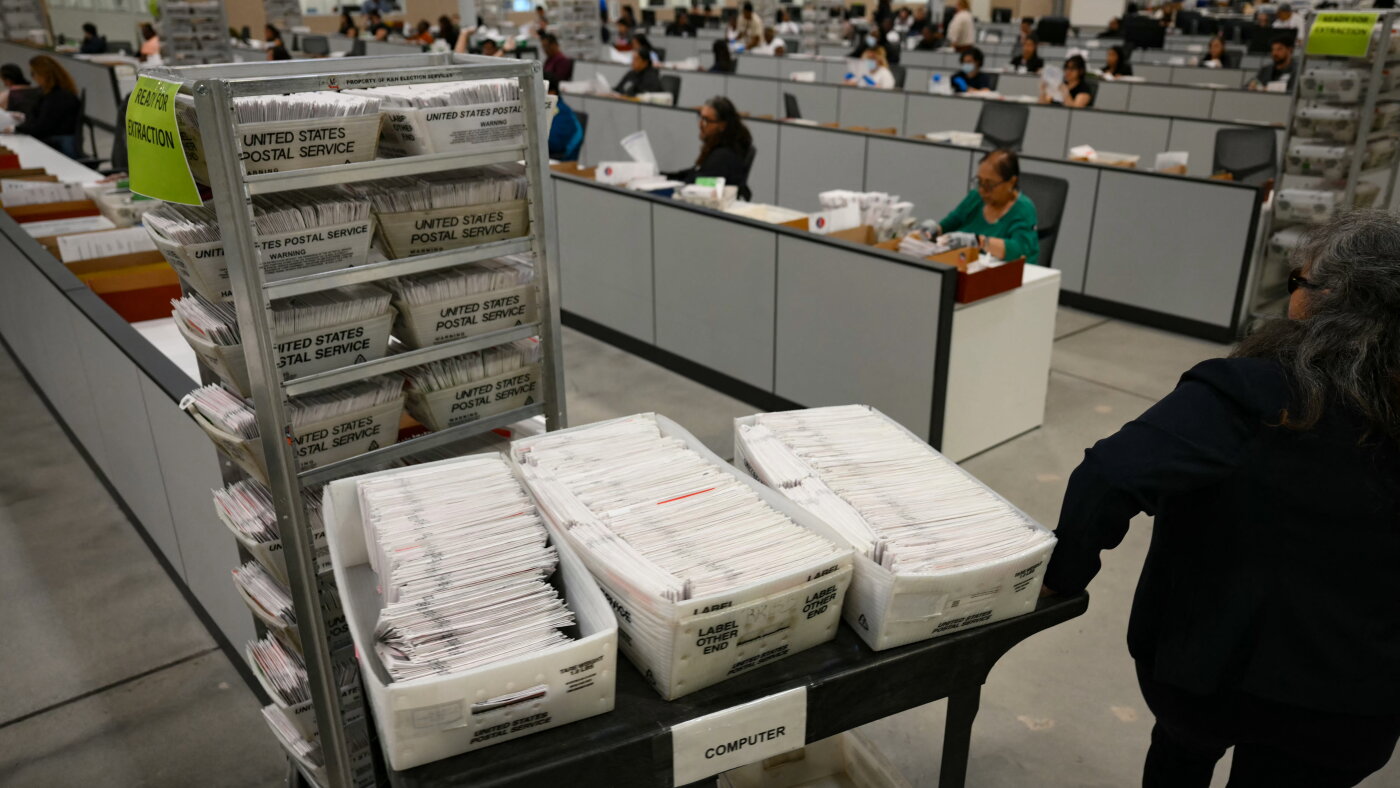
The Supreme Court blocked mail-in voting limits, while the Kennedy Center board warned of a financial crisis and potential bankruptcy. The U.S. Supreme Court has blocked an effort by the Trump administration to implement new restrictions on mail-in voting ahead of the upcoming midterm elections. The ruling ensures that the U.S. Postal Service will continue its standard delivery procedures for ballots.

Supreme Court Rejects Mail-In Voting Limits; Kennedy Center Warns of Bankruptcy

The Facts

Who
U.S. Supreme Court, President Trump, Kennedy Center Board, Rep. Joyce Beatty, Department of Justice, Bob Mackie, Mitch McConnell
What
Supreme Court ruling on mail-in voting and Kennedy Center financial status
When
Monday, September 15, 2026 (based on source date)
Where
Washington, D.C., Alabama, North Carolina, Wisconsin, and Evanston, Illinois
Why
The court ruling ensures ballot delivery remains unchanged for the midterms, while the Kennedy Center faces potential closure amid a renaming dispute and the DOJ challenges Evanston's reparations program.

The U.S. Supreme Court has blocked an effort by the Trump administration to implement new restrictions on mail-in voting ahead of the upcoming midterm elections. The ruling ensures that the U.S. Postal Service will continue its standard delivery procedures for ballots. Voting by mail has already commenced in Alabama, North Carolina, and Wisconsin, with other states scheduled to begin shortly.

In Washington, D.C., the John F. Kennedy Center for the Performing Arts board says the institution faces a financial crisis and could face bankruptcy and potential closure as soon as Monday. The board met to discuss these challenges on the same day as a court hearing regarding a lawsuit filed by Rep. Joyce Beatty (D-OH). The lawsuit seeks to stop a proposal to rename the center in honor of President Trump.

According to a document obtained by NPR, the Kennedy Center board suggested that the president is the only one who can raise enough funds to address the center's financial issues. The center reports a decline in ticket sales and donations over the past year. Some artists and audience members have stated the institution has become too politicized.

The Supreme Court's decision affects voters in states that allow mail-in participation, ensuring that the U.S. Postal Service remains the courier for ballots without new administrative hurdles. In states like Alabama, North Carolina, and Wisconsin, where voting has already begun, eligible voters will see existing mail-in procedures remain unchanged for the midterm cycle. Election officials recommend that voters check deadlines for requesting ballots and return completed ballots as early as possible.

The potential closure of the Kennedy Center affects the national arts community and the employees and performers associated with the institution. The center's shift in programming and the loss of donors and performers over the last year indicate a change in the day-to-day operations of the cultural venue, which typically relies on a mix of ticket revenue, private donations, and government grants.

The legal and financial outcomes involve a ruling by Judge Christopher Cooper regarding the renaming lawsuit. Meanwhile, the Department of Justice has joined a lawsuit against the city of Evanston, Illinois, alleging that its $20 million reparations program for Black residents violates the Constitution's equal protection clause. The program has already issued $25,000 grants to more than 300 individuals to address historical housing discrimination. In other news, costume designer Bob Mackie died Monday at age 87, and Sen. Mitch McConnell returned to the Senate following a medical absence.

Timeline of what happened

Key dates and decisions, in the order they occurred.

  1. April 23, 2025

    Steve Bannon speaks at Semafor World Economy Summit

  2. September 14, 2026

    Designer Bob Mackie dies at age 87 in Palm Springs

  3. September 14, 2026

    Sen. Mitch McConnell returns to Senate after medical absence

Summaries are written by The Plain Record to state the facts of a story plainly and without political slant. Drafted with AI assistance and checked against the source record before publication. See how we report, or report a correction.

← Back to the front page

Questions readers ask

What happened: Supreme Court Rejects Mail-In Voting Limits; Kennedy Center Warns of Bankruptcy?

The U.S. Supreme Court has blocked an effort by the Trump administration to implement new restrictions on mail-in voting ahead of the upcoming midterm elections. The ruling ensures that the U.S. Postal Service will continue its standard delivery procedures for ballots.

Who is involved?

U.S. Supreme Court, President Trump, Kennedy Center Board, Rep. Joyce Beatty, Department of Justice, Bob Mackie, Mitch McConnell

When did this happen?

Monday, September 15, 2026 (based on source date)

Where did this happen?

Washington, D.C., Alabama, North Carolina, Wisconsin, and Evanston, Illinois

Why does this matter?

The court ruling ensures ballot delivery remains unchanged for the midterms, while the Kennedy Center faces potential closure amid a renaming dispute and the DOJ challenges Evanston's reparations program.