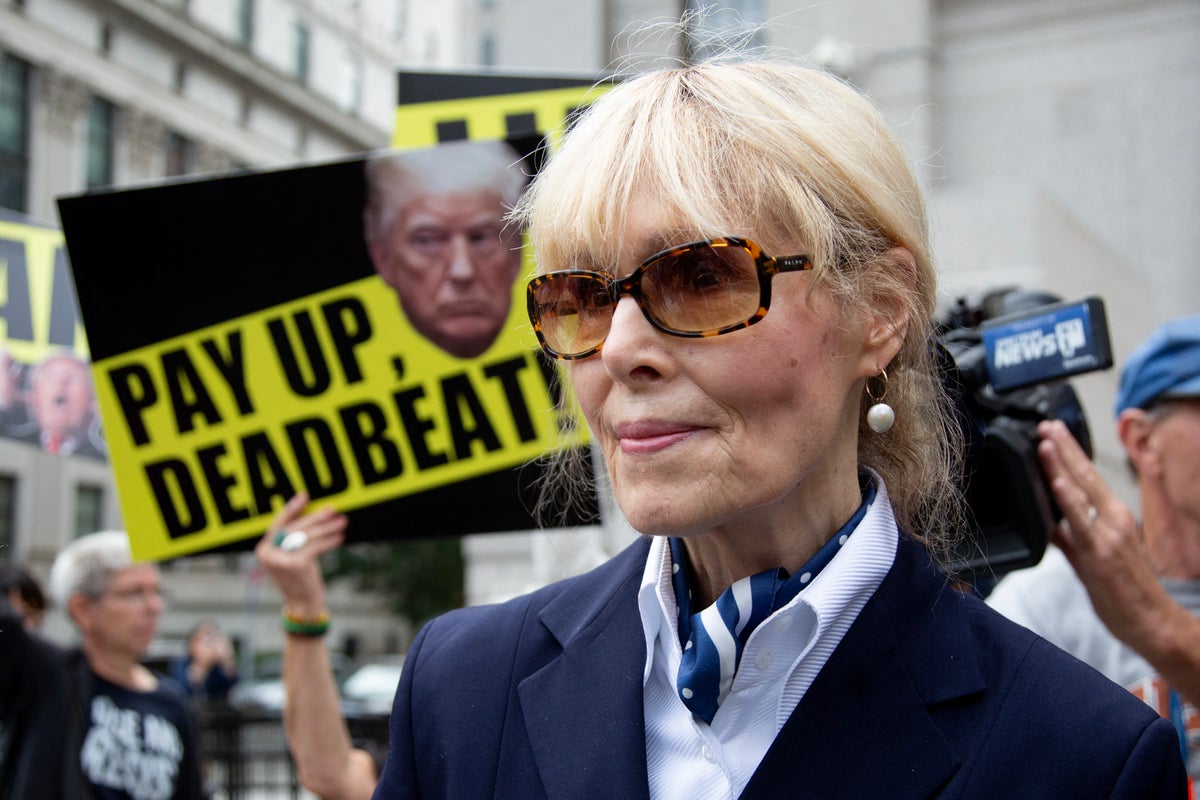
The U.S. Supreme Court on Monday rejected a second request by Donald Trump to reverse a jury verdict that found him liable for the sexual abuse and defamation of E. Jean Carroll. The decision leaves in place a judgment that awarded Carroll, a former Elle magazine writer, more than $5 million in damages.
The legal dispute stems from Carroll’s allegations against Trump, which led to a jury finding him liable for sexual abuse and defamation. Following the verdict, Trump appealed the decision and sought to prevent the disbursement of the awarded funds. In June, the Supreme Court declined to take up his initial appeal, and a court-controlled escrow account subsequently disbursed more than $5.6 million to Carroll on July 9.
Following that payment, Trump’s legal team sought an injunction to compel Carroll to return the money to the escrow account while they asked the justices to reconsider their previous denial. Trump has consistently denied the allegations, stating on Truth Social that he never met Carroll and characterizing the legal proceedings as "weaponization and lawfare." His legal team argued for the return of the funds as they continued to challenge the finality of the judgment.
Lawyers for Carroll opposed the motion, stating in court filings last month that Trump was engaging in maneuvers to "forestall payment." They argued that the judgment was final and that Carroll was entitled to keep the money already disbursed. The Supreme Court's Monday order effectively ends this specific attempt to reclaim the $5.6 million, though the court is still considering a separate appeal regarding a second defamation verdict that awarded Carroll an additional $83 million.
The scale of the financial impact is documented at over $5.6 million for this specific case, with an additional $83 million verdict still under consideration by the Supreme Court. A person in Carroll's position would notice the permanent availability of these funds in their personal accounts, while a defendant in Trump's position would notice the permanent loss of those funds from their balance sheet as of the Monday ruling. This decision reinforces the finality of disbursed judgments even when a party continues to file post-payment appeals.
The knock-on effects involve the precedent for how federal courts handle requests to claw back funds that have already left court-controlled escrow accounts. By declining to intervene, the Supreme Court has allowed the lower court’s disbursement process to stand as the conclusion of this specific financial obligation. What happens next is the Supreme Court’s eventual decision on the separate $83 million defamation verdict, for which no specific date or deadline for a ruling was reported.