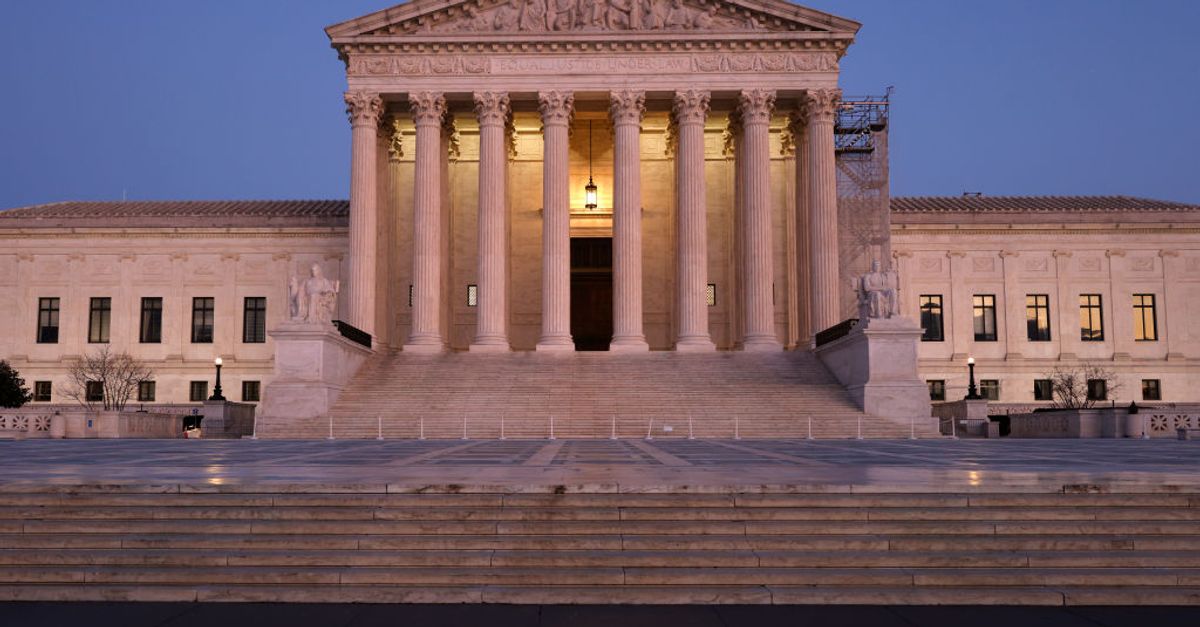
The U.S. Supreme Court ruled in the case Trump v. Slaughter that statutory removal protections for Federal Trade Commissioners are unconstitutional. Writing for the majority, the chief justice stated that these protections were contrary to the separation of powers established by the Constitution. The ruling restricts the ability of Congress to protect certain agency officials from being fired by the president.
The decision follows a series of cases where the court has limited the independence of federal agencies. In Free Enterprise Fund v. PCAOB, the court struck down dual for-cause removal limitations for accounting board members. Similarly, in Seila Law v. CFPB, the court held that the structure of the Consumer Financial Protection Bureau, which featured a single director protected from removal, violated constitutional principles.
Legal analysts, including Professor Chad Squitieri, noted that while the court cited "separation of powers" in the abstract, the ruling implicitly relies on the Article II vesting and take care clauses. The vesting clause grants executive power to the president, while the take care clause requires the president to ensure laws are faithfully executed. Justice Neil Gorsuch, in a concurring opinion, wrote that to fulfill this duty, the president must be able to remove principal officers who exercise executive power.
The concrete day-to-day change will be noticed in how federal agencies implement and enforce regulations. A person or small-business owner interacting with the FTC might see shifts in enforcement priorities immediately following a change in presidential administrations, as the president can now install new leadership more quickly. This affects legal rights and regulatory expectations for any entity subject to FTC oversight. The ruling also clarifies that the president cannot fire the vice president, as that office is separately elected and holds a legislative role as President of the Senate, rather than exercising executive power delegated by the president.
The knock-on effects include a likely increase in legal challenges to other independent agencies. The court’s reliance on the Article II vesting and take care clauses sets a precedent that may be used to dismantle remaining removal protections for other federal regulators. This shifts the balance of power between the legislative and executive branches, as Congress loses a primary mechanism for insulating agency experts from political pressure. Future policy decisions regarding everything from trade to environmental regulation may now be more directly controlled by the White House. What happens next depends on how the executive branch chooses to exercise this expanded removal authority and whether Congress attempts to draft new forms of agency oversight that comply with the court’s interpretation of Article II.