The Plain Record

Neutral daily news — clear headlines, complete facts.

Supreme Court

Supreme Court Sets January Arguments for Jury Size and Religious Zoning Cases

The Supreme Court has scheduled arguments for January 2027 to address the constitutionality of six-person juries and a religious zoning dispute in Kentucky.

Background: How the Supreme Court takes a case

Published November 2, 2026 at 5:06 PM EST

The short answer

The Supreme Court has scheduled arguments for January 2027 to address the constitutionality of six-person juries and a religious zoning dispute in Kentucky. The Supreme Court of the United States released its January argument calendar on Monday, November 2, 2026, scheduling six oral arguments over five days. The justices are set to hear cases from January 11-13 and again from January 19-20, 2027.

Supreme Court Sets January Arguments for Jury Size and Religious Zoning Cases

The Facts

Who
The U.S. Supreme Court, Kian, Florida, Missionaries of Saint John the Baptist, Apple Inc., and Pepsico, Inc.
What
Release of the Supreme Court's January oral argument calendar.
When
Monday, November 2, 2026
Where
Washington, D.C.
Why
The court will decide if 12-person juries are constitutionally required for serious felonies and clarify religious land-use protections.

The Supreme Court of the United States released its January argument calendar on Monday, November 2, 2026, scheduling six oral arguments over five days. The justices are set to hear cases from January 11-13 and again from January 19-20, 2027. The schedule includes legal challenges regarding the size of criminal juries, religious land-use regulations, and the enforcement of court injunctions.

The announcement follows the court's proceedings on Monday morning, where the justices heard arguments in Maxwell v. Dinis and Younge v. Fulton Judicial Circuit District Attorney’s Office. The upcoming January session will address several federal statutes, including the Equal Access to Justice Act and the Religious Land Use and Institutionalized Persons Act.

On January 13, the court will hear Kian v. Florida, a case brought by a Florida man challenging the state's use of six-person juries for defendants charged with serious felonies. A week later, on January 20, the justices will hear Missionaries of Saint John the Baptist v. Frederic. That case involves a Catholic church in northern Kentucky and a neighboring couple who live across the street and oppose the church's plans to build a shrine to the Virgin Mary on its property. The court will determine if land-use regulations preventing such structures constitute a "substantial burden" on religious exercise under federal law.

The outcome of Kian v. Florida will decide if a 12-person jury is a constitutional right for those facing serious felony charges. In Missionaries of Saint John the Baptist v. Frederic, the court's interpretation of the Religious Land Use and Institutionalized Persons Act will address the legal rights of religious organizations and individuals when local zoning laws conflict with religious projects. The 2000 federal law provides religious freedom protections for prisoners and for religious organizations or individuals seeking to challenge land-use restrictions.

Additional cases scheduled for the January session involve civil immigration detainees, veterans, and corporate litigants. On January 11, the court will consider Montoya Palacios v. Liggins, which determines if detainees who prevail in habeas corpus challenges against civil immigration detention are eligible for attorney's fees under the Equal Access to Justice Act. On January 19, in Marschner v. Marschner, the court will address whether the Uniformed Services Former Spouses’ Protection Act requires state courts to refuse to enforce divorce settlement provisions requiring veterans to compensate ex-spouses if their retirement pay is reduced by the receipt of disability payments.

The court will also hear Apple Inc. v. Epic Games on January 11 to decide if a party can be held in contempt for violating the "spirit" of an injunction that is silent about the conduct in question. On January 12, in RiseandShine Corp. v. Pepsico, Inc., the justices will rule on whether the "inherent strength" of a trademark is a question of law for a judge or a question of fact for a jury.

Timeline of what happened

Key dates and decisions, in the order they occurred.

  1. January 1, 2000

    Congress enacts the Religious Land Use and Institutionalized Persons Act

  2. October 30, 2026

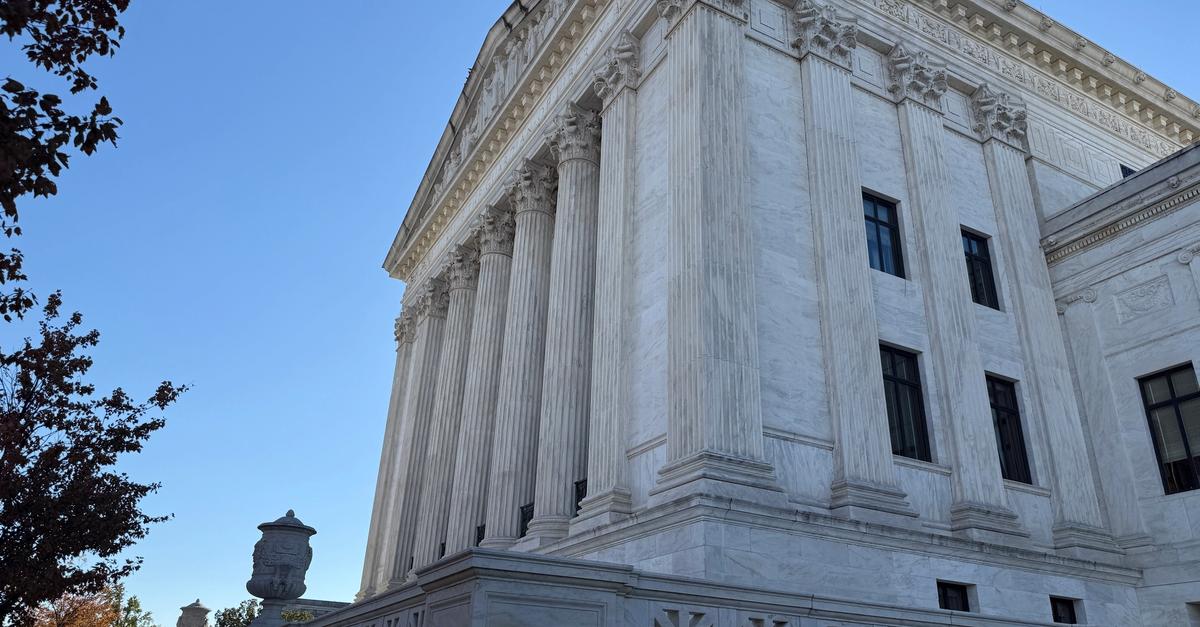
    Supreme Court Building pictured ahead of November proceedings

  3. November 2, 2026

    Supreme Court releases January argument calendar

  4. January 11, 2027

    Arguments scheduled for Montoya Palacios v. Liggins and Apple Inc. v. Epic Games

  5. January 12, 2027

    Arguments scheduled for RiseandShine Corp. v. Pepsico, Inc.

  6. January 13, 2027

    Arguments scheduled for Kian v. Florida regarding six-person juries

  7. January 19, 2027

    Arguments scheduled for Marschner v. Marschner regarding veteran benefits

  8. January 20, 2027

    Arguments scheduled for Missionaries of Saint John the Baptist v. Frederic

Summaries are written by The Plain Record to state the facts of a story plainly and without political slant. Drafted with AI assistance and checked against the source record before publication. See how we report, or report a correction.

← Back to the front page

Questions readers ask

What happened: Supreme Court Sets January Arguments for Jury Size and Religious Zoning Cases?

The Supreme Court of the United States released its January argument calendar on Monday, November 2, 2026, scheduling six oral arguments over five days. The justices are set to hear cases from January 11-13 and again from January 19-20, 2027.

Who is involved?

The U.S. Supreme Court, Kian, Florida, Missionaries of Saint John the Baptist, Apple Inc., and Pepsico, Inc.

When did this happen?

Monday, November 2, 2026

Where did this happen?

Washington, D.C.

Why does this matter?

The court will decide if 12-person juries are constitutionally required for serious felonies and clarify religious land-use protections.