The Plain Record

Neutral daily news — clear headlines, complete facts.

Supreme Court

Supreme Court temporarily allows White House ballroom construction to proceed

Chief Justice John Roberts issued a temporary stay freezing a lower court injunction that would have halted the 90,000-square-foot White House project.

By The Plain RecordUpdated August 21, 2026 at 3:05 PM EDT
Published August 21, 2026 at 2:20 PM EDT

The short answer

Chief Justice John Roberts issued a temporary stay freezing a lower court injunction that would have halted the 90,000-square-foot White House project. The U.S. Supreme Court on Friday issued a temporary stay allowing construction of a ballroom at the White House to proceed. The order from Chief Justice John Roberts pauses a lower court ruling that would have stopped work on the project.

Updates (1)

  • Update — August 21, 2026 at 3:05 PM EDT: The U.S. Supreme Court stayed a lower court order, allowing the Trump administration to proceed with building a $300 million White House ballroom during a legal challenge.
Supreme Court temporarily allows White House ballroom construction to proceed

The Facts

Who
Chief Justice John Roberts, the Trump administration, and the Justice Department.
What
A temporary stay issued by Chief Justice John Roberts allowing construction to continue.
When
Friday
Where
Washington, D.C.
Why
To provide the Supreme Court time to consider the Justice Department's request to pause a district court's injunction against the project.

Timeline of what happened

Key dates and decisions, in the order they occurred.

  1. August 14, 2026

    Trump administration asks Supreme Court to intervene

  2. August 21, 2026

    Chief Justice John Roberts issues stay allowing construction to continue

The U.S. Supreme Court on Friday issued a temporary stay allowing construction of a ballroom at the White House to proceed. The order from Chief Justice John Roberts pauses a lower court ruling that would have stopped work on the project.

The decision follows a request from the Justice Department to freeze a district court's injunction. That injunction was scheduled to take effect at midnight on the day the Supreme Court acted, which would have halted all construction activities until further legal review.

The Trump administration moved for Supreme Court intervention last week, seeking to overturn the lower court's block on the 90,000-square-foot facility. Chief Justice Roberts indicated the stay will remain in place while the high court considers the administration's broader request to pause the injunction during the ongoing legal dispute.

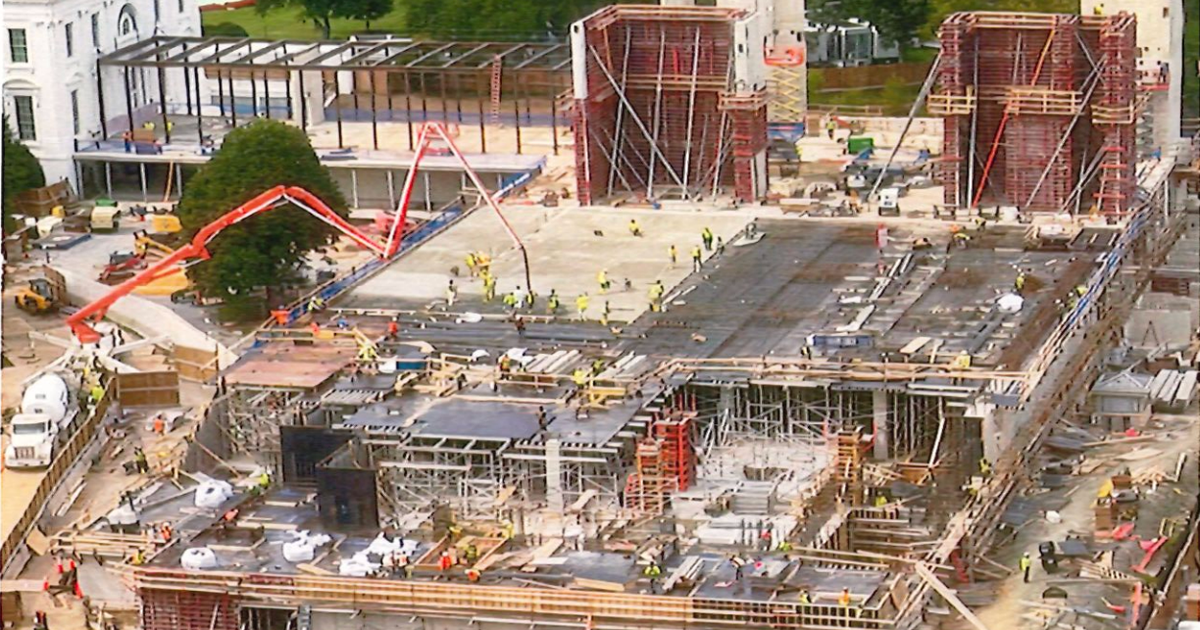
The concrete day-to-day impact is the avoidance of an immediate suspension of operations at the site. Without this stay, the district court's injunction would have frozen all activity, potentially affecting equipment leases, supply deliveries, and construction timelines. Because the order is temporary, the long-term status of the project remains uncertain, but the immediate effect is that the White House ballroom site will remain an active construction zone rather than a dormant one for the duration of the court's deliberation.

The stay sets a temporary precedent for how federal construction projects may proceed while facing environmental or procedural challenges in the lower courts. By intervening, the Supreme Court has signaled it will weigh the administration's arguments for project continuity against the district court's reasoning for an injunction. The next steps involve the full Supreme Court reviewing the Justice Department's application. A final date for that review has not been reported, but the current stay remains in place until the court takes further action.

Summaries are written by The Plain Record to state the facts of a story plainly and without political slant. See our editorial standards, or report a correction.

← Back to the front page

Questions readers ask

What happened: Supreme Court temporarily allows White House ballroom construction to proceed?

A temporary stay issued by Chief Justice John Roberts allowing construction to continue.

Who is involved?

Chief Justice John Roberts, the Trump administration, and the Justice Department.

When did this happen?

Friday

Where did this happen?

Washington, D.C.

Why does this matter?

To provide the Supreme Court time to consider the Justice Department's request to pause a district court's injunction against the project.