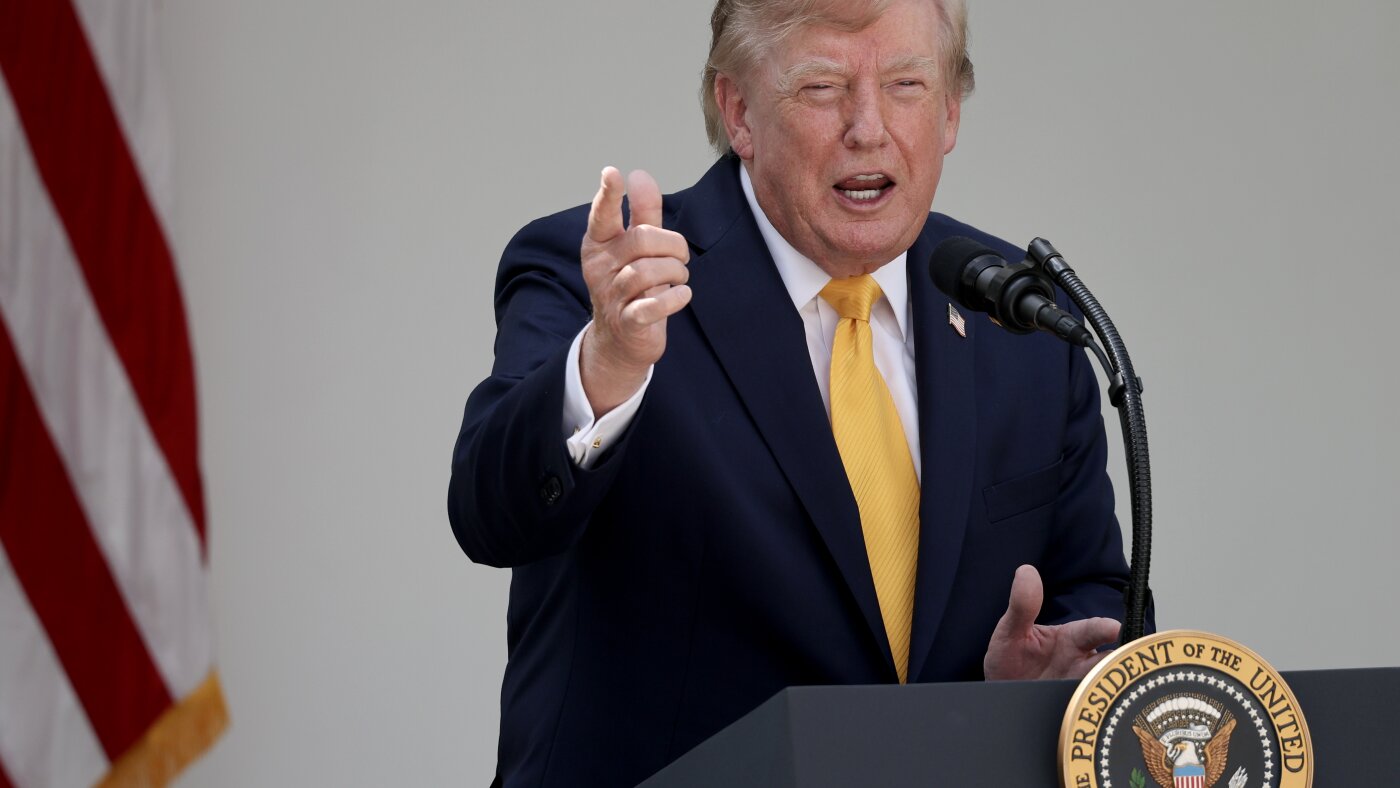
The U.S. Supreme Court on Monday paused a lower court ruling that had blocked President Trump's executive order regarding mail-in voting procedures. The decision allows the administration to proceed, for the time being, with a directive requiring the U.S. Postal Service to deliver mail-in ballots only to individuals listed as U.S. citizens.
The legal challenge began after 23 states, primarily led by Democrats, and Washington, D.C., sued the administration over the March executive order. In June, a judge in Boston ruled that the administration had exceeded its constitutional authority. However, the Supreme Court determined that the lower court's conclusion was premature and has not yet ruled on the underlying legality of the order itself.
In related foreign policy, Treasury Secretary Scott Bessent announced new economic sanctions against Iran on Monday. The administration, which referred to the initiative as "economic D-Day," aims to target Iran’s global financial connections and networks. While the United Arab Emirates announced it would end commercial trade with Iran, China’s foreign ministry condemned the measures as "illicit unilateral sanctions." Iran’s Economy Minister Ali Madanizadeh stated the country has a two-year plan to manage the economic impact.
Federal agencies, including the Department of Homeland Security and the U.S. Postal Service, must now manage the logistics of implementing these directives on a short timeline. The scale of the change involves coordinating federal citizenship records with state-level voter rolls across nearly half the country. Voters in the affected jurisdictions may notice changes in how they receive or submit their ballots, though the exact procedural shift for an individual household depends on how the Postal Service interprets the delivery mandate for those not on specific citizenship lists.
The ruling sets a temporary precedent for presidential authority over postal operations related to elections while the full legal merits of the case are debated. This legal uncertainty persists as the Supreme Court has not yet issued a final judgment on the constitutionality of the order. The immediate next steps involve federal agencies attempting to implement these changes before the midterms, while the case continues to move through the federal court system to determine if the restrictions will become permanent.