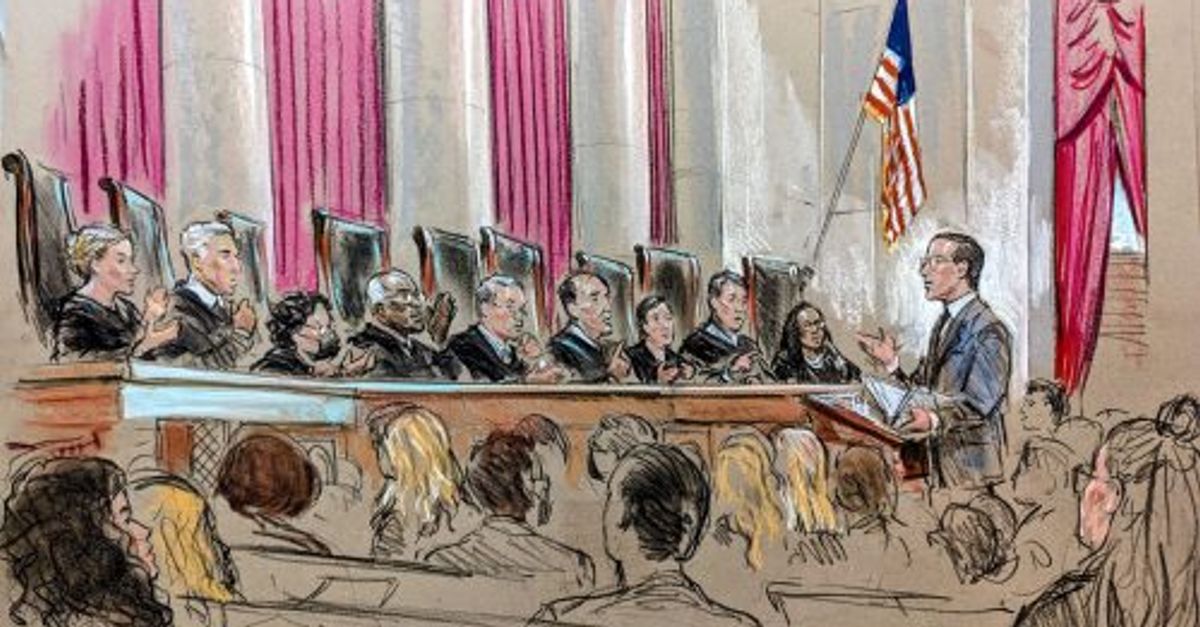
The U.S. Supreme Court completed its first six oral arguments of the 2026-27 term in October, focusing heavily on the procedural limits of judicial review. Justice Ketanji Brown Jackson emerged as the term's most active speaker among the justices after the first two weeks of arguments, continuing a pattern of high participation from the previous term.
The October session included cases regarding climate litigation, veterans' constitutional claims, retirement-plan fiduciary duties, and environmental hazardous-waste permits. A primary theme across these disputes was the timing and location of judicial intervention, with justices examining whether specific legal challenges were sufficiently developed or filed in the correct forum before federal courts could act.
In the case of Beaird v. United States, which concerned the legal authority of U.S. Sentencing Commission commentary, the justices spoke a total of 7,791 words. Justice Jackson and Justice Neil Gorsuch accounted for nearly half of the court’s substantive speech in that argument. Despite their frequent questioning, the two developed different theories regarding the Sentencing Commission's power. Across the entire six-case sitting, conservative-appointed justices supplied 54.3% of the substantive speech, while liberal-appointed justices supplied 45.7%.
The scale of these rulings involves significant financial and institutional interests. In Anderson v. Intel Corporation, the court is defining the pleading standards for ERISA (Employee Retirement Income Security Act) lawsuits, which govern trillions of dollars in retirement assets. The outcome will dictate what specific evidence a plan participant must provide—such as a "meaningful investment benchmark"—before a case can move forward. This directly impacts the ability of millions of American workers to sue over underperforming or allegedly mismanaged retirement accounts. If the court sets a higher bar for these allegations, it could reduce the number of fiduciary duty lawsuits that reach the discovery phase, potentially lowering legal costs for large employers while making it more difficult for individuals to seek compensation for investment losses.
These cases also set precedents for how much weight courts must give to federal agency guidance versus formal regulations. The Beaird case, for example, could change how federal judges calculate prison sentences by determining if they must follow the U.S. Sentencing Commission’s commentary or only the formal Guidelines. A decision to move away from current deference standards could introduce new variations in sentencing across the country. The court typically issues its written opinions on these argued cases by the end of June 2027. The next round of oral arguments is scheduled to begin on November 2, 2026.