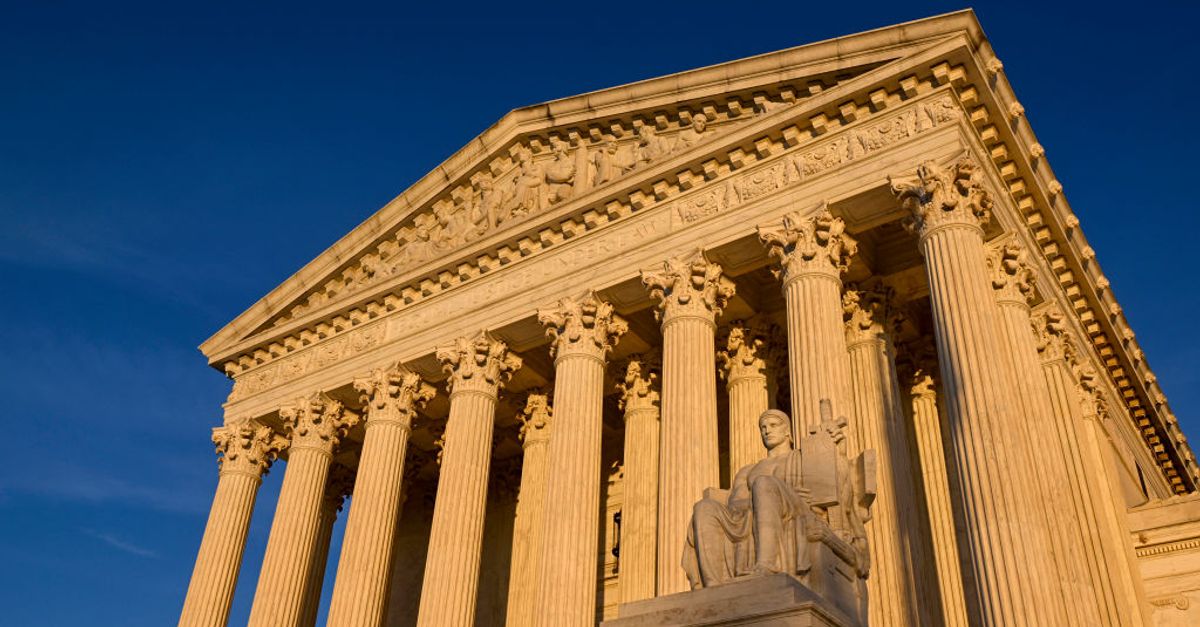
The Supreme Court is scheduled to hear oral arguments on Nov. 9 in Nielsen v. Watanabe, a case that could determine whether individuals can continue to sue federal officers for money damages over constitutional violations. The case involves a federal prisoner, Kekai Watanabe, who alleges a staff nurse, Francis Nielsen, denied him medical care for a broken tailbone. Nielsen has asked the court to overrule the 1971 precedent that allows such lawsuits, known as Bivens v. Six Unknown Named Agents of the Federal Bureau of Narcotics.
Under current federal law, 42 U.S.C. Section 1983 allows citizens to sue state and local officers for constitutional violations, but no equivalent statute exists for federal officers. Since the Bivens ruling, the Supreme Court has permitted some lawsuits against federal agents directly under the Constitution. However, since 1980, the court has declined to extend this remedy 11 times, stating that creating such causes of action is primarily a task for Congress.
In the upcoming case, Nielsen argues that Bivens suits are strongly disfavored and that Congress, not the judiciary, should create legal remedies. Watanabe contends his case falls squarely within existing precedent, specifically the 1980 case Carlson v. Green, which allowed a suit for Eighth Amendment violations involving prison medical care. Meanwhile, the American Civil Liberties Union (ACLU) of the District of Columbia is advocating for local legislation to allow federal officers to be sued in D.C. Superior Court, citing difficulties in pursuing federal claims.
The scale of this issue is reflected in the diverse range of federal agencies active across the United States and specifically in Washington, D.C. While the exact number of Bivens claims filed annually was not reported, the ACLU notes that federal agents operate in every state and have been involved in fatal shootings in Minnesota, Maine, and Texas. For an individual plaintiff, the impact of a total Bivens reversal would mean a "damages or nothing" scenario, as state law remedies are often unavailable or inadequate for addressing federal constitutional interests. A decision to eliminate these suits would set a precedent that federal officers cannot be held civilly liable for constitutional breaches unless Congress passes a specific law authorizing it.
The knock-on effects could lead to a shift in how constitutional rights are enforced at the local level. Because suing federal agents is difficult, organizations like the ACLU are urging the D.C. Council and state legislatures in Maryland, Connecticut, New York, Massachusetts, Rhode Island, and Vermont to pass laws allowing federal officers to be sued in state or local courts. What happens next depends on the Supreme Court's ruling following the Nov. 9 oral arguments. The court could affirm the right to sue, limit it to cases involving death, or overrule the Bivens doctrine entirely, which would shift the responsibility for creating accountability mechanisms solely to Congress.