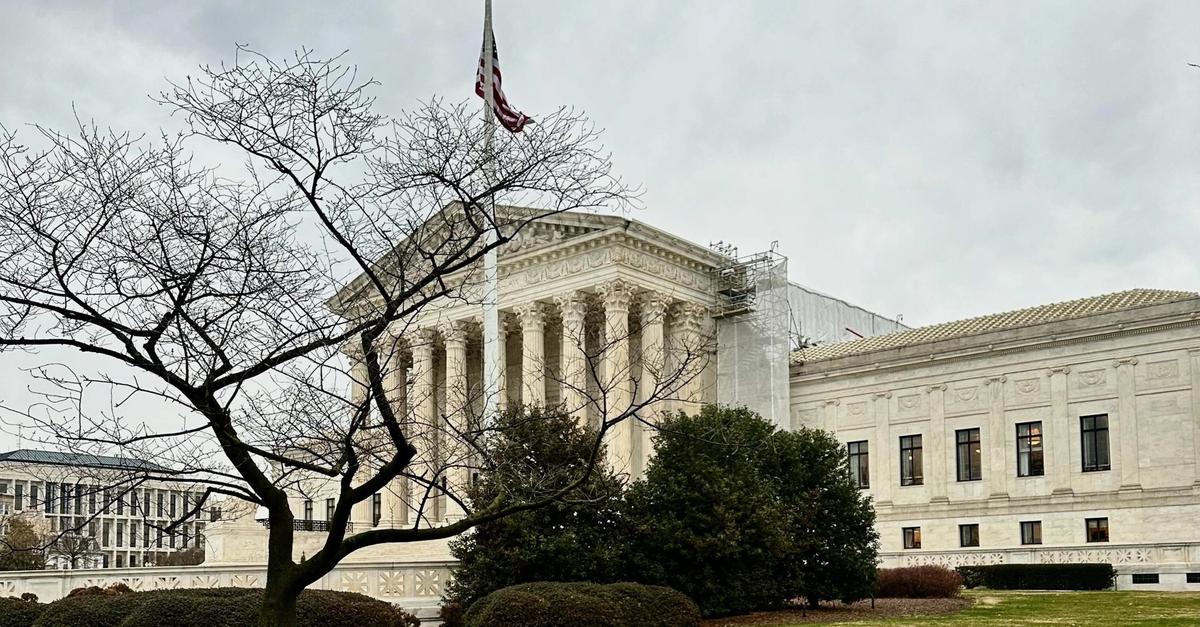
The U.S. Supreme Court is scheduled to hear five arguments related to criminal law and related civil procedures throughout November 2026. These cases cover a range of legal issues, including the scope of habeas corpus, federal official liability, and the eligibility requirements for noncitizens seeking permanent residency.
These upcoming arguments follow the conclusion of the 2025-26 term, during which the court issued several notable rulings. These included *Fernandez v. United States*, which determined that challenges to prior convictions must be pursued through habeas corpus rather than compassionate relief statutes, and *Hunter v. United States*, which held that appellate courts may ignore appeal waivers if a "miscarriage of justice" is identified.
Among the November cases, *Nielsen v. Watanabe* on November 9 will address whether to overrule or further limit *Bivens v. Six Unknown Federal Narcotics Agents*, a 1970 precedent allowing individuals to sue federal officials for constitutional violations. On November 2, the court will hear *Maxwell v. Dinis*, which questions if transfer to a "halfway house" constitutes custody for habeas corpus purposes. On November 4, *Guerrero v. Johnson* will examine the "previously unavailable" standard for successive habeas petitions, while *Wassily v. Blanche* on November 30 will clarify residency eligibility for noncitizens whose asylum was revoked. The court will also hear *Younge v. Fulton Judicial Circuit*, a pregnancy discrimination suit involving a fired prosecutor.
The scale of the *Nielsen v. Watanabe* case is particularly significant for federal workers and those in their custody. If the court overrules the *Bivens* precedent, individuals who allege they were harmed by federal agents—such as the prison paramedic in the case accused of denying medical care for a spinal injury—would lose their primary path to sue for financial damages under the Constitution. Some justices have suggested that without a congressional statute approving such claims, *Bivens* violates the constitutional separation of powers.
What happens next: Oral arguments for these cases begin on November 2, 2026, with *Maxwell* and *Younge*. Following these, the court will hear *Guerrero* on November 4 and *Nielsen* on November 9. The month's arguments will conclude with *Wassily* on November 30. Looking ahead to December, the court is scheduled to hear cases involving Second Amendment rights regarding AR-15 rifles and civil forfeiture disputes on December 1 and 2, 2026. Decisions for the November cases are typically released in the months following arguments before the term ends in early summer.