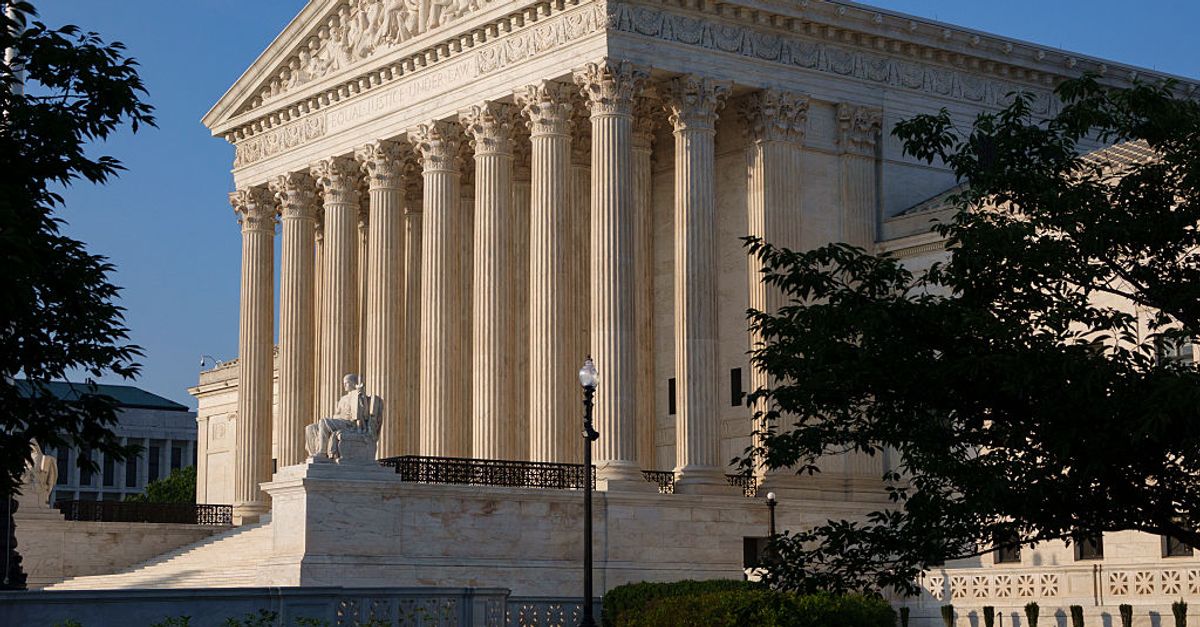
The U.S. Supreme Court on Tuesday, Oct. 13, 2026, agreed to review three new cases for its 2026-27 term, including a dispute over access to records from the Department of Government Efficiency (DOGE) and a case defining "material support" for terrorism in immigration law. The court also accepted a case regarding the standards for federal prisoners to appeal denials of post-conviction relief when circuit courts are divided on the law.
The DOGE litigation, U.S. Doge Service v. U.S. District Court for the District of Columbia, involves a Freedom of Information Act (FOIA) request by the watchdog group Citizens for Responsibility and Ethics in Washington (CREW). CREW is seeking financial disclosures and internal communications to determine if the advisory body, created by President Donald Trump in January 2025, qualifies as a federal agency subject to transparency laws. A lower court judge previously granted discovery requests for employee lists and deposition testimony, leading the government to argue that such orders violate the separation of powers by intruding on confidential presidential advice.
In Blanche v. Ozurumba, the court will clarify if an immigrant is ineligible for asylum for providing "material support" to a terrorist group if that support consisted of non-violent labor. The case involves Izuchukwu Ozurumba, a Nigerian citizen who worked as a cook for a group. The U.S. Court of Appeals for the 4th Circuit ruled in September 2025 that general support helping an organization operate day-to-day was not "material" unless it was sufficiently substantial to help the organization accomplish terrorist activities. Attorney General Todd Blanche argued to the Supreme Court that the law "does not distinguish between guns and butter" and applies to anyone helping a terrorist organization function.
The ruling in the DOGE case will affect the transparency obligations of presidential advisory bodies and the legal rights of groups to access government data. If the court rules in favor of the administration, it could limit the ability of the public to use FOIA to obtain information about the inner workings of specialized executive units. Conversely, a ruling for CREW could result in the public disclosure of financial interests and internal recommendations involving DOGE personnel, who were tasked with modernizing technology and reducing the size of the federal government starting in 2025.
The immigration ruling will affect individuals seeking asylum or other immigration benefits who have had contact with groups designated as terrorist organizations. The Department of Justice argued that a broad interpretation is necessary to prevent those with ties to terrorism from entering the U.S.
Federal prisoners seeking post-conviction relief are affected by Berry v. United States. This case addresses whether a prisoner can appeal a ruling when their specific circuit's precedent blocks them, but other regional circuits would allow the claim to proceed. A decision will resolve a split between federal circuits over certificates of appealability. Following the Tuesday grants, the court is expected to schedule oral arguments for these cases in the coming months. In separate actions on Oct. 13, the court declined to hear a double jeopardy challenge regarding a man convicted twice for being in the U.S. after deportation. The court is scheduled to consider cases regarding magnet school admissions and home distilleries at an Oct. 16 conference.