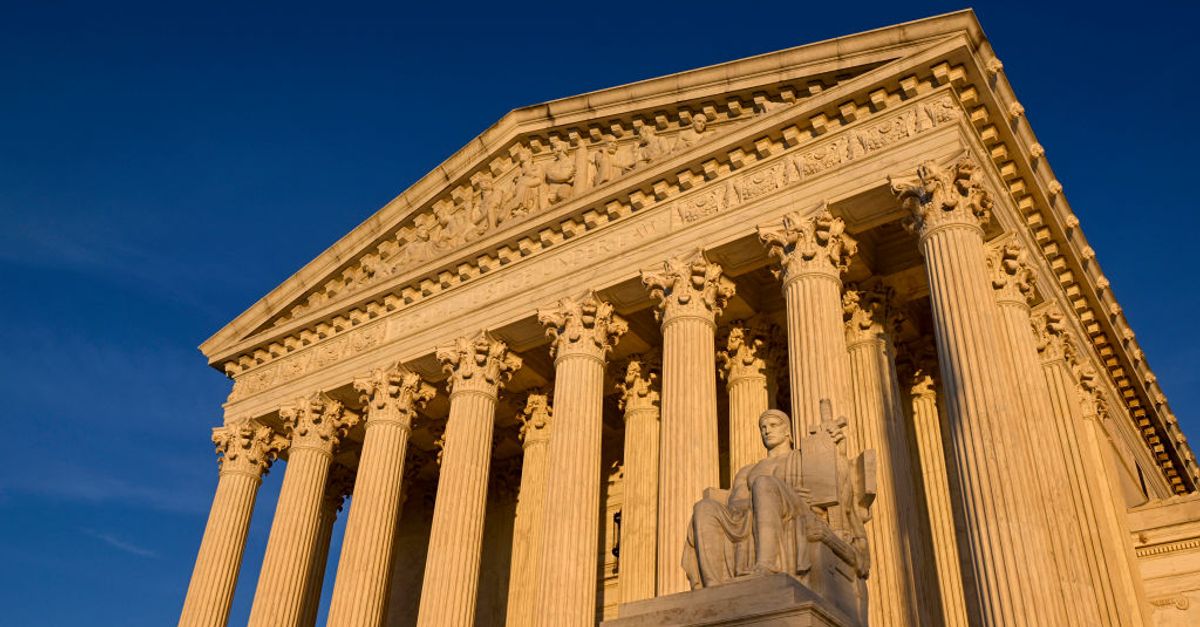
On October 5, 2026, the U.S. Supreme Court is scheduled to hear oral arguments in *Suncor Energy, Inc. v. County Commissioners of Boulder County*. The case addresses whether federal law preempts state-law claims brought against energy companies for damages allegedly caused by climate change. The outcome will determine if municipalities can use state courts and state tort laws to seek compensation for infrastructure costs and environmental damages attributed to fossil fuel production and promotion.
The lawsuit was originally filed in Colorado state court by the city of Boulder and the county commissioners of Boulder County against Exxon Mobil Corporation and three Suncor Energy entities. The plaintiffs alleged the companies knowingly contributed to climate change while misleading the public about the risks of their products, resulting in millions of dollars in costs for wildfire protection, flooding, and drought. The Colorado Supreme Court previously ruled that the claims were not preempted by the federal Clean Air Act, allowing the case to proceed in state court before the U.S. Supreme Court granted review.
Suncor and Exxon Mobil argue that the U.S. Constitution and federal law supersede state authority in matters of interstate and international greenhouse gas emissions. They contend that the Constitution denies states the power to regulate pollution of an \"interstate nature\" and that allowing such lawsuits would infringe on the federal government’s authority over foreign affairs. Conversely, the local governments argue that the Clean Air Act contains \"savings clauses\" that preserve stricter state standards and common-law rights, and they note that the Environmental Protection Agency (EPA) has recently maintained it lacks the authority to directly regulate some greenhouse gas emissions.
For residents and taxpayers in the affected districts, a ruling for the energy companies would mean that the costs for climate-related infrastructure—such as flood mitigation and wildfire prevention—would likely remain a local public expense rather than being shifted to fuel producers. A ruling for the local governments would allow these cases to proceed to trial in state courts, where companies could face significant financial liability. Legal experts noted that the case also touches on the \"doctrine of preemption,\" which determines when a federal law, like the Clean Air Act, takes precedence over state regulations. A broad ruling could impact how other state environmental and safety laws are applied when they overlap with federal statutes.
The Supreme Court is also considering whether it has the statutory and Article III jurisdiction to hear the case at this stage, as the decision being appealed is interlocutory, meaning it was not a final judgment on the merits. If the court determines it lacks jurisdiction, it could dismiss the petition for certiorari as \"improvidently granted\" without ruling on the preemption issue. The Biden administration, through the United States as amicus curiae (friend of the court), filed a brief supporting the energy companies' position. A decision is expected following the October argument, though no specific date for the ruling has been set.