The Plain Record

Neutral daily news — clear headlines, complete facts.

Supreme Court

Supreme Court to Weigh Rules for Raising Unpled Defenses in Civil Lawsuits

The Supreme Court will decide if defendants may use unpled affirmative defenses to seek summary judgment if the delay does not prejudice the plaintiff.

Background: How the Supreme Court takes a case

Published October 28, 2026 at 10:00 AM EDT

The short answer

The Supreme Court will decide if defendants may use unpled affirmative defenses to seek summary judgment if the delay does not prejudice the plaintiff. The U.S. Supreme Court is scheduled to hear oral arguments on November 2 in a case determining whether a defendant can win a lawsuit using a legal defense they failed to include in their initial court filings. The case, Younge v.

Supreme Court to Weigh Rules for Raising Unpled Defenses in Civil Lawsuits

The Facts

Who
Jasmine Younge and the Fulton Judicial Circuit District Attorney’s Office.
What
U.S. Supreme Court case on unpled affirmative defenses and summary judgment.
When
November 2, 2026
Where
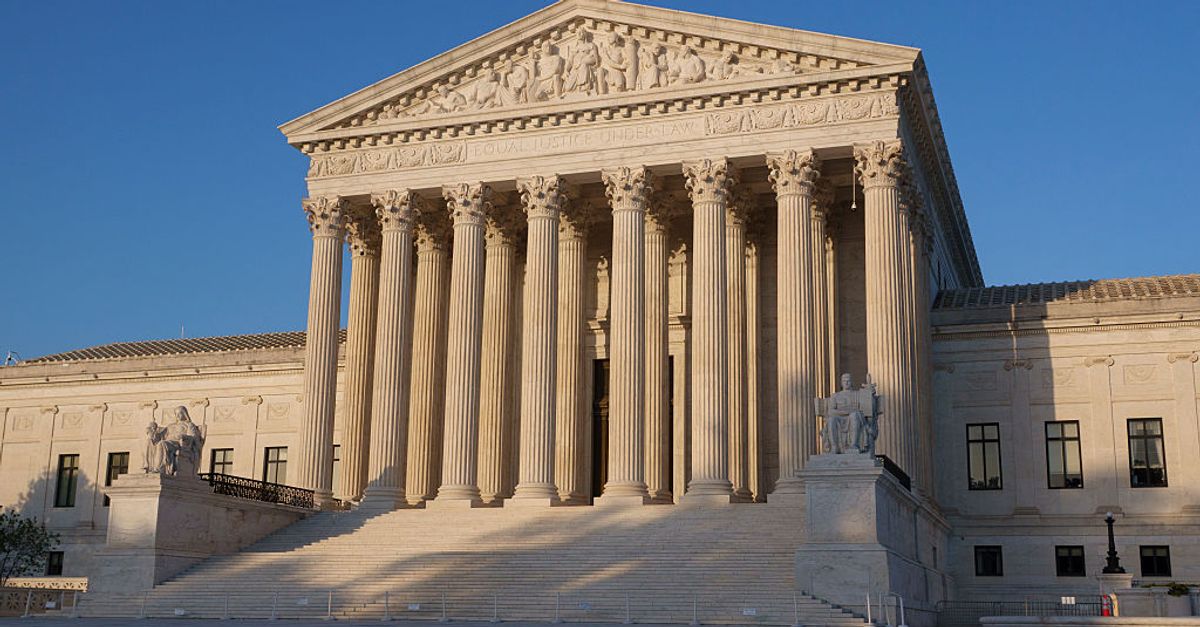
U.S. Supreme Court, Washington, D.C.
Why
To resolve whether an affirmative defense may be asserted as a basis for summary judgment if not presented earlier in a pleading.

The U.S. Supreme Court is scheduled to hear oral arguments on November 2 in a case determining whether a defendant can win a lawsuit using a legal defense they failed to include in their initial court filings. The case, Younge v. Fulton Judicial Circuit District Attorney’s Office, Georgia, centers on a dispute over the Federal Rules of Civil Procedure, which govern how civil lawsuits are managed in federal court.

The case originated in 2019 when Jasmine Younge sued the Fulton County District Attorney’s Office for damages, alleging she was fired by then-District Attorney Paul Howard shortly after disclosing she was pregnant. Younge claimed the termination violated Title VII of the Civil Rights Act of 1964. During the litigation, the DA’s office moved for summary judgment—a request for the court to rule immediately without a trial—based on the "personal-staff exemption," which excludes certain employees from Title VII protections.

The DA's office had not included this specific defense in its initial answer to the lawsuit, and discovery in the case had largely closed in January 2022. Younge argued the defense should be waived because it was raised too late. However, a federal magistrate, a district court, and the U.S. Court of Appeals for the 11th Circuit all ruled in favor of the DA's office. The 11th Circuit applied a "prejudice" standard, concluding that since Younge could not show she was harmed by the late addition of the defense, it was permissible.

The scale of the impact involves thousands of federal civil cases filed annually across the United States. If the Court rules for Younge, defendants who miss a pleading deadline may lose the right to use a valid legal defense, potentially leading to more trials and higher settlement costs. Conversely, a ruling for the DA's office would solidify a standard where judges can overlook missing paperwork as long as it does not "prejudice" the other side. For a typical litigant, this could mean the difference between a case being dismissed before trial based on a late-breaking legal argument or proceeding to a jury because the opponent failed to follow filing rules.

The case involves the interaction of multiple Federal Rules of Civil Procedure, including Rule 8, which says a defendant must state affirmative defenses, and Rule 15, which covers amending those statements. The DA's office argues that Rule 61, the "harmless error" rule, requires courts to disregard defects that do not affect a party's substantial rights. Younge argues that allowing unpled defenses creates an environment that undermines the mandatory nature of the rules. A decision is expected by the end of the Supreme Court's term in mid-2027.

Timeline of what happened

Key dates and decisions, in the order they occurred.

  1. 2019

    Younge files Title VII civil rights lawsuit against DA's office

  2. July 2019

    Jasmine Younge fired by Fulton County DA Paul Howard

  3. January 2022

    Discovery period for the lawsuit closes

  4. March 2022

    DA's office moves for summary judgment using unpled defense

  5. March 2026

    Supreme Court agrees to hear the case

  6. November 2, 2026

    Scheduled date for Supreme Court oral arguments

Summaries are written by The Plain Record to state the facts of a story plainly and without political slant. Drafted with AI assistance and checked against the source record before publication. See how we report, or report a correction.

← Back to the front page

Questions readers ask

What happened: Supreme Court to Weigh Rules for Raising Unpled Defenses in Civil Lawsuits?

The U.S. Supreme Court is scheduled to hear oral arguments on November 2 in a case determining whether a defendant can win a lawsuit using a legal defense they failed to include in their initial court filings. The case, Younge v. Fulton Judicial Circuit District Attorney’s Office, Georgia, centers on a dispute over the Federal Rules of Civil Procedure, which govern how civil lawsuits are managed in federal court.

Who is involved?

Jasmine Younge and the Fulton Judicial Circuit District Attorney’s Office.

When did this happen?

November 2, 2026

Where did this happen?

U.S. Supreme Court, Washington, D.C.

Why does this matter?

To resolve whether an affirmative defense may be asserted as a basis for summary judgment if not presented earlier in a pleading.