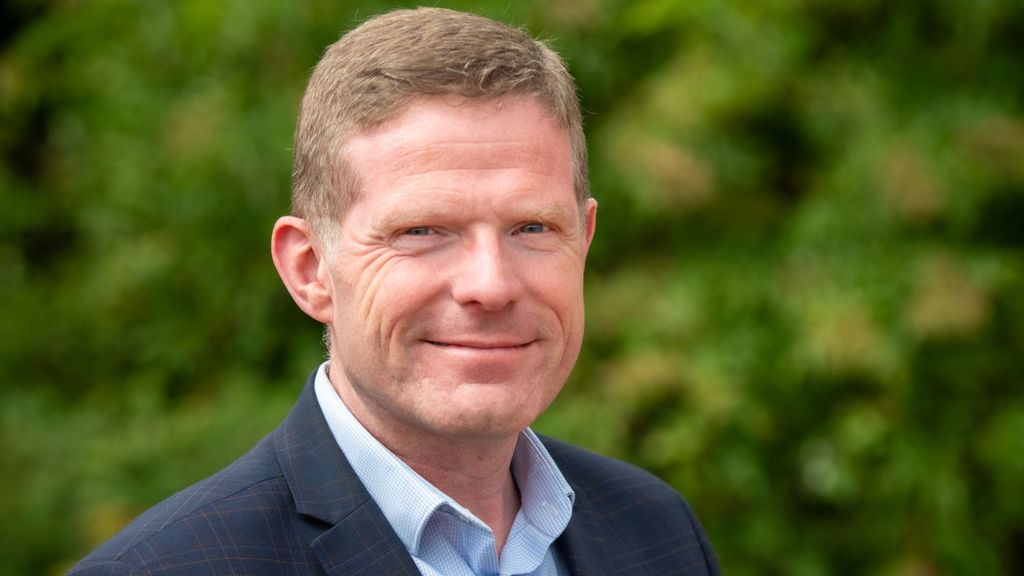
Surgeons at University College London Hospital have performed the world’s first brain surgery assisted by live artificial intelligence (AI) to remove a pituitary gland tumour. The patient, 48-year-old Rhys Hibbert, underwent the procedure to remove an 11-millimetre non-cancerous growth that was pressing against his optic nerves and threatening his vision. The AI tool provided a real-time analysis of the surgical video feed to help the medical team navigate around critical blood vessels and nerves.
Mr. Hibbert, a customer services manager from Bedfordshire, had been experiencing fainting spells, seizures, peripheral vision loss, and severe fatigue for 18 months prior to the operation. The tumour was located on the pituitary gland at the base of the skull, an area positioned near the carotid arteries and optic nerves. Surgeons noted that anatomy in this region varies between individuals, which can make identifying the safest extraction points difficult during traditional surgery.
During the procedure, an endoscope was inserted through the nose to reach the base of the skull. A second screen displayed the AI tool's analysis, which tracked surgical instruments and highlighted the areas where vital vessels and nerves were most likely to be located. The system was trained on hundreds of previous pituitary tumour removal videos, allowing it to recognize anatomical structures that may be hidden behind bone or membrane. Prof. Hani Marcus, who assisted in the surgery, stated that the tool acts as an "expert second pair of eyes" but emphasized that surgeons retain full control of the operation.
The scale of the technology's application is currently limited to this initial case, but the researchers are now working toward a larger clinical trial. The average UK surgeon performs 10 to 20 of these specific operations annually. If the technology is adopted more widely, it could change the standard of care for these procedures by moving from reliance on pre-operative scans to real-time anatomical recognition. Health Innovation Minister James Frith stated the government would continue to fund such research while maintaining safeguards for AI safety.
The project is funded by Google and the National Institute for Health and Care Research. The long-term goal for the researchers is to develop a system that functions as a "surgical ChatGPT," providing an advisory resource that surgeons can consult or disregard during operations. Further clinical trials will determine if the tool consistently reduces complication rates or improves the thoroughness of tumour removals across a broader population of patients. No specific dates for the larger trial or wider regulatory approval have been reported.