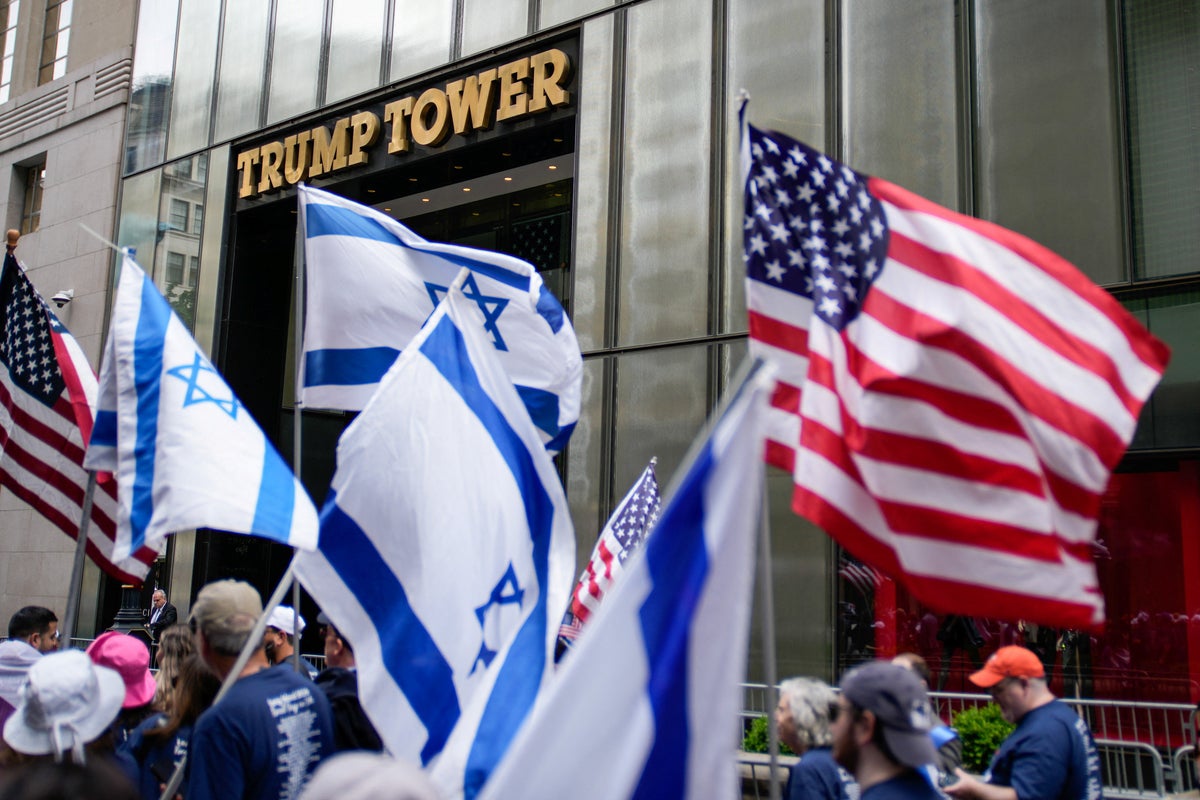
New data from an AP-NORC survey indicates a widening gap between younger Jewish Americans and the state of Israel. The poll finds that younger generations of Jewish Americans place significantly less importance on supporting Israel as a core component of their identity compared to older generations.
This shift comes amid a five-month conflict involving Israel, Hamas, and Iran. Following an October 7, 2023, attack by Hamas-led militants that killed 1,200 people, Israel launched a military campaign in Gaza. According to the Gaza Health Ministry, that campaign has resulted in over 73,000 deaths. The conflict has led to widespread demonstrations on U.S. university campuses and strained traditional diplomatic alliances.
The AP-NORC survey of 1,022 Jewish adults found that approximately 40% of religious Jewish adults under age 45 view supporting Israel as "extremely" or "very" central to their identity, compared to about 50% of those over 45. Among Jewish adults without a religious affiliation, only 20% believe Israel's military operations in Gaza are justified, while roughly 50% of religious Jewish adults support the actions.
For young Jewish Americans, the change is noticeable in daily social and academic environments, where some report feeling pressure regarding their identity while others actively participate in anti-war demonstrations. The survey also noted that 60% of Jewish adults now view anti-Jewish bias as a severe issue in the U.S., highlighting a dual pressure of domestic safety concerns and international political disagreement. Organizations like Taglit-Birthright Israel, which has sent one million young adults on trips since 2000, report that these tensions have altered the way participants experience the country and have decreased trip attendance since late 2023.
The knock-on effects include a strategic pivot by Israeli state institutions and faith-based groups. The Ministry of Diaspora Affairs and the Reform movement are expanding counselor exchange programs and youth trips to counter what Lesley Sachs of the Israel Movement for Reform and Progressive Judaism calls a "failure" to maintain the historical bond. This outreach specifically targets the North American Reform movement, the largest Jewish branch in the region. The next steps involve ongoing diplomatic discussions between U.S. and Israeli leadership, while exchange programs continue their efforts to foster one-on-one connections during the northern hemisphere summer camp season.