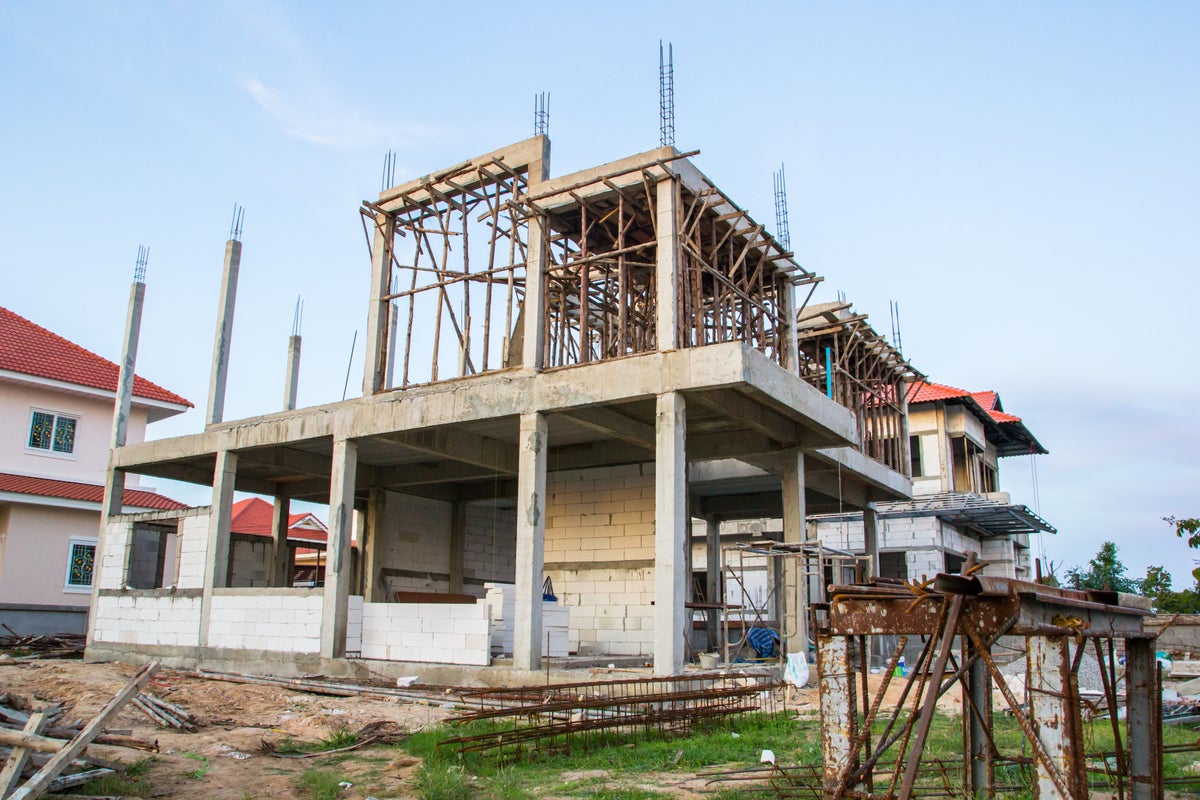
A new survey indicates that two-thirds of construction contractors believe enforcement actions by U.S. Immigration and Customs Enforcement (ICE) have negatively impacted the housing market. According to the poll by John Burns Research & Consulting, builders reported increased difficulty finding laborers, leading to delays in residential construction projects.
The number of builders citing Department of Homeland Security (DHS) actions as a source of labor problems has risen throughout 2026. In September 2025, 13 percent of contractors reported such issues, a figure that grew to 23 percent in March 2026 before reaching the current two-thirds majority. While labor shortages were previously concentrated in regions like South Texas, the report suggests a broader impact across the sector following expanded enforcement efforts this summer.
In Jacksonville, Florida, some contractors reported losing up to 70 percent of their workforce. Scott Brannock, president of Jacksonville-based Tidewater Homes, stated that national builders are missing financial projections and losing hundreds of thousands of dollars because completed foundation slabs are sitting idle without framing crews. Brannock noted that wages for framers in his area have risen from $20 to $45 per hour, increasing the framing labor cost for a 2,500-square-foot house from $10,000 to $28,000.
Supporters of the administration's immigration policies argue the enforcement actions will benefit the market by reducing competition for properties, potentially lowering consumer housing costs. Matthew O’Brien of the Federation for American Immigration Reform told The Wall Street Journal that immigration laws should be enforced regardless of the labor preferences of construction companies. A DHS spokesperson stated that worksite enforcement protects economic stability by targeting illegal employment networks and preventing identity theft and Social Security fraud.
Individuals currently seeking to buy or build a home will notice these changes through higher sale prices and construction delays, as builders report projects standing still due to a lack of crews. Beyond the construction sector, the agricultural industry in states like California faces similar labor pressures, which economists suggest could eventually affect the food supply. Additionally, the construction industry is competing for specialized workers, such as electricians, who are being drawn away by higher wages in the expanding data center sector.
The DHS has stated it will continue its focus on worksite enforcement to protect American workers and national security. Contractors and industry associations indicate they are adjusting financial projections to account for these rising costs and manpower shortfalls. No specific dates for future policy changes or legislative votes were reported, but the DHS confirmed that operations targeting illegal employment networks remain a central component of its current strategy.