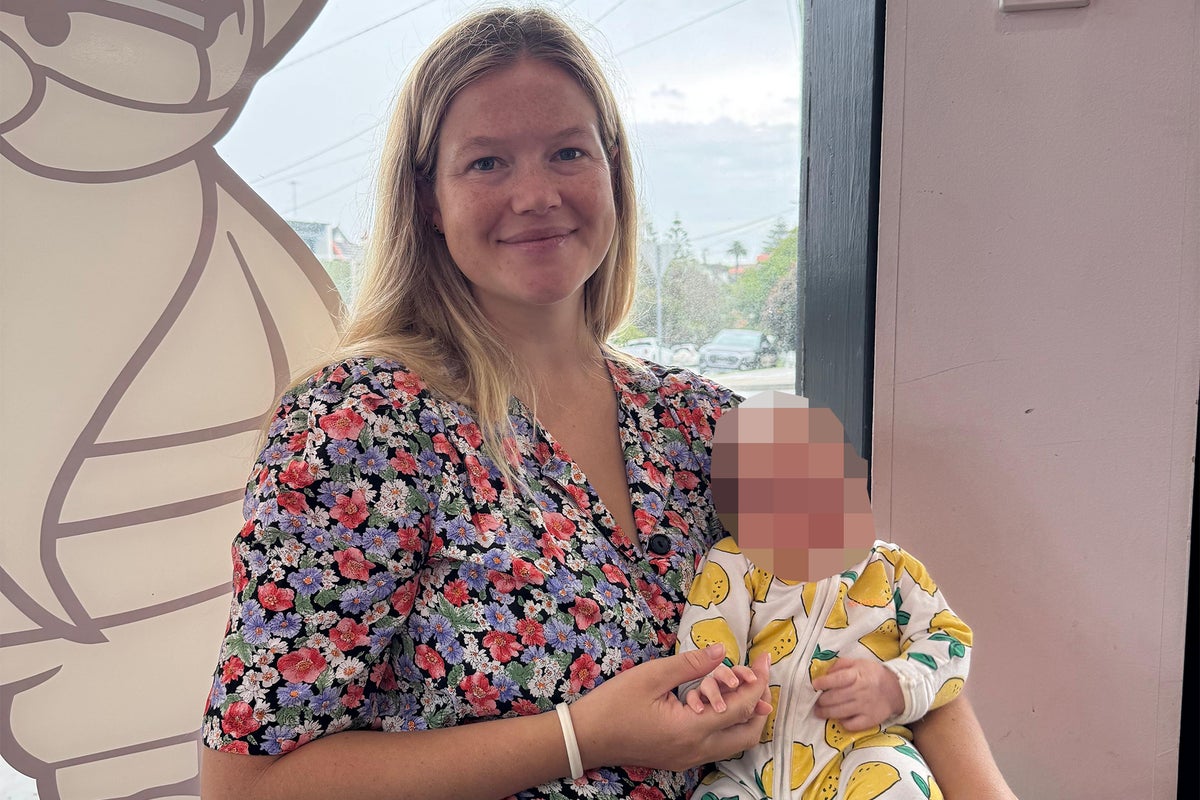
Leah Stewart, a 34-year-old schoolteacher who lost an arm in a shark attack in June, issued her first public remarks regarding her recovery and the incident. In an update posted to her GoFundMe page and an interview with Nine news, Stewart described the struggle for survival and her transition toward independent living following several surgeries and a period in a medically induced coma.
The incident occurred on June 13 at Coogee Beach in Sydney, Australia, while Stewart was swimming near the shoreline. She sustained life-threatening injuries to her arms and legs from what was identified as a suspected 3.5-meter great white shark. Following the attack, Stewart spent nearly two weeks in a medically induced coma and ultimately underwent the amputation of one arm.
Stewart credited thoughts of her young daughter, August, with providing the motivation to survive the encounter. In her interview with Nine, she recalled the physical appearance of the shark and her immediate fear that her daughter would be raised without a mother. Stewart stated that she has spent the recent weeks focusing on rehabilitation and attempting to return to a standard routine.
The family announced they are closing the public fundraiser established by Stewart’s brother, as the total collected has reached nearly A$559,000 (£293,000). Stewart indicated these funds have provided the financial security necessary for her family to remain in their home and cover the costs of prosthetics and long-term medical treatment. She described her physical progress as remarkable while noting that she still faces a significant recovery process.
A person in Stewart's position would notice a complete change in their daily professional and personal life, transitioning from a career in teaching to full-time medical rehabilitation. This includes learning to navigate daily tasks with one arm and the eventual integration of prosthetic technology, which can take months or years to master. The financial support gathered ensures that the family will not face immediate housing instability or the inability to afford specialized surgeries that may not be fully covered by standard healthcare.
The incident is part of a broader pattern of shark activity in Australia that may influence future local policy regarding beach safety and culling. In the current year, the country has recorded several fatal encounters, including a 12-year-old boy in January, a spear-fisher in Queensland in May, and a father of two in Western Australia. These events often lead to temporary beach closures, as seen at North Steyne Beach, and prompt ongoing debates among conservationists and public safety officials about how to manage shark-human interactions. Stewart's recovery continues as she moves from intensive hospital care to home-based rehabilitation.