The Plain Record

Neutral daily news — clear headlines, complete facts.

World

Swedish Election Results Show Narrow Lead for Left-Wing Bloc Amid Coalition Talks

Sweden's left-wing opposition holds a narrow lead as the Sweden Democrats party sees its vote share decline for the first time since entering parliament.

Published September 15, 2026 at 5:05 AM EDT

The short answer

Sweden's left-wing opposition holds a narrow lead as the Sweden Democrats party sees its vote share decline for the first time since entering parliament. Swedish political leaders entered negotiations to form a new government following a national election that left two major voting blocs in a narrow contest.

Swedish Election Results Show Narrow Lead for Left-Wing Bloc Amid Coalition Talks

The Facts

Who
Prime Minister Ulf Kristersson, Social Democrat leader Magdalena Andersson, and the Sweden Democrats party.
What
Swedish national election results and government formation negotiations.
When
Monday following a Sunday election
Where
Sweden
Why
The election resulted in a narrow margin between two major blocs, creating political uncertainty and the potential for lengthy coalition negotiations or a snap election.

Swedish political leaders entered negotiations to form a new government following a national election that left two major voting blocs in a narrow contest. With 95% of the votes counted as of Monday, a four-party left-wing opposition bloc held a three-seat lead in the 349-seat parliament over the right-wing alliance of Prime Minister Ulf Kristersson.

The results followed an election that saw a decrease in support for the Sweden Democrats. The party received 17.6% of the vote, down from more than 20% in the 2022 election. This marked the first time the party lost ground since it first entered parliament, moving from the country’s second-largest party to third place behind the Social Democrats and the Moderates.

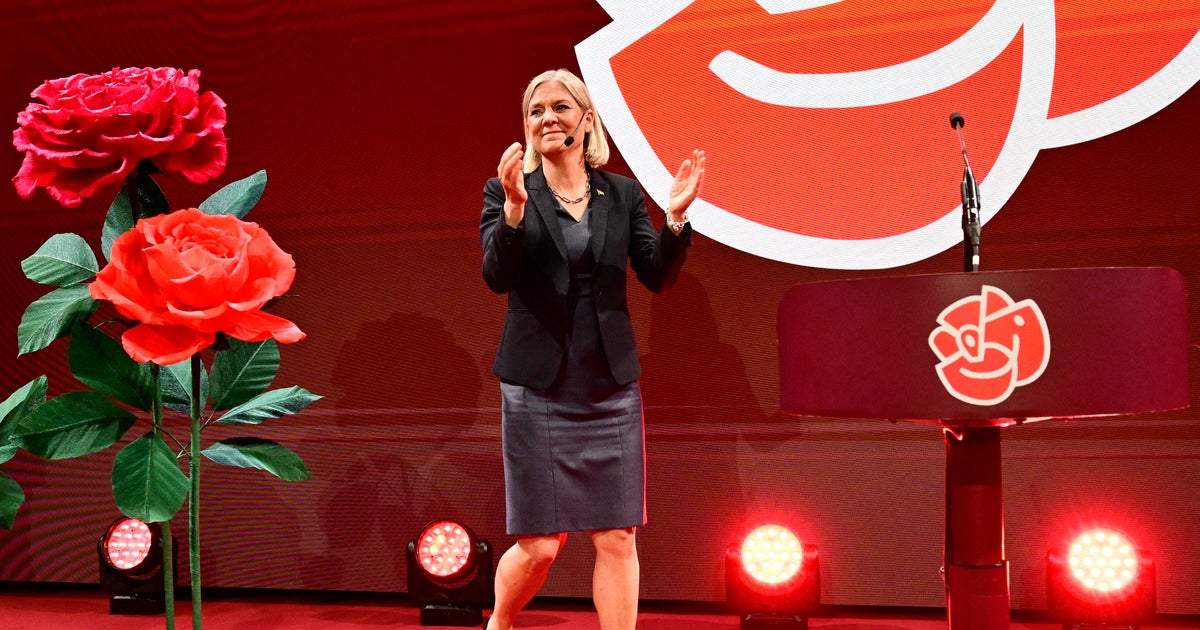
Magdalena Andersson, leader of the Social Democrats, and Prime Minister Kristersson of the Moderates both stated they intend to explore coalition options. However, both leaders face internal divisions within their respective blocs. The left-wing bloc includes the Center Party, which has stated it will not support a government that includes the Left Party, while the Left Party has stated it will only support a government if it is a member. Meanwhile, the Center Party is reportedly opposed to an alliance involving the Sweden Democrats.

The scale of the political uncertainty is highlighted by the 37 days it took to form a government in 2022 and the 134 days required in 2018. If the current blocs cannot reach an agreement by abandoning their stated "red lines," the country faces the possibility of a snap election, which would require voters to return to the polls for a new round of balloting. This process creates a period of administrative transition where major new policy initiatives are typically paused.

The outcome also signals a shift in the influence of the Sweden Democrats, who previously provided outside support for Kristersson’s minority government in exchange for influence over migration and crime policy. Because other mainstream parties have adopted more restrictive migration stances, analysts suggest the Sweden Democrats' specific leverage may be changing. The Riksdag, Sweden's parliament, is scheduled to hold its first possible vote on a new prime minister on Sept. 29. Final vote tallies, including remaining ballots, are expected to be completed by Wednesday.

Timeline of what happened

Key dates and decisions, in the order they occurred.

  1. 2010

    Sweden Democrats first enter parliament

  2. 2018

    Government formation takes 134 days following election

  3. 2022

    Sweden Democrats become second-largest party; government formed in 37 days

Summaries are written by The Plain Record to state the facts of a story plainly and without political slant. Drafted with AI assistance and checked against the source record before publication. See how we report, or report a correction.

← Back to the front page

Questions readers ask

What happened: Swedish Election Results Show Narrow Lead for Left-Wing Bloc Amid Coalition Talks?

Swedish political leaders entered negotiations to form a new government following a national election that left two major voting blocs in a narrow contest. With 95% of the votes counted as of Monday, a four-party left-wing opposition bloc held a three-seat lead in the 349-seat parliament over the right-wing alliance of Prime Minister Ulf Kristersson.

Who is involved?

Prime Minister Ulf Kristersson, Social Democrat leader Magdalena Andersson, and the Sweden Democrats party.

When did this happen?

Monday following a Sunday election

Where did this happen?

Sweden

Why does this matter?

The election resulted in a narrow margin between two major blocs, creating political uncertainty and the potential for lengthy coalition negotiations or a snap election.