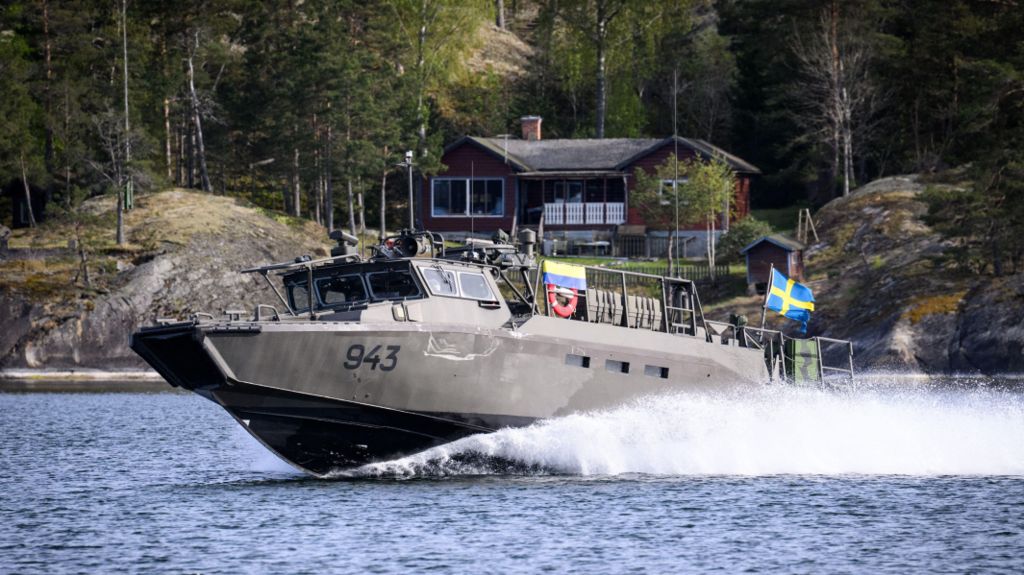
The Swedish Armed Forces have requested that the government expropriate a Russian-owned beach property located near the Muskö Naval Base. Military officials cited security concerns related to Russian drone activity and the specific ownership of the estate as the primary reasons for the seizure request.
The request follows Sweden's departure from two centuries of military non-alignment to join the North Atlantic Treaty Organization (NATO) following Russia’s invasion of Ukraine. The property, situated in the Stockholm archipelago, has reportedly been a point of concern for the military for several years.
According to Swedish reports, a businessman with ties to the Russian state has been constructing a luxury residence on the island. While the businessman is linked to the project, his wife, a dual Russian and Swedish citizen, has been the registered owner of the property since 2017. It is currently unclear if the businessman resides in Sweden.
In an official statement, the military said the acquisition of the plot would provide "unique conditions" for enhancing the defense of the naval base against drones. Chief of the Defence Staff Carl-Johan Edström stated that the nation is currently facing its "most serious security situation since the end of World War Two." Defense Minister Pål Jonson told broadcaster TV4 that the government must ensure no outside parties gain tactical advantages or visibility into sensitive military sites.
The move marks a concrete application of Sweden’s updated security posture following its entry into NATO. By citing drone warfare as a primary driver, the military is signaling a shift in how it manages land use near sensitive installations. Other property owners near strategic sites may see similar scrutiny as the military seeks to eliminate "visibility" into its operations. This sets a precedent for how the Swedish government may handle foreign-owned land that it deems a threat to national defense in the current geopolitical climate.
The next step in the process rests with the Swedish government, which must review the military's request and decide whether to proceed with the legal seizure of the land. No specific deadline for this decision or a date for the potential transfer of ownership was reported. The military noted that the development of drone technology has permanently altered the "threat landscape" for the country, suggesting that these types of requests may become more frequent as defense requirements evolve.