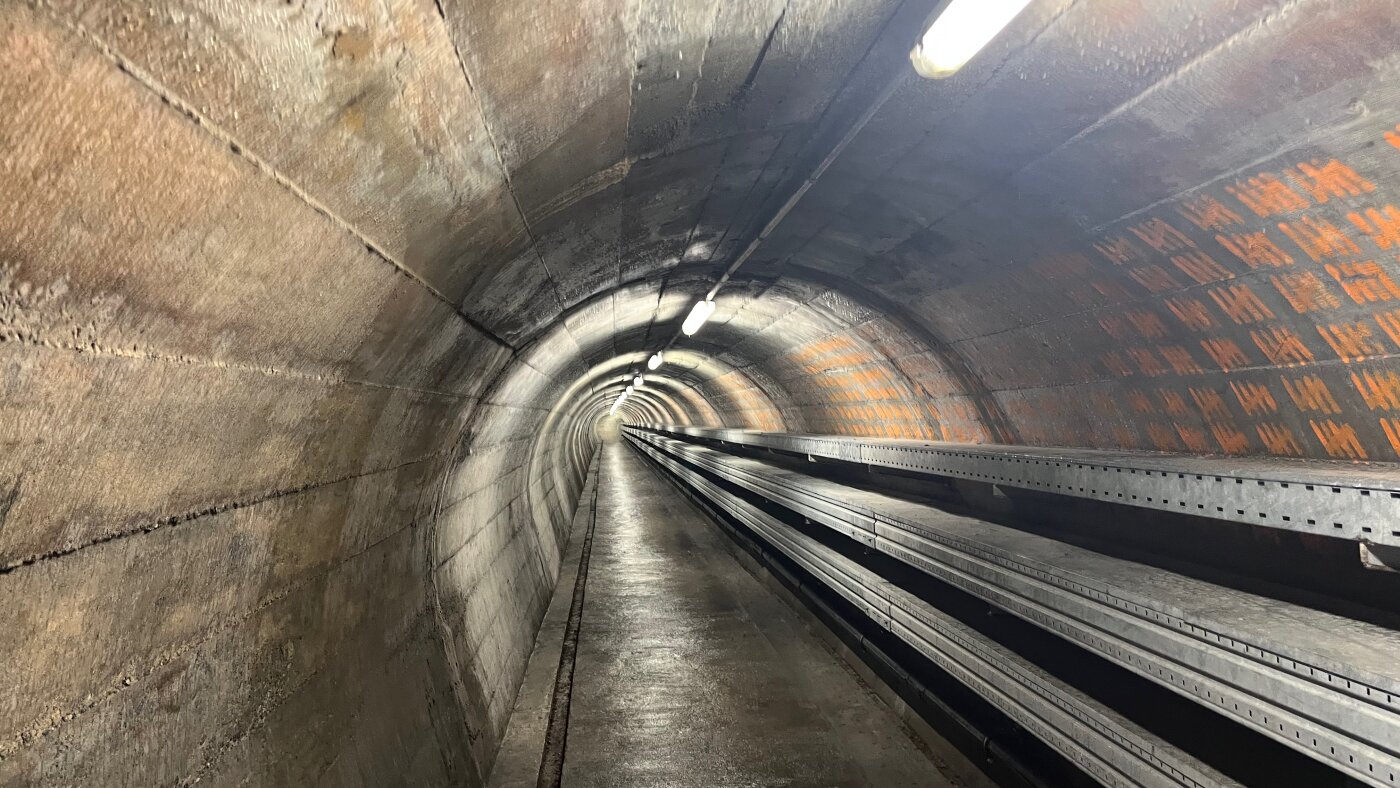
Switzerland maintains a national network of more than 370,000 nuclear bunkers, a system that guarantees a shelter space for every one of the country's 9 million citizens. While many other nations decommissioned such structures following the Cold War, the Swiss government continues to spend tens of millions of dollars annually to maintain the facilities. The network includes massive communal structures like the Sonnenberg bunker in Lucerne as well as smaller units in residential buildings.
The policy is rooted in a historical "island metaphor," which posits that the neutral nation must be prepared for chaos in surrounding countries, according to Silvia Berger Ziauddin, a history professor at the University of Bern. Although Switzerland expected it would likely avoid a direct hit during a Cold War-era nuclear conflict, officials planned for radioactive fallout from neighboring states. In 2011, the Swiss parliament debated ending the shelter system, but lawmakers voted to maintain it following the Fukushima Daiichi nuclear disaster in Japan.
Under current regulations, every residential building in Switzerland must either include a bunker with blast doors and ventilation or the developers must pay the state to maintain a nearby facility. Swiss citizens pay between $1,700 and $3,500 in upfront fees for the construction and upkeep of these spaces. In times of peace, the bunkers are often repurposed as wine cellars, saunas, or storage units. Some larger facilities, such as the Sonnenberg bunker, have also been used to house refugees, asylum seekers, and homeless populations.
On a day-to-day level, the presence of these bunkers is integrated into Swiss public life and education. Students participate in a civil defense curriculum that includes drawing shelters and spending a night in one to familiarize themselves with the environment. However, the use of these underground spaces for contemporary social needs has led to friction. Organizations assisting vulnerable groups have criticized the use of bunkers as overflow housing for asylum seekers, and some migrants have protested against living in the windowless, underground facilities originally designed for short-term emergency stays.
The ongoing maintenance of this network sets a precedent for national civil defense spending in a neutral state, prioritizing long-term readiness for conventional or nuclear emergencies. While the Sonnenberg bunker was downsized from a capacity of 20,000 to 2,000 in 2002 due to concerns about managing large crowds, the broader national requirement remains in effect. No future dates for legislative review were reported, but the government continues to allocate tens of millions of dollars each year to ensure the shelters remain functional for their intended purpose.