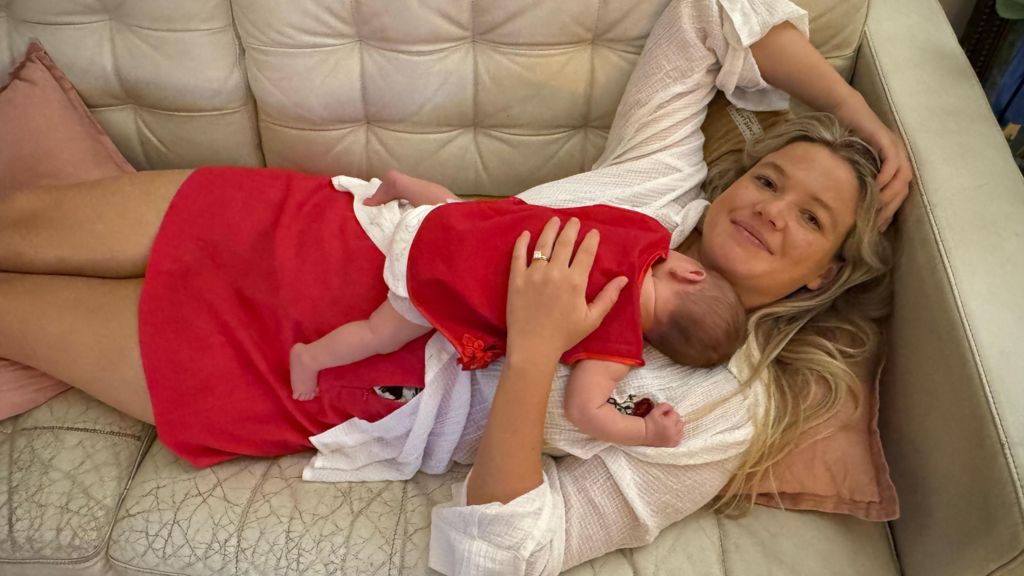
Leah Stewart, a 35-year-old Australian woman, stated on Monday that she is making progress in her recovery after a shark attack at Sydney's Coogee Beach in June. In her first public comments since the incident, Stewart described the recovery process as difficult but noted she has gained enough independence to see "light after all of this."
The attack occurred during a morning swim and resulted in multiple bites to Stewart’s arms and legs. Following the incident, the mother-of-one was placed in an induced coma and underwent several surgical procedures. Medical professionals ultimately amputated one of her arms.
An online fundraiser established to assist with her medical costs has raised more than AU$550,000 (US$394,000). Stewart announced on Monday that the fundraiser would now be closed. She stated that the funds would support her recovery at home and provide options for future medical treatments.
The incident is part of a broader trend of shark activity in Australian waters reported throughout 2026. Data from earlier in the year shows a concentrated period of four attacks within 48 hours in January, one of which resulted in the death of a 12-year-old boy. Further fatal attacks were reported in Queensland involving a man spearfishing in May, and in Western Australia where a father-of-two was killed by a four-meter shark. These events have led to renewed public discussion regarding the use of shark nets at popular beaches.
For beachgoers and residents in coastal Australia, these incidents represent a change in the perceived safety of morning swims and recreational water activities. While Stewart is now transitioning to home recovery, the long-term policy implications regarding shark mitigation strategies remain a subject of debate. There are currently no reported dates for new legislative votes or changes to shark net policies following these events. Progress on Stewart's continued medical treatment will occur privately now that the public fundraiser has closed.