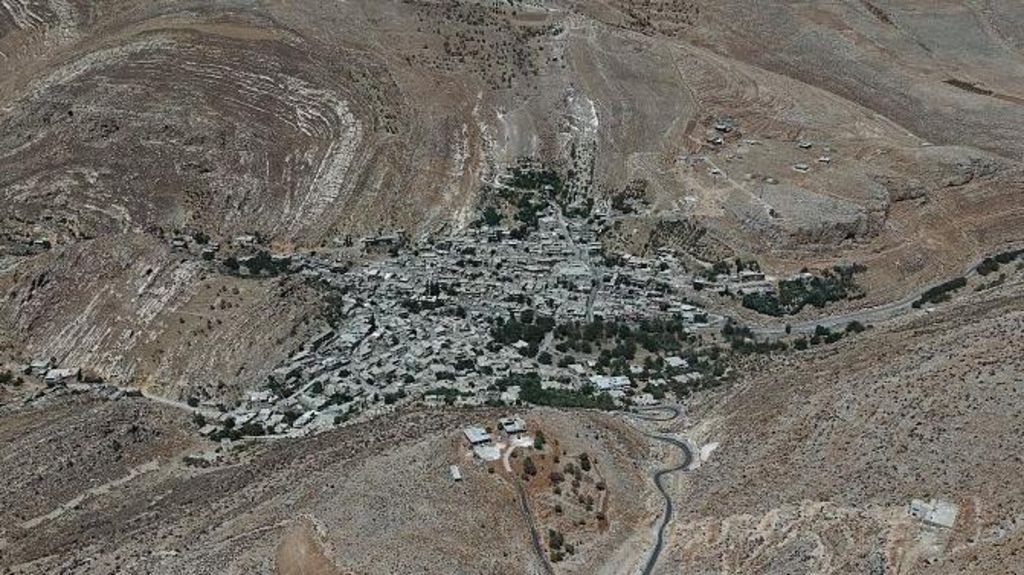
Syria has condemned an Israeli strike on the village of Beit Jinn, located southwest of the capital, Damascus. Syrian officials reported that the attack targeted a civilian vehicle and left several people injured. The Syrian government characterized the incident as a violation of its sovereignty and international law.
The Israeli military stated in a post on X, formerly Twitter, that the operation targeted a individual described as a terrorist in the final stages of preparing an immediate threat to Israeli soldiers. This event follows a separate Israeli strike earlier this week on the Abu al-Duhur military airbase near the Turkish border.
The earlier strike at Abu al-Duhur led to a rare public disagreement between Israel and the United States. The U.S. government described the airbase strike as an unnecessary escalation, while the U.S. ambassador to Turkey, Tom Barrack, suggested the move might be intended to draw Turkey into a conflict. Israeli Defense Minister Israel Katz rejected these comments as inaccurate, stating the military acted on intelligence regarding Turkish intentions.
The office of Israeli Prime Minister Benjamin Netanyahu stated that Syria had been on the verge of breaching a security status quo by allowing Turkish troops to deploy at the airbase near Aleppo. While Turkey rejected the characterization that it posed a threat, it did not confirm whether its troops had moved into the facility. The Abu al-Duhur base has not operated as a military airfield since 2013 and was previously held by rebel forces.
The scale of the conflict involves three national militaries—Syria, Israel, and Turkey—operating within Syrian territory. Israel currently occupies territory in southwest Syria that it seized following the fall of the Assad government. The tension specifically impacts the security environment for thousands of residents near the 70km border zone between Syria and Turkey. Residents in these regions face the potential for sudden aerial bombardments, which Israeli officials maintain are preemptive measures against immediate threats, while Syrian officials view them as illegal incursions.
The knock-on effects include a strain on diplomatic relations between Israel and the United States, as well as between Israel and Turkey. The U.S. government has expressed concern that these actions do not advance regional stability, which could influence future coordination between the allies. The ongoing strikes also complicate Syria's military reconstruction efforts, which are currently being supported by the Turkish military. What happens next depends on whether the status quo mentioned by the Israeli Prime Minister's office is maintained or if further troop deployments near Aleppo trigger additional responses. No specific dates for diplomatic talks or court proceedings regarding international law violations were reported.