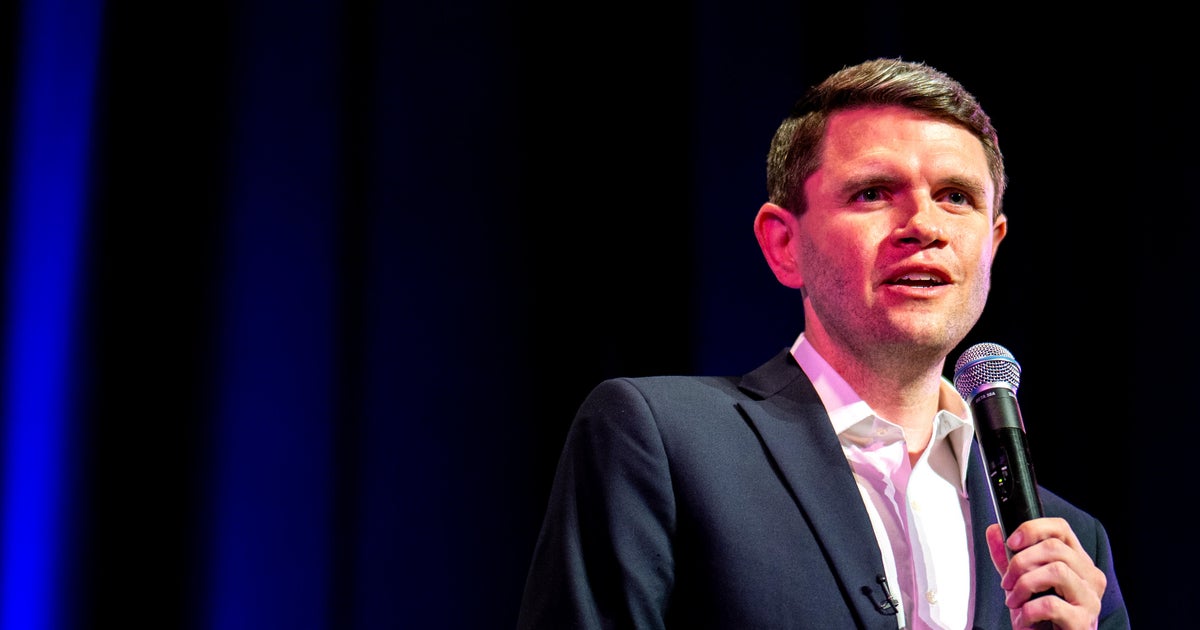
The campaign of Texas Democratic Senate candidate James Talarico shared security camera footage with media outlets to address claims regarding his recent absence from the campaign trail. The timestamped images, provided by SimpliSafe, appear to show Talarico at his home in Austin every day from Oct. 1 to Oct. 8. Talarico, who is a state representative, stated he was recovering from a case of the flu.
The documentation follows a period of nearly two weeks where Talarico was not seen in public. His last in-person event took place on Sept. 26 in Carrollton, followed by fundraisers in New York City on Sept. 28. On Sept. 30, Talarico transitioned an in-person appearance with the United States Hispanic Business Council to a virtual Q&A, telling the audience he had been diagnosed with the flu at a Dallas urgent care facility. His campaign subsequently canceled public appearances scheduled through Oct. 5.
During his absence, Republican opponent and Texas Attorney General Ken Paxton, along with Donald Trump, questioned Talarico's whereabouts. At a rally in San Antonio, Paxton noted it was "day 11" of the candidate not appearing in public. Simultaneously, unverified claims circulated on social media suggesting Talarico was receiving mental health treatment at the Lindner Center of Hope in Mason, Ohio. An audio recording posted by a social media influencer purported to show a facility employee confirming a discharge, though a man describing himself as a "right-wing provocateur" later claimed to have made the call on Saturday evening.
The Lindner Center of Hope issued a public statement clarifying that Talarico "has never received treatment" at the facility. Talarico returned to public view on Friday, Oct. 9, at the Austin City Limits Music Festival and later attended a Kasey Musgraves concert. In weekend interviews with NBC's Dallas-Fort Worth station and The Dallas Morning News, Talarico denied the rumors of a mental health crisis, calling them "a lie designed to promote a pathetic conspiracy theory" and noting that his type 1 diabetes puts him at higher risk for flu complications.
For the residents of Texas, the exchange highlights the role of digital evidence and social media in modern political contests. Voters saw a gap in public appearances by a candidate, which was filled by competing narratives: one involving a medically diagnosed illness and another involving unverified claims of a mental health crisis. The use of private home security footage to verify a candidate's location sets a precedent for how campaigns may respond to rumors regarding a candidate's private life or health status.
The concrete impact for residents is a shift in campaign focus toward personal conduct and physical location. The next steps in this contest include the continued campaign schedule leading up to the November general election. No further debates or specific public deadlines were reported following the release of the security footage, and the Lindner Center has not indicated any further investigation into the origin of the recorded phone call.