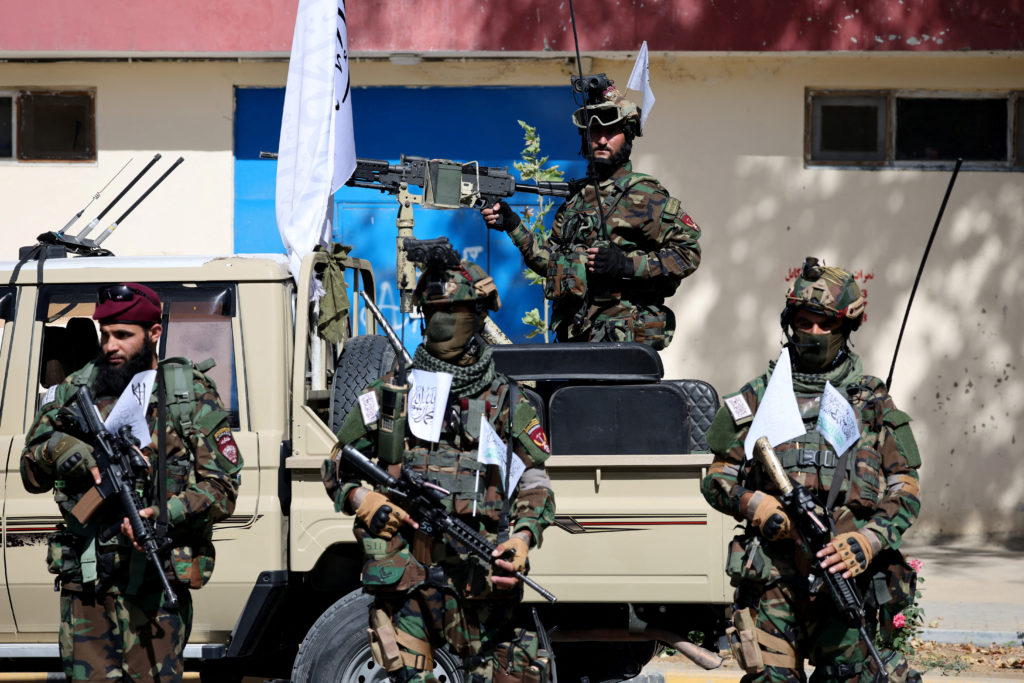
Taliban officials and citizens gathered at the Loya Jirga assembly hall in Kabul on Saturday to mark five years since the group returned to power in Afghanistan. During the event, government leaders highlighted the restoration of security and the end of decades of conflict, while a United Nations official issued a concurrent warning regarding a deteriorating human rights situation, particularly for women and girls.
The Taliban took control of the country on August 15, 2021, following the withdrawal of U.S. and NATO troops. Although the administration initially pledged that women would retain rights to education and employment, it subsequently implemented bans on girls attending school past the sixth grade and prohibited women from attending universities.
At the anniversary ceremony, Deputy Prime Minister Abdul Salam Hanafi stated that the current administration had ended external interventions and internal strife that had caused hundreds of daily casualties for decades. Foreign Minister Amir Khan Muttaqi noted that while Russia is the only nation to formally recognize the government, other countries should move toward a policy of engagement. In contrast, U.N. Special Rapporteur Richard Bennett characterized the current system as gender persecution and a crime against humanity, documenting ongoing reports of extrajudicial killings and the persecution of minorities.
The economic and health impacts extend to the general population through critical funding shortfalls. The U.N. World Food Program reports that child malnutrition has reached critical levels in one-third of Afghanistan's provinces and is expected to worsen. For an ordinary household, this translates to reduced access to essential health services and food security. While the Taliban government claims to have created jobs and delivered new infrastructure over the last five years, these developments are occurring alongside international isolation and the loss of professional female workers from the labor market.
The situation sets a precedent for how the international community handles governments that restrict fundamental rights while maintaining internal security. Richard Bennett warned that "normalizing" these policies would effectively tell victims their suffering is negotiable. As of the fifth anniversary, the government remains largely unrecognized globally. Future developments will depend on whether the Taliban administration responds to calls for inclusive education or if international bodies and donor nations continue to withhold formal recognition and increase funding for humanitarian programs like the World Food Program.
What happens next: The U.N. continues to document human rights conditions, including arbitrary arrests and torture, as part of its ongoing monitoring mandate. No specific dates for the lifting of educational bans were provided by Taliban officials during the anniversary events. The international community's stance on formal recognition remains unchanged following Foreign Minister Muttaqi's call for increased engagement.