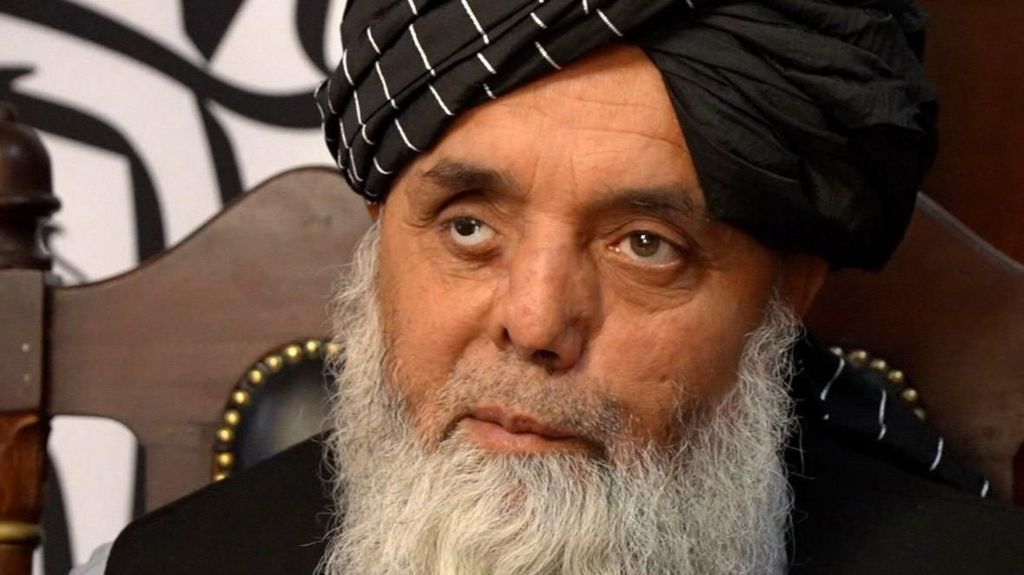
Senior officials of the Taliban government are implementing a strict interpretation of Sharia law across Afghanistan five years after the group returned to power in 2021. In documented exchanges with the BBC, officials confirmed the continuation of bans on secondary education for girls and restrictions on women’s travel, employment, and access to public spaces. The administration has also introduced new regulations, such as a ban on smartphones for certain officials and requirements for men to grow beards in specific regions.
The current administration is comprised of figures who previously led the insurgency against the U.S.-backed government. Abdullah Sarhadi, the former governor of Bamiyan and current deputy commander of a military corps in Kunduz, spent several years in U.S. detention at Guantanamo Bay. Other officials, like Habibullah Badr, previously managed suicide attack operations in Kabul before becoming the deputy head of prisons. These leaders maintain that their policies are rooted in religious law and necessary for social order.
In a meeting in northern Afghanistan, an 18-year-old woman identified as Tuba requested a divorce from Governor Sarhadi, citing physical abuse. Sarhadi encouraged her to remain in the marriage to preserve her "dignity and honour" and characterized women as "mindless." While the governor suggested a compromise where the woman would have her own room and the husband would be warned against further violence, the woman's family stated they would pursue the matter in court. Under the current legal system, obtaining a divorce is difficult for women without a husband's consent.
For the individual citizen, these policies manifest as concrete changes in personal autonomy and economic survival. Women would notice the inability to visit parks, leisure centers, or travel without a male companion, while men in regions like Kandahar face requirements regarding facial hair. In the workplace, journalists and media outlets face restrictions from the Estikhbaraat, the Taliban's intelligence organization, which prohibits content deemed contrary to Islamic rites. The ban on smartphones for officials, cited by Sarhadi as a recent change, has reportedly slowed government administrative processes.
The ongoing restrictions have created a precedent of governance based on a specific interpretation of Sharia that limits international recognition; currently, Russia is the only nation to have formally recognized the Taliban leadership. The knock-on effects include shrinking international aid and a lack of investment in infrastructure, such as the water, roads, and clinics requested by residents in rural districts. While government spokesman Zabihullah Mujahid stated that the issue of women's education remains "under discussions," no timeline or specific date for a policy change has been provided.