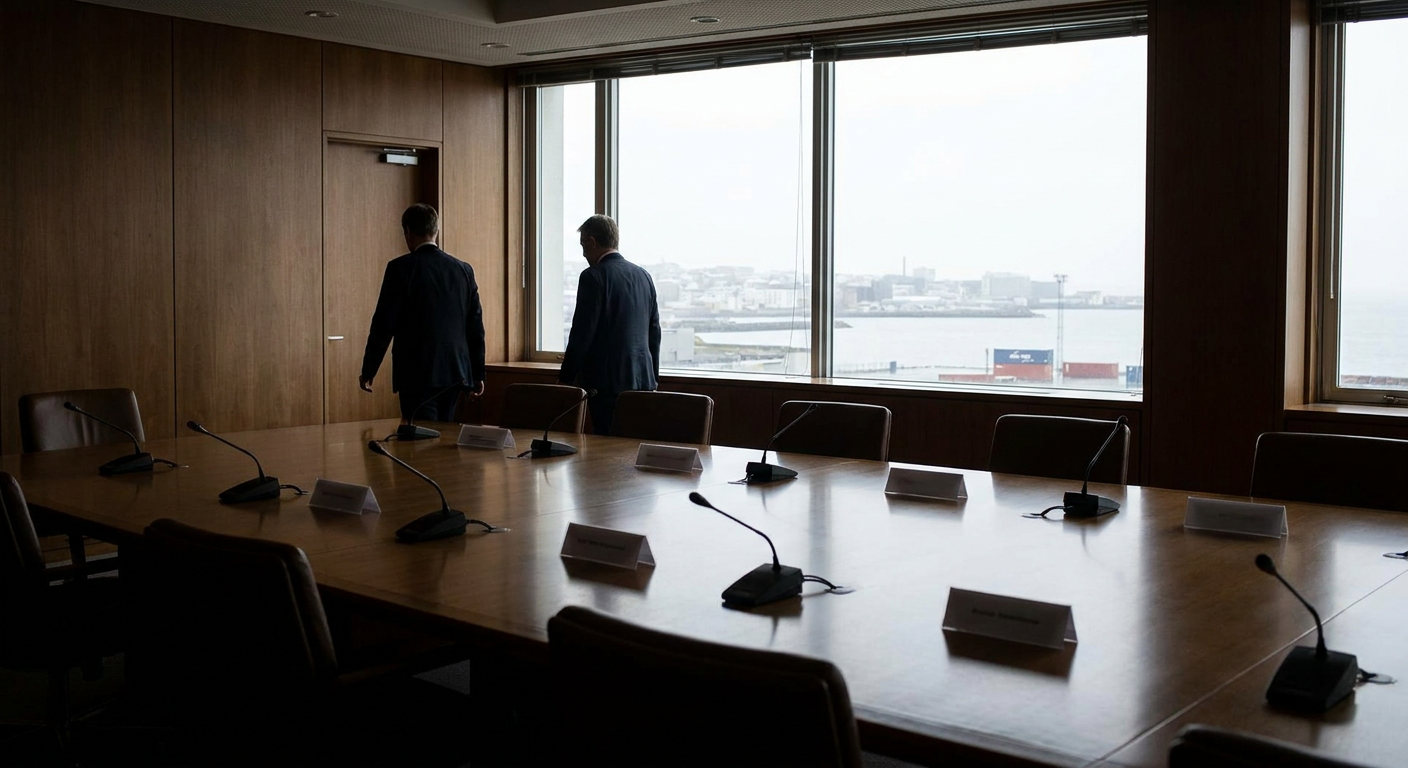
A meeting between Iranian officials and Gulf Arab states intended to discuss the reopening of the Strait of Hormuz was postponed on Monday. The Iranian Foreign Ministry stated that the delay occurred at the request of Saudi Arabia, though Saudi officials have not issued a public confirmation. The announcement follows a statement from Bahrain on Sunday indicating it would not participate in the talks, which were scheduled to take place in Oman.
The postponement comes amid a series of military escalations involving Iran, the United States, and regional groups. Iran has recently conducted strikes on U.S. military bases in Gulf countries in response to U.S. strikes. Meanwhile, Oman and Iran have been engaged in discussions for several weeks seeking an agreement to reopen the Strait of Hormuz, a critical maritime passage currently affected by the conflict.
In a separate development, Houthi rebels in Yemen captured a strategic port in the Bab al-Mandab Strait on Friday and seized additional strategic islands on Monday. The Iranian-backed group, which has been at war with Saudi Arabia since 2015, also targeted Saudi oil facilities over the past month. Over the weekend, Iranian proxies in Iraq targeted Saudi Arabia, leading to the closure of the country's East-West Pipeline on Friday.
The conflict specifically affects residents and industries in Gulf Arab states, which Alex Vatanka of the Middle East Institute describes as "collateral damage" and "economic victims" of the U.S.-Iran confrontation. These nations, including Bahrain, Oman, and Saudi Arabia, rely on maritime security for their primary source of national income. The postponement of diplomacy means these states remain on what Vatanka calls Iran's "target list," maintaining the threat to their domestic oil facilities and commercial shipping vessels.
The lack of a diplomatic resolution has immediate consequences for maritime safety. Over the weekend, one person was killed when an Iranian commercial vessel was struck in the Strait of Hormuz; the U.S. military, which has struck Iranian ships previously, did not comment. As the Houthi rebels continue firing drones and missiles toward Saudi Arabia, the regional instability sets a precedent where non-state actors can leverage global energy choke points to further their own goals. No new date for the postponed talks has been announced.